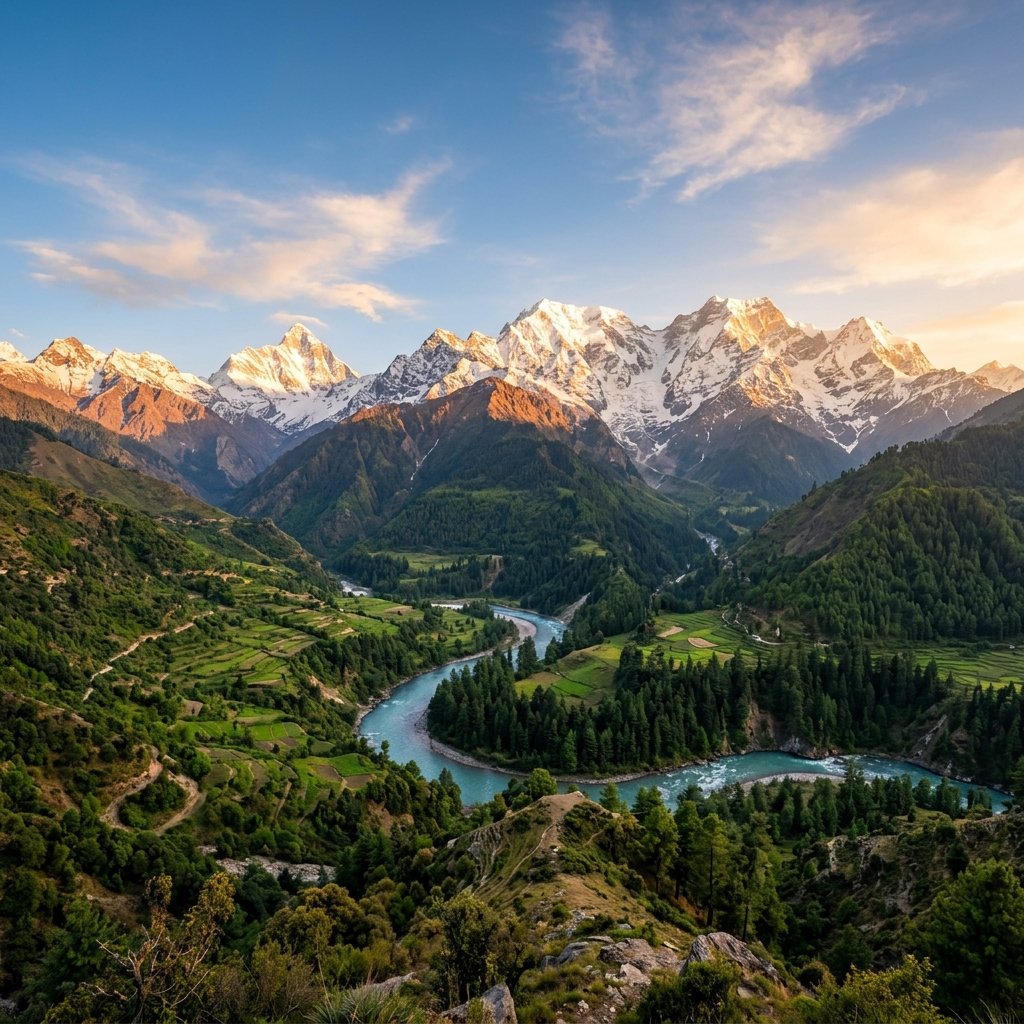
Gaze into infinite cosmic corridors, track the Milky Way across pristine Himalayan peaks, and witness meteor showers in designated Dark-Sky sanctuaries.
Experience unmatched thrill, rigorous safety standards, and stunning alpine scenery in the heart of Devbhumi.
Uttarakhand has emerged as India’s leading destination for astrotourism and night-sky preservation. High altitude, clean Himalayan breezes, zero industrial pollution, and vast unpopulated mountain ridges create optimal Bortle Class 1 and 2 dark skies.
Chamoli district has pioneered India’s first designated "Astro-Village" at Benital, equipped with computer-guided telescopes, astronomical amphitheaters, and strict dark-sky community lighting controls. Other premier stargazing locales include George Everest in Mussoorie, Kausani, and Takula in Kumaon.
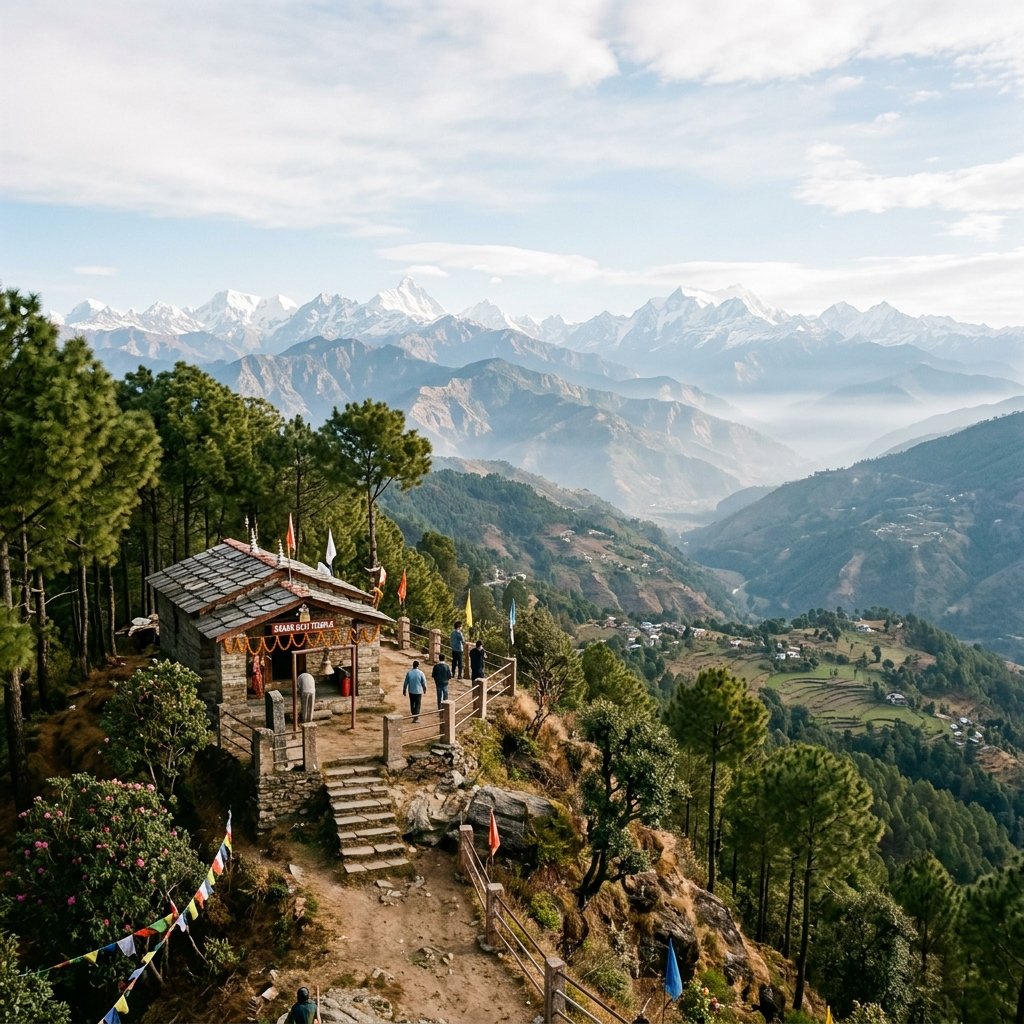
Detailed breakdown of difficulty levels, terrain highlights, timing, and certified operator costs.
Surrounded by sweeping alpine bugyals, Benital features astronomical domes, 8-to-11 inch computerized Dobsonian telescopes, guided constellation tours, and astrophotography workshops.
The historic estate of Surveyor General Sir George Everest features a public Starscapes observatory, solar telescope sessions by day, and deep-space galaxy viewings by night.
Famous for its uninterrupted 300 km view of Himalayan peaks (Trishul, Nanda Devi), Kausani’s planetarium and observatories offer crystal-clear planetary and deep-sky observation.
Unmatched raw darkness with zero light pollution. Ideal for capturing long-exposure astrophotography of the Milky Way arching directly over Mount Chaukhamba.
Compare key logistics, skill requirements, and budget allocations to choose the best adventure.
| Stargazing Spot | Altitude | Sky Clarity | Key Attractions | Best Window |
|---|---|---|---|---|
| Benital Astro-Village | 2,600 m | Bortle 1 (Pristine Dark) | Robotic Telescopes, Domes | Oct – Apr |
| George Everest (Mussoorie) | 2,000 m | Bortle 3 (Clean Sky) | Starscapes Public Observatory | Sep – May |
| Kausani Ridge | 1,890 m | Bortle 2 (Very Dark) | Planetarium, Nanda Devi View | Oct – Mar |
| Chopta Meadows | 2,700 m | Bortle 1 (Total Dark) | Milky Way Astrophotography | Oct – Apr |
Prioritizing your well-being so you can push your limits with total peace of mind.
Always verify that safety gear (lifejackets, helmets, harnesses, carabiners, ski bindings, disc brakes) carries international CE or UIAA certifications. Fasten all straps snugly before launch.
Engage only operators registered with the Uttarakhand Tourism Development Board (UTDB) or DGCA. Never embark on solo, unauthorized excursions in high-altitude zones or roaring waters.
Disclose any heart conditions, spinal problems, or asthma in advance. Respect seasonal river and weather closure warnings, and avoid adventure activities under the influence of alcohol.
Key answers to help plan your adventure itinerary smoothly.
With the naked eye on clear moonless nights, the galactic core of the Milky Way, satellites, and shooting stars are vividly visible. Through computerized telescopes, you can observe Saturn’s rings, Jupiter’s Great Red Spot and Galilean moons, the craters of the Moon, Andromeda Galaxy (M31), and the Orion Nebula (M42).
October to April provides the crispest, driest, and most transparent night skies. The post-monsoon autumn months (October and November) offer exceptionally dust-free skies with mild night chill.
Yes, Benital’s astro-camps are specifically curated for novices, families, and school students, featuring expert astronomers who guide you through Greek and Indian constellation mythologies.