The Sacred Lifelines of India

Rivers in Uttarakhand

The geological and spiritual cradle of India’s most revered rivers. Discover the glacial birthplaces of the Ganga and Yamuna, the five sacred confluences of the Panch Prayags, and world-class white-water rafting on Himalayan rapids.

Birthplace of Mother Ganga
The 5 Sacred Panch Prayags
Rishikesh White-Water Rafting
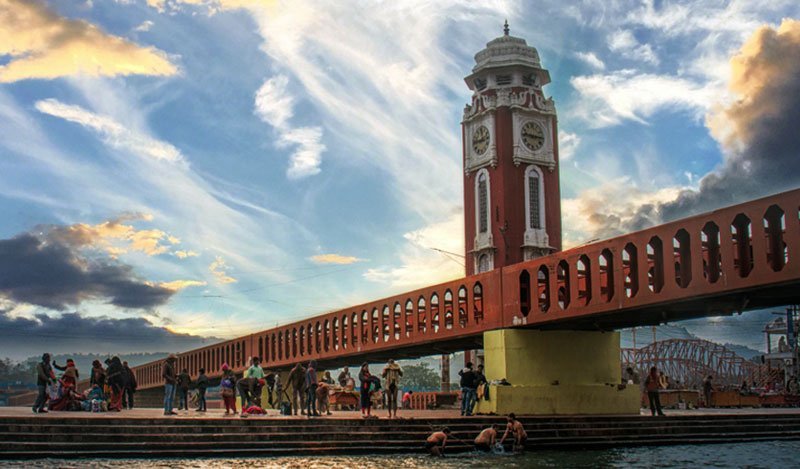
Evening Ganga Aarti at Har Ki Pauri
Hydrological & Divine Heritage

The River Heart of the Subcontinent

Uttarakhand’s glaciated valleys give birth to the freshwater lifelines that sustain over half a billion people across the northern Indian plains.

Glacial Origins

Where Glaciers Become Holy Currents

High in the glaciated amphitheaters of the Greater Himalayas, colossal ice sheets melt into torrential streams. The Bhagirathi leaps from the snout of Gaumukh glacier, while the mighty Alaknanda emerges from Satopanth and Bhagirath Kharak glaciers above Badrinath.

At Devprayag, these two legendary rivers unite in a dramatic collision of turquoise and jade waters, formally giving birth to the Ganga—the sacred river worshipped by millions across the globe.
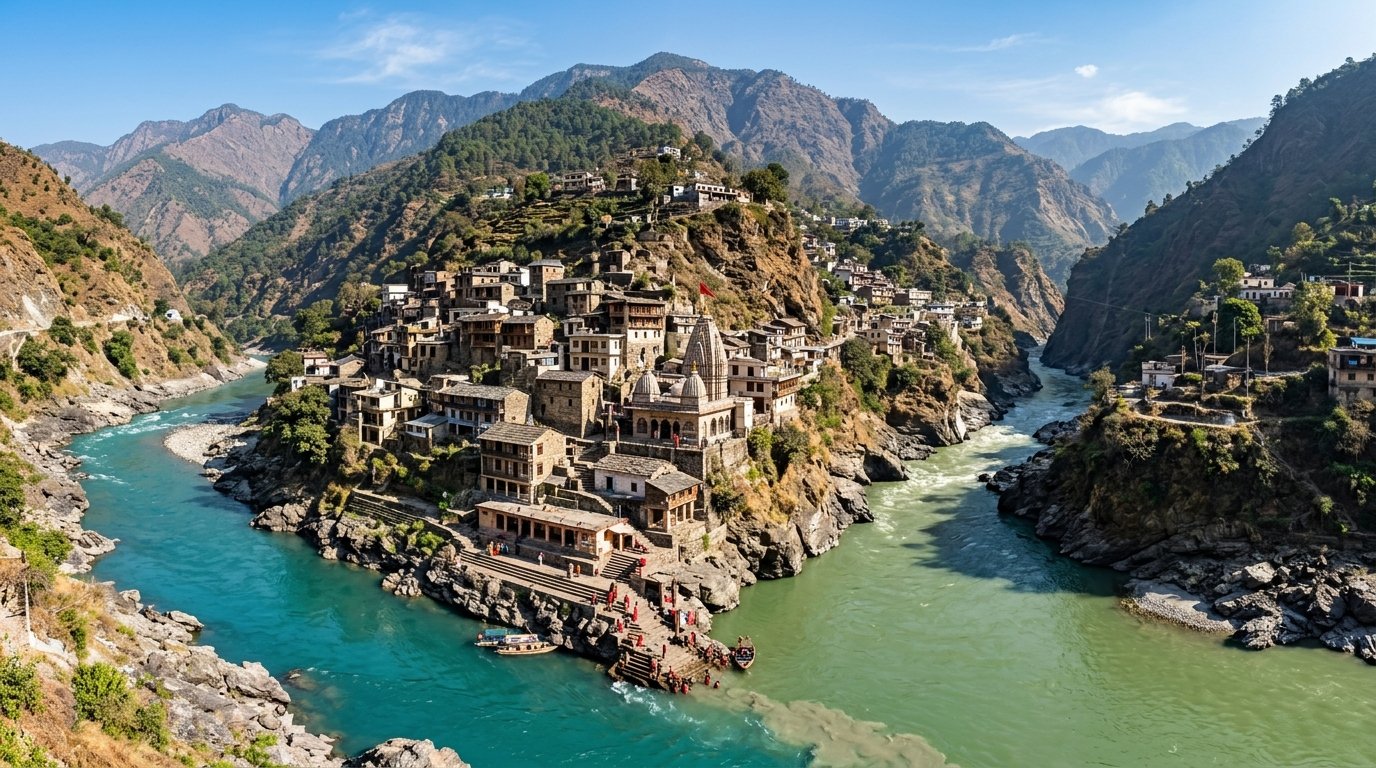
Devprayag Sangam of Alaknanda and Bhagirathi
River Systems Directory

The Major River Systems of Uttarakhand

Discover the origin, course, spiritual significance, and key attractions along each major Himalayan river.

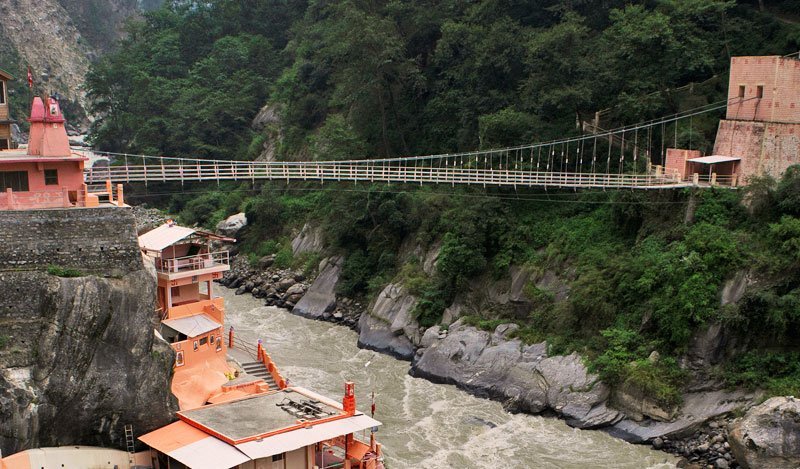
Holy Ganga River at Haridwar
Garhwal Foothills · Haridwar & Rishikesh

The Holy Ganga

Formed At: Devprayag (Confluence of Bhagirathi & Alaknanda)
Key Towns: Devprayag, Rishikesh, Haridwar
Significance: The spiritual backbone of India. Revered for evening aartis, spiritual bathing at Har Ki Pauri, and world-renowned rafting rapids.
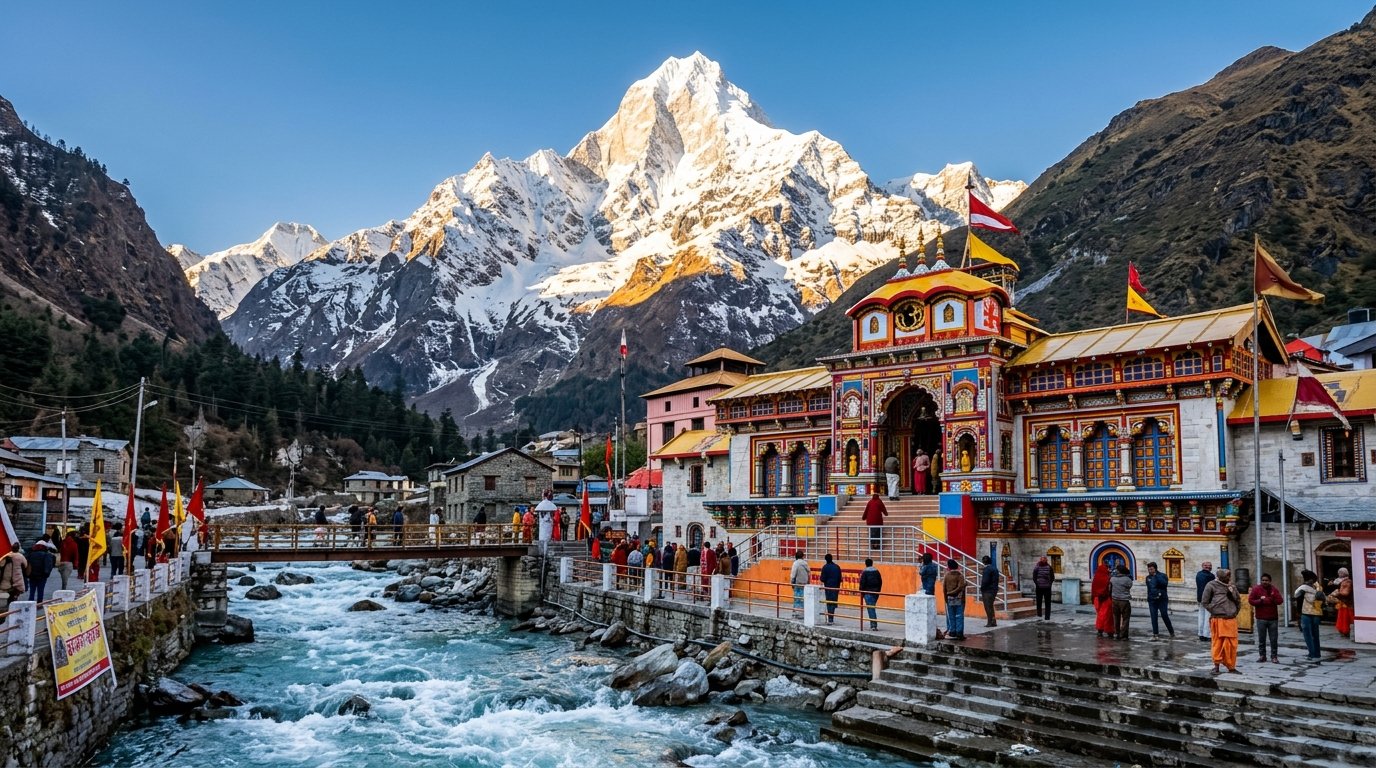
Alaknanda River Badrinath
Chamoli & Rudraprayag

Alaknanda River

Origin: Satopanth & Bhagirath Kharak Glaciers (above Mana)
Key Towns: Badrinath, Joshimath, Karnaprayag, Srinagar
Significance: The master stream that hosts all five sacred Panch Prayags before merging at Devprayag. Flows past Badrinath Dham.
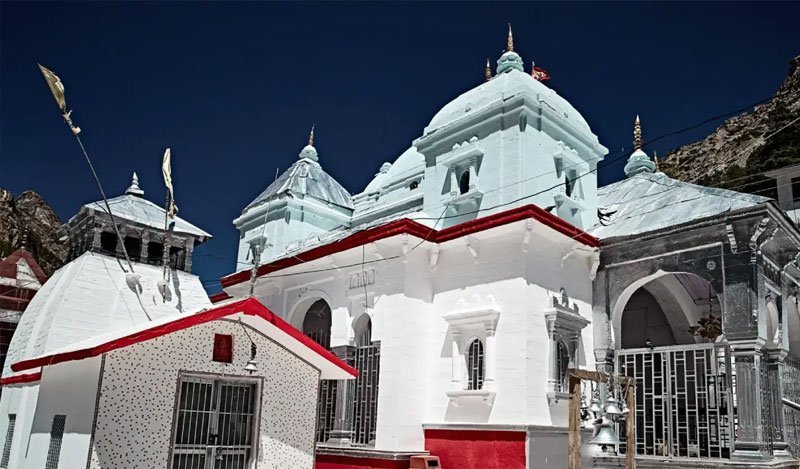
Bhagirathi River Gangotri
Uttarkashi & Tehri

Bhagirathi River

Origin: Gaumukh Glacier (3,920 m)
Key Towns: Gangotri, Harsil, Uttarkashi, New Tehri
Significance: Mythologically considered the true source stream of the Ganga brought to earth by King Bhagiratha's severe penance. Powers the massive Tehri Dam.
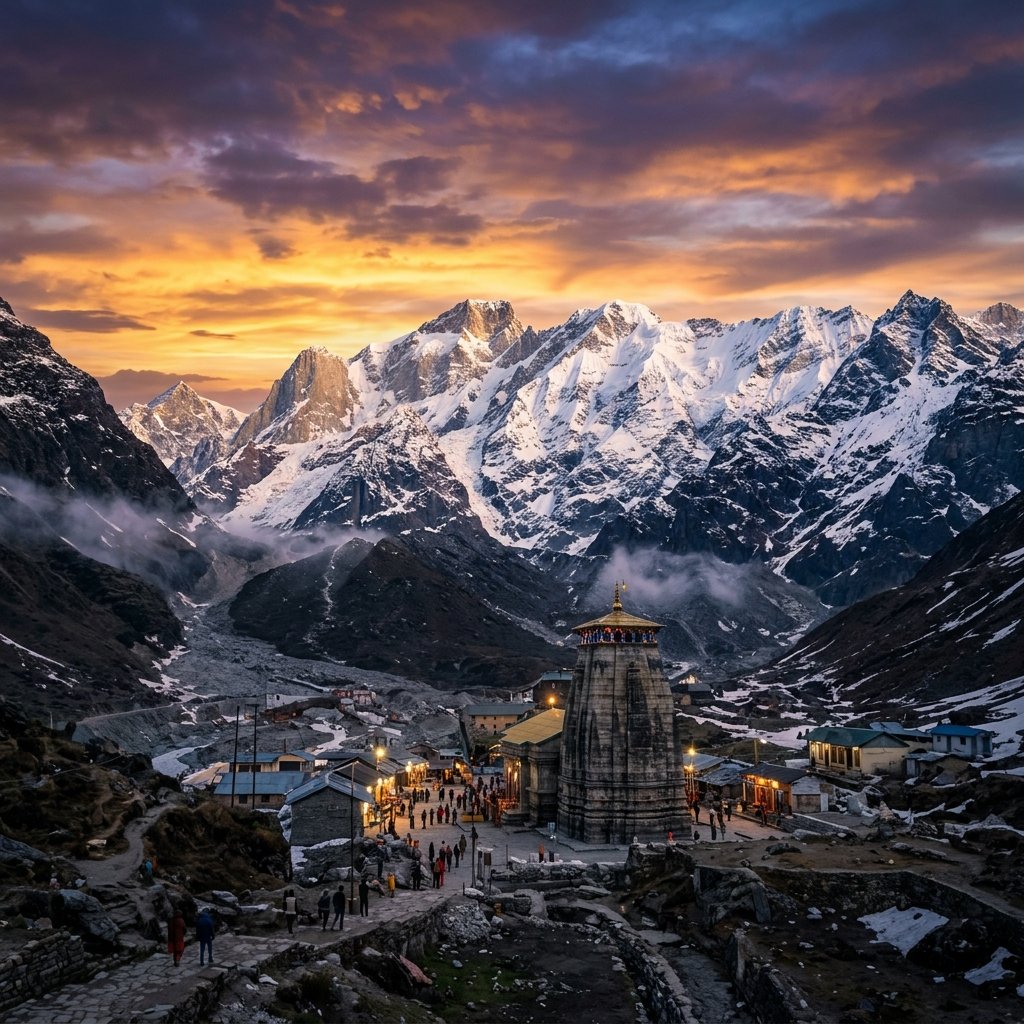
Mandakini River Kedarnath
Rudraprayag District

Mandakini River

Origin: Chorabari Glacier (behind Kedarnath)
Key Towns: Kedarnath, Gaurikund, Guptkashi, Rudraprayag
Significance: Swift, turbulent mountain torrent sanctifying the Kedarnath pilgrimage trail before meeting the Alaknanda at Rudraprayag.
Yamuna River Origin
Uttarkashi & Dehradun

Yamuna River

Origin: Yamunotri Glacier (Bandarpunch Peak, 6,387 m)
Key Towns: Yamunotri, Barkot, Naugaon, Dakpathar
Significance: The second holiest river in Hinduism and daughter of Surya (Sun God). Sanctifies the first shrine of the Char Dham Yatra.
Saryu River Bageshwar
Bageshwar & Pithoragarh

Saryu River

Origin: Sarmul (Pithoragarh Hills)
Key Towns: Bageshwar, Kapkot, Pancheshwar
Significance: Kumaon’s sacred lifeline uniting with the Gomati River at the ancient Bagnath Temple in Bageshwar. Celebrated in Valmiki Ramayana.
Sacred Confluences

The Sacred Panch Prayags of Garhwal

Five divine river intersections cascading down the Alaknanda gorge. Pilgrims traditionally take holy dips at each confluence during the Char Dham journey.

The 5 Confluences in Descending Order

  1. Vishnuprayag (1,372 m): Alaknanda meets the ferocious Dhauliganga tumbling from Niti Pass near Joshimath.
  2. Nandaprayag (870 m): Alaknanda merges with the Nandakini River originating from the Nanda Devi glaciers.
  3. Karnaprayag (788 m): Alaknanda joins the Pindar River emerging from the Pindari Glacier. Named after warrior Karna of Mahabharata.
  4. Rudraprayag (610 m): Alaknanda meets the turbulent Mandakini River from Kedarnath. Worshipped as the site where Sage Narada attained musical mastery from Lord Shiva.
  5. Devprayag (472 m): The grandest confluence where the Alaknanda merges into the Bhagirathi, officially emerging as the River Ganga.
Sacred Panch Prayag Confluences
Outdoor Sports

White-Water River Rafting in Rishikesh

Rishikesh is globally recognized as the White-Water Rafting Capital of India. Fed by glacial melt, the Holy Ganga carves thrilling Grade II to Grade IV+ rapids through scenic forested canyons:

  • Brahmpuri to Rishikesh (9 km): Grade I-II rapids. Ideal for beginners, children, and senior citizens.
  • Shivpuri to Rishikesh (16 km): Grade III rapids (Return to Sender, Roller Coaster, Golf Course). The most popular circuit.
  • Marine Drive to Rishikesh (26 km): Thrilling 4-hour expedition with intense continuous Grade III-IV rapids.
  • Kaudiyala to Rishikesh (36 km): Demanding expedition featuring the infamous Grade IV+ "The Wall" rapid.
Operating Season: Late September to mid-June (Strictly closed during July-August monsoon).
River Rafting on Ganga in Rishikesh
Frequently Asked Questions

Frequently Asked Questions: Rivers

Common queries on river origins, pilgrimage rituals, rafting permits, and seasonal flow.

The river officially becomes known as the Ganga at Devprayag, where the Bhagirathi (originating at Gaumukh) meets the Alaknanda (originating at Satopanth). Prior to this confluence, it is called the Bhagirathi.

The Ganga Aarti takes place every evening at dusk (around 6:00 PM to 7:00 PM depending on the season) at Har Ki Pauri in Haridwar, and at Triveni Ghat and Parmarth Niketan in Rishikesh. Arriving 45 minutes early is recommended to secure seating.

The peak season is from October to November and March to early May. The water is crystalline, temperatures are pleasant, and rapids are well-formed. Rafting is completely prohibited during the July-August monsoon by the Uttarakhand government.

Plan Your Sacred Confluence & Rafting Tour

Want to explore the sacred Panch Prayags, witness the grand evening Ganga Aarti, or book verified rafting adventures in Rishikesh?

Send Enquiry