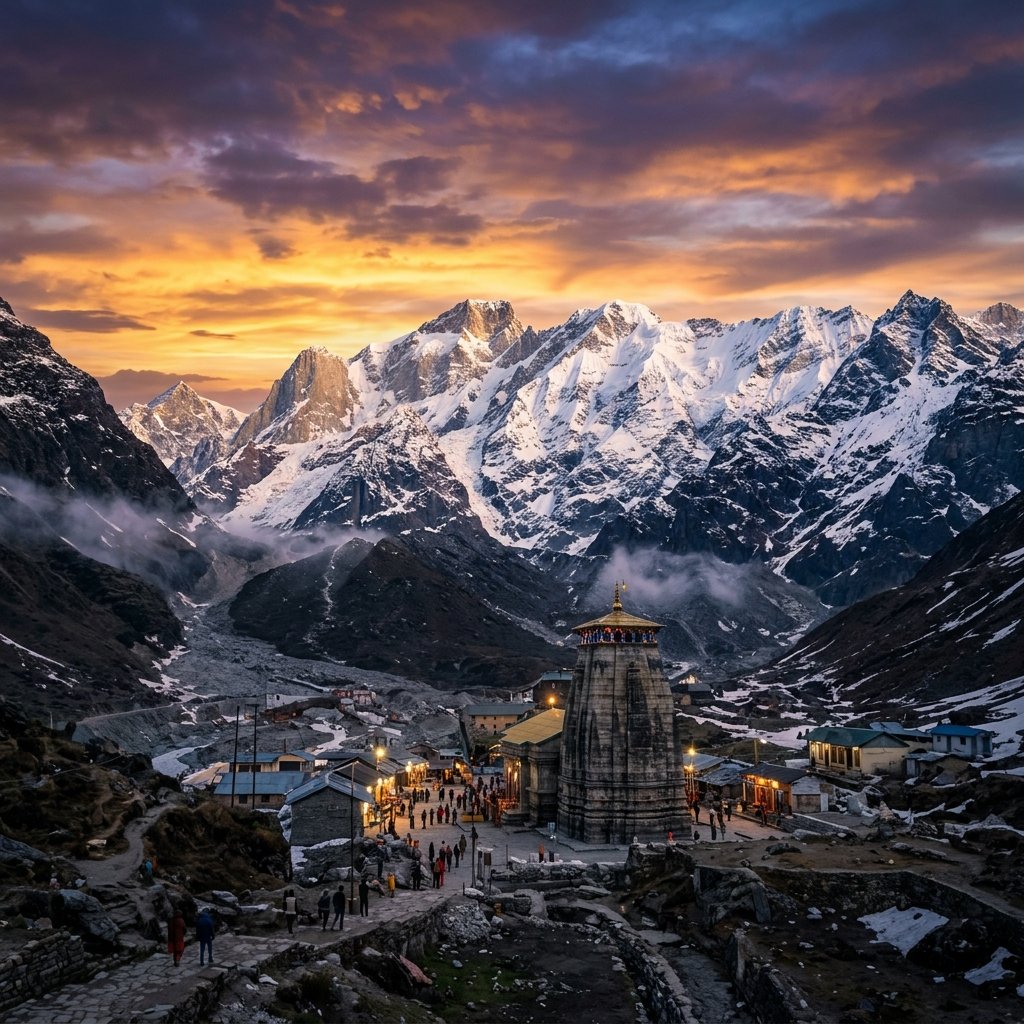
Experience the majestic Himalayas draped in pristine white snow. From the Olympic-grade ski slopes of Auli to enchanting winter treks like Kedarkantha and the auspicious Winter Char Dham Yatra.
Winter transforms Uttarakhand into a fairytale world of snow-laden deodar forests, frosty clear skies, and glistening glaciers.
Snowfall in Uttarakhand is driven by cyclonic storms originating over the Mediterranean, known as Western Disturbances. Late December through January and mid-February witness regular snowfall across high-altitude ranges.
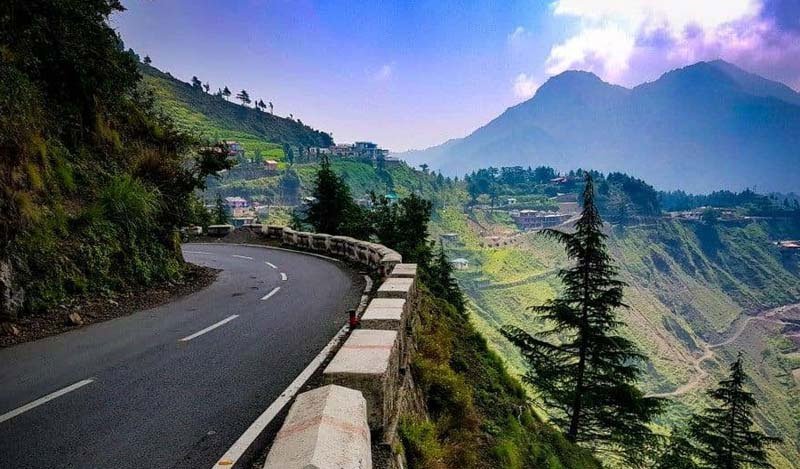
Towns situating between 1,500m and 2,000m (like Nainital and Mussoorie) enjoy crisp, sunny winter days (10°C to 15°C) with occasional snowfall spells, while high peaks above 2,500m remain blanketed in deep snow until spring.
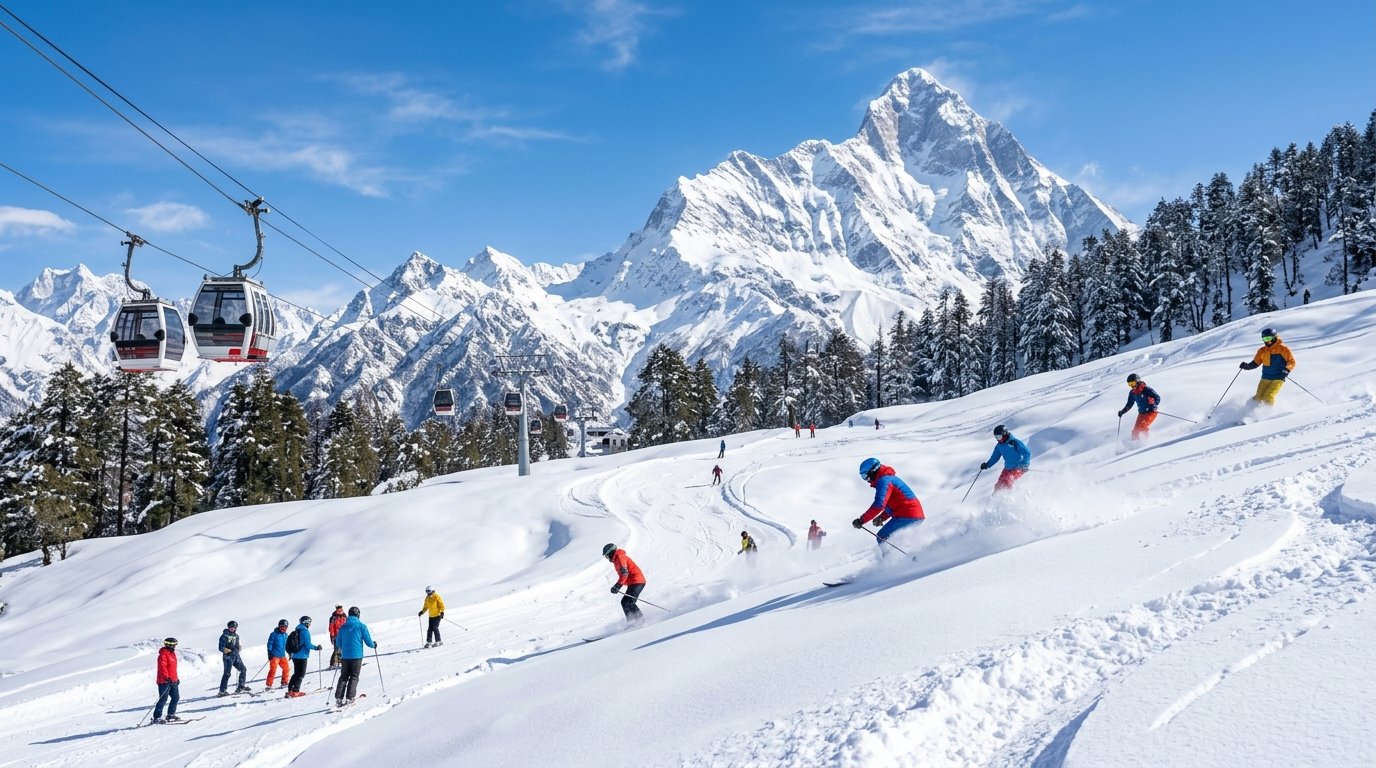
The most reliable destinations for skiing, snowplay, and winter mountain panoramas.


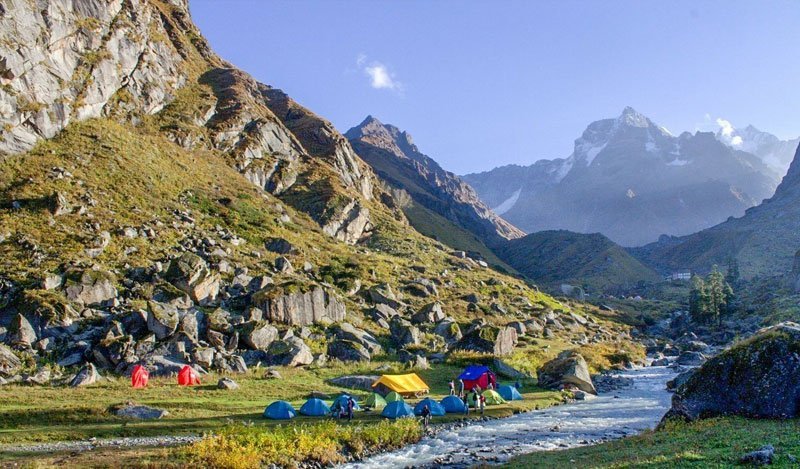
Trek across knee-deep snow, camp under starry sub-zero skies, and conquer snow-capped Himalayan summits.
When heavy snow closes the high Himalayan shrines around Diwali, the divine idols (Utsav Murties) are ceremoniously carried down in palanquins (Dolis) to their accessible lower winter seats:
Pilgrims can easily seek blessings at all four shrines without facing high-altitude road closures or severe altitude sickness.
Essential information on winter road closures, heating, and clothing.
Major highways like the Delhi-Dehradun expressway, Haridwar, Rishikesh, and Nainital roads remain open continuously. High passes leading to Auli or Chopta may experience temporary delays of a few hours after a blizzard, but Border Roads Organisation (BRO) snow-clearing bulldozers restore transit rapidly.
Follow a strict 3-layer system: 1) Thermal base layer (top & bottom), 2) Warm fleece or woolen mid-layer, and 3) Windproof and waterproof down jacket. Additionally, pack woolen beanies, waterproof gloves, insulated socks, and boots with deep rubber treads.