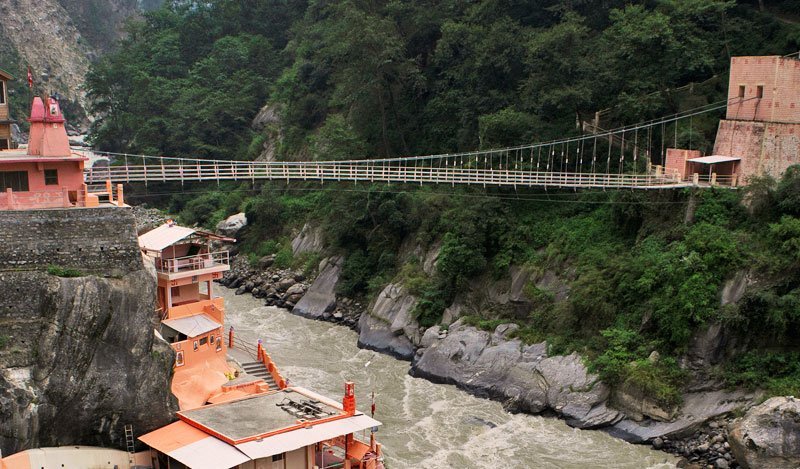
The primary pilgrimage window. Pleasant daytime temperatures, clear valley skies, and bustling spiritual fervor. Evening aarti along the Alaknanda is mesmerizing. Advance registrations and hotel bookings are essential.
Sacred Char Dham & Divya Desam · Chamoli Garhwal
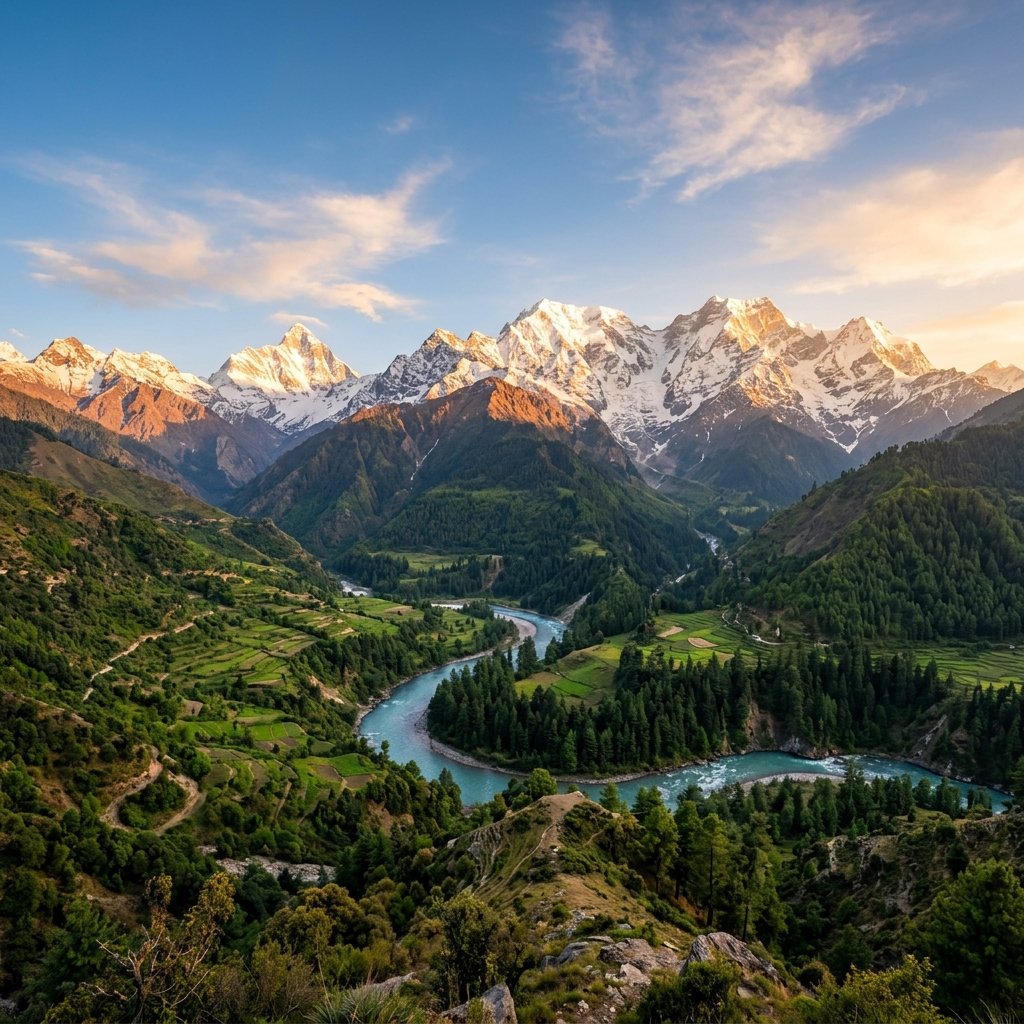
Nestled in a dramatic valley between the twin mountain ranges of Nar and Narayana at an elevation of 3,133 metres (10,279 feet), Badrinath is the most revered of the sacred Char Dham pilgrimage sites in India. Revered as the holy dwelling place of Lord Vishnu (Badri Vishal), it is also celebrated as one of the 108 Divya Desams extolled by Tamil saint-poets across millennia.
According to Hindu mythology, Lord Vishnu performed rigorous penance at this location for thousands of years. To shelter Him from scorching sun and freezing blizzards, His consort Goddess Lakshmi transformed Herself into a protective Badri (wild berry) tree — thus giving the sacred shrine the divine name Badrikashram or Badrinath.
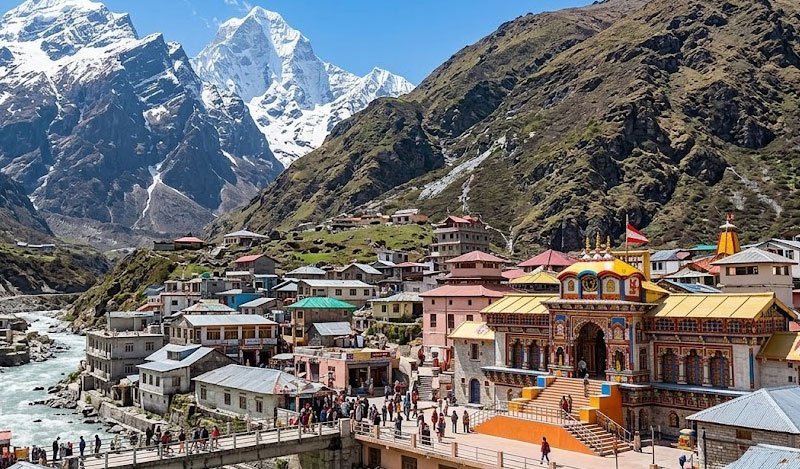
The vibrant temple facade, painted in brilliant red, gold, and blue hues, stands proudly along the banks of the roaring Alaknanda River. Inside the sanctum sanctorum sits a 1-metre tall meditative idol of Lord Vishnu, miraculously self-manifested in black Shaligram stone. The idol is traditionally worshipped by a Nambudiri Brahmin chief priest (the Rawal) from Kerala, upholding a sacred tradition established by Adi Shankaracharya in the 8th century.
Right below the temple terrace lies Tapt Kund, a miraculous natural thermal spring with therapeutic sulphur-rich water maintaining a constant temperature of approximately 55°C, providing a deeply revitalizing sacred bath before entering the sanctum despite freezing mountain winds outside.
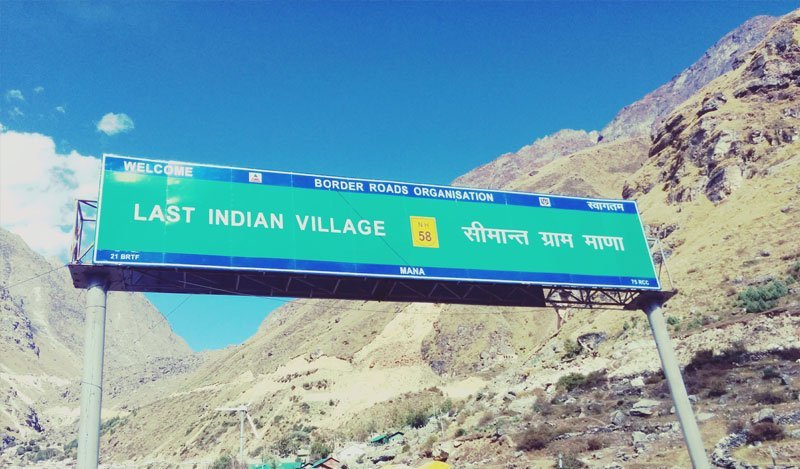
Just 3 km north of Badrinath lies Mana Village, officially recognized as the "First Village of India" along the Indo-Tibetan border. Mana is steeped in epic Mahabharata lore: here, Sage Vyasa dictated the monumental epic inside Vyas Gufa, Lord Ganesha penned the verses in Ganesh Gufa, and the mighty Pandava brother Bhima placed a colossal stone slab named Bheem Pul across the thunderous Saraswati river.
With the gleaming ice-pyramid of Neelkanth Peak (6,596m) soaring into the heavens right behind the temple, visiting Badrinath is both a profound spiritual awakening and an unforgettable encounter with the grandeur of the Greater Himalayas.
The primary pilgrimage window. Pleasant daytime temperatures, clear valley skies, and bustling spiritual fervor. Evening aarti along the Alaknanda is mesmerizing. Advance registrations and hotel bookings are essential.
Heavy rainfall can trigger landslides on mountain highways. Pilgrims should check weather advisories and road conditions carefully. Valley waterfalls surge with breathtaking mountain runoff.
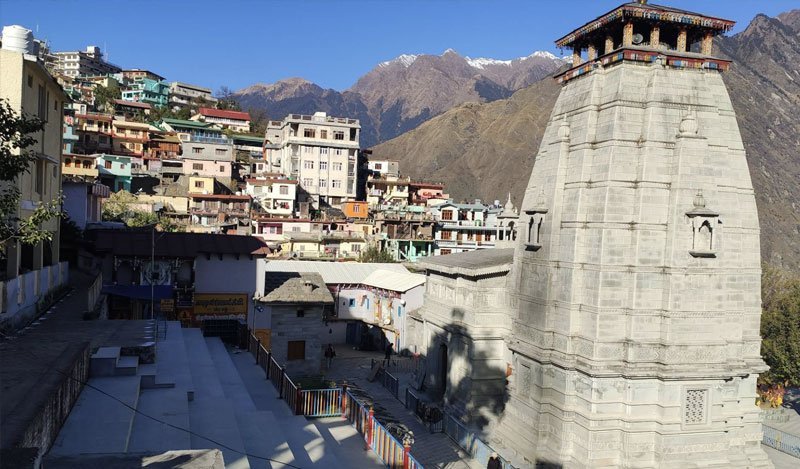
The town is buried under deep snow drifts of 10 to 15 feet. The temple is officially closed for worship; the deity's idol is ceremoniously escorted down to the winter seat at the Narsingh Temple in Joshimath.
Spiritual
01
Sacred Water
02
Heritage
03
Mythology
04
Waterfall
05
Peak
06
Attend the divine 4:30 AM Maha Abhishek ceremony inside the sanctum sanctorum, accompanied by Vedic mantras and sacred rituals.
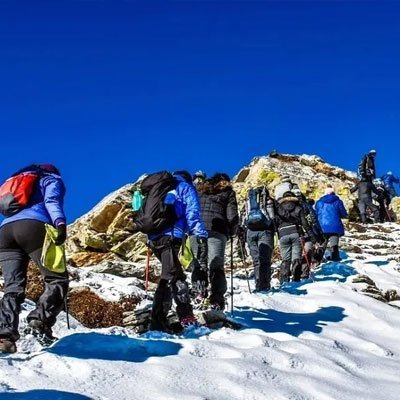
Embark on an exhilarating 5 km high-altitude trek from Mana Village to witness the thunderous 400-foot glacial cascade.
Walk through stone-paved lanes to Vyas Gufa where the Mahabharata was composed, and sip tea at "India’s First Tea Shop".
Immerse yourself in the miraculous 55°C natural thermal springs beside the icy Alaknanda River for deep rejuvenation.
Adventure
Spiritual
Adventure
Nature
Spiritual
Spiritual
Spiritual
Adventure
Nature
Spiritual
Spiritual
Spiritual
Mandatory Yatra Registration: All pilgrims must register on the official Uttarakhand Tourism Char Dham portal (registration.uk.gov.in) before traveling to Badrinath.
Prepare for Altitude Sickness: At over 3,100m, acute mountain sickness can occur. Acclimatize in Joshimath overnight, drink plenty of water, and carry camphor or portable oxygen cans.
Heavy Woolens Required Always: Even in peak June summer, night temperatures often plunge near freezing. Pack thermal innerwear, fleece jackets, woolen caps, and sturdy walking shoes.
Book Aarti Slips in Advance: Special puja passes for the pre-dawn Maha Abhishek and evening Swarna Aarti can be pre-booked online through the BKTC (Badri Kedar Temple Committee) portal.
Respect Temple Sanctity: Photography and videography are strictly prohibited inside the temple premises. Dress modestly in traditional attire and deposit footwear at designated counters.
Cash & Connectivity: SBI and PNB ATMs are available in Badrinath town, but can occasionally run out of cash during rush hours. Carry sufficient cash. Jio and BSNL have reliable 4G coverage.
Essential Yatra timings, temple rituals, accommodation tips, and road status for visiting Badrinath Dham.
Badrinath is not just a destination on a map; it is an eternal spiritual summit where millions have sought salvation across the ages. The reverberation of conch shells, the rhythmic chant of "Jai Badri Vishal," the steaming warmth of Tapt Kund against frosty air, and the silent vigil of Neelkanth Peak create an experience that echoes in the heart forever.
Start Planning Your Trip →Explore More: Char Dham & Garhwal Pilgrimage