Editor's Picks
Must-Visit Places in Badrinath
Experience the five iconic places that define Badrinath's character, natural grandeur, and centuries of timeless cultural heritage.
Journey to the holy valley of the Alaknanda nestled between Nar and Narayan peaks, home to the sacred 8th-century temple of Lord Vishnu, steaming sulfur springs, and legendary border villages.
Experience the five iconic places that define Badrinath's character, natural grandeur, and centuries of timeless cultural heritage.
A detailed guide to every landmark, heritage monument, sacred shrine, pristine nature trail, and panoramic lookout across Badrinath and adjoining valleys.
 TEMPLES
01
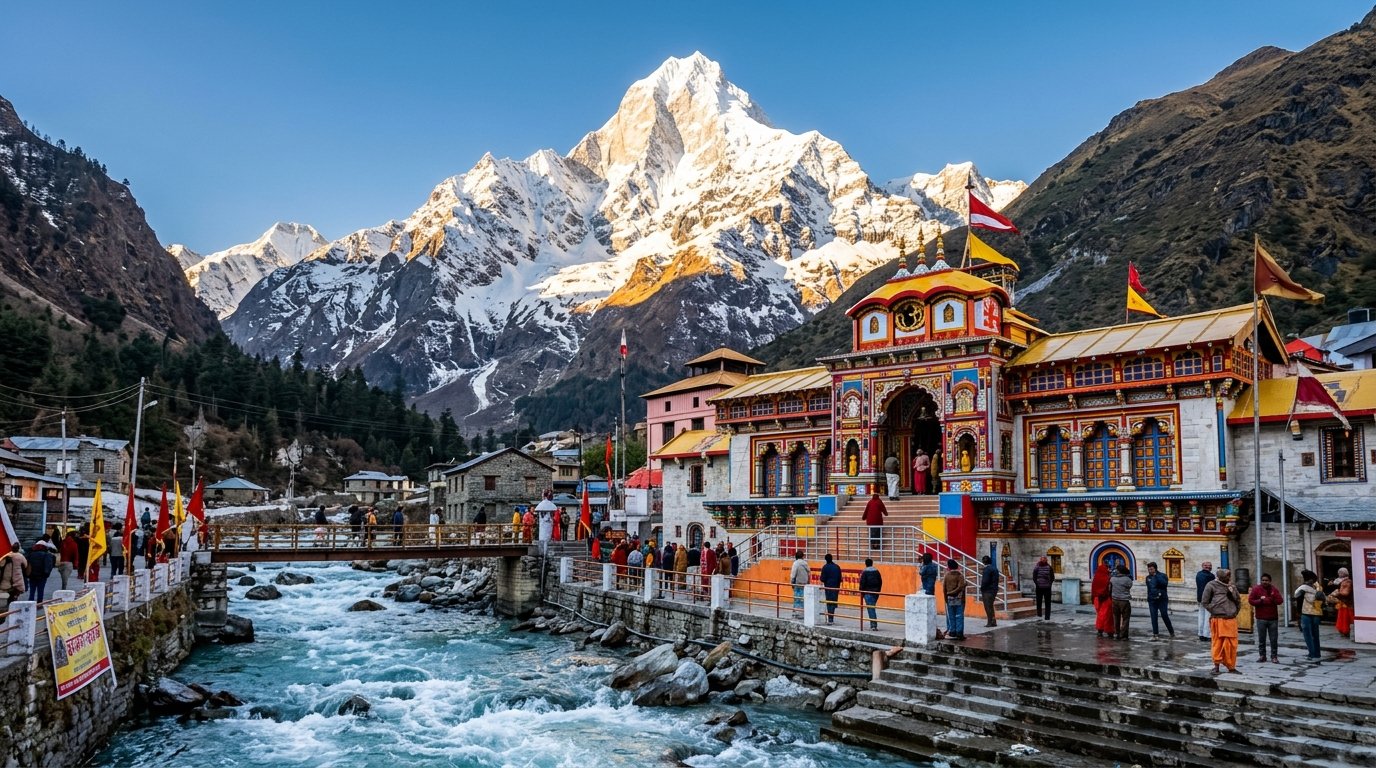
The sanctum houses a 1-metre tall black stone (Saligram) statue of Lord Vishnu seated in meditative Padmasana under a Badri (jujube) tree. Flanked by Nar and Narayan mountain ranges, the temple remains open from April/May (Akshaya Tritiya) to November (Bhai Dooj).
 KUNDS
02
These natural sulfur springs maintain medicinal waters said to cure physical ailments and spiritually cleanse the soul. Separate bathing sections are maintained for men and women.
 MANA
03
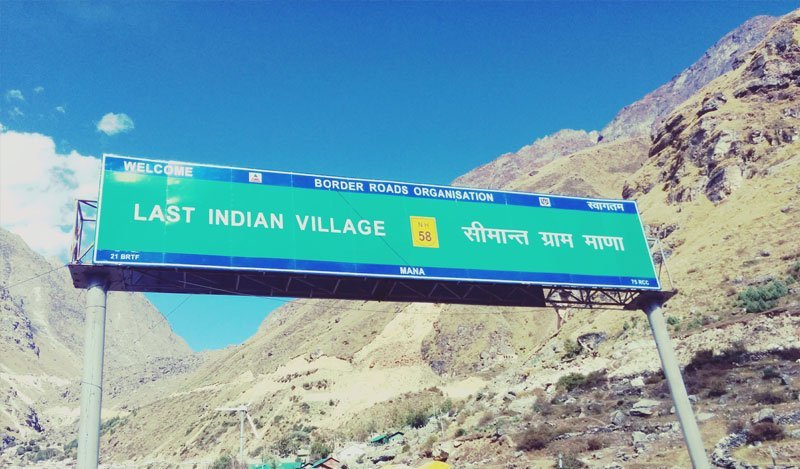
Situated at 3,200m along the banks of the Saraswati, Mana is the last settlement before the Mana Pass into Tibet. Visitors can sample tea at "India's First Tea Stall" and buy hand-knitted raw wool shawls and herbal herbs from local Bhotia families.
 MANA
04
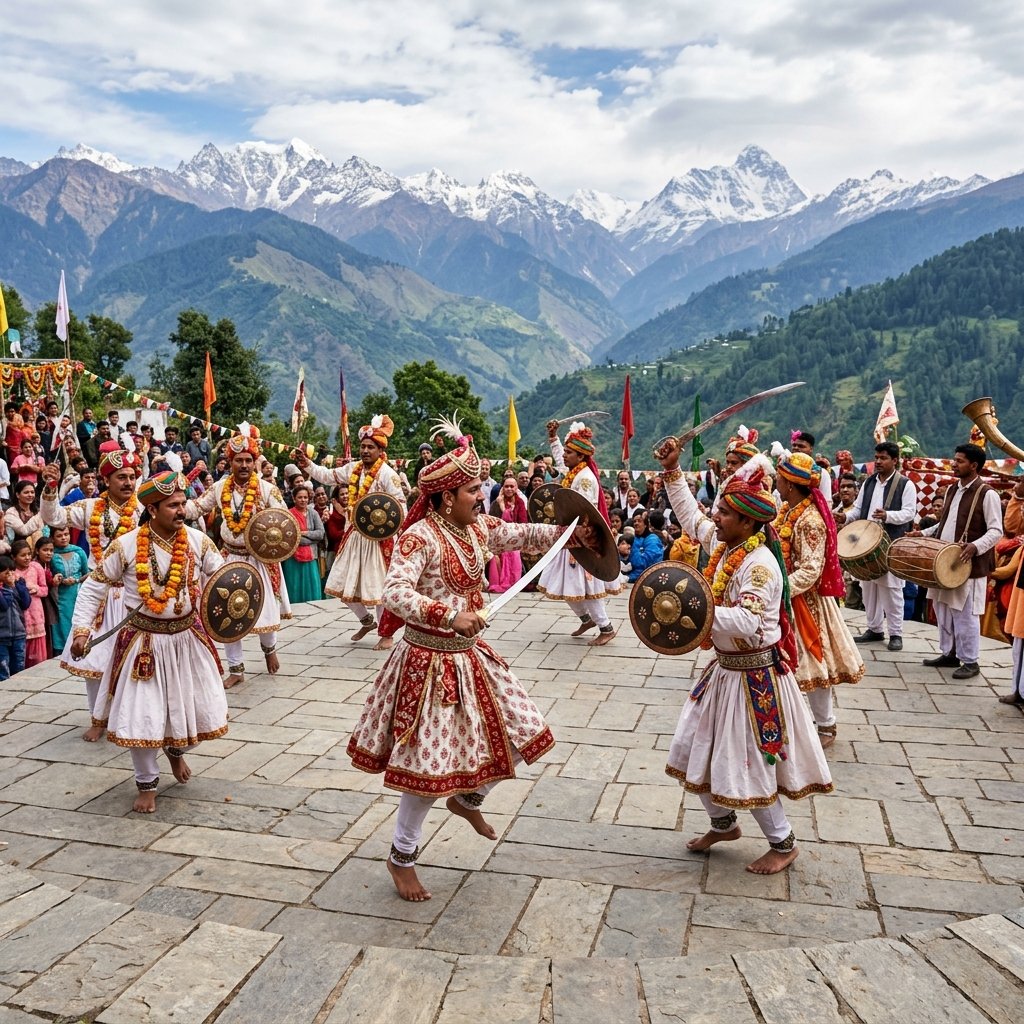
Watch the torrential Saraswati river roar out of a rock cleft with deafening power before merging with the Alaknanda at Keshav Prayag. The giant stone bridge spanning the canyon is an awe-inspiring sight of nature and legend.
 NATURE
05
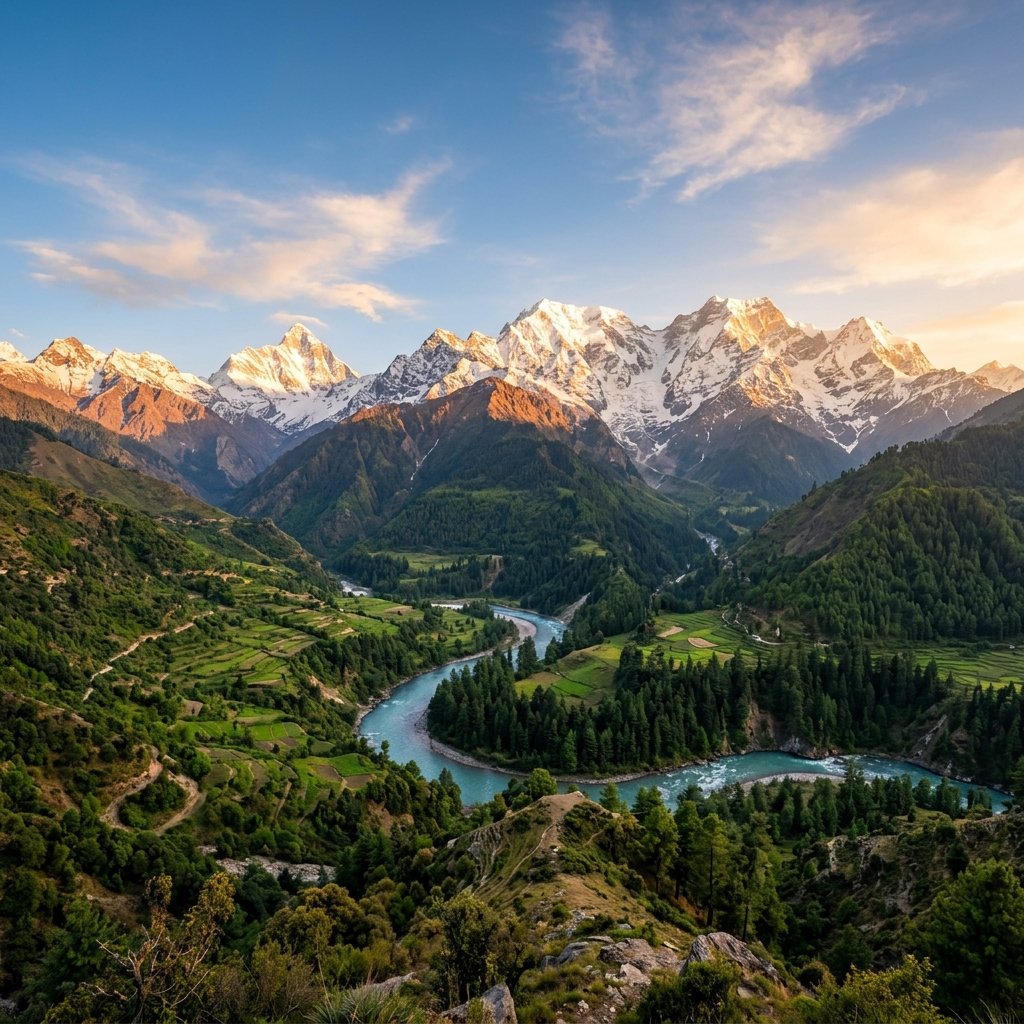
A dramatic alpine hike across glacial moraines and gravel terraces leads to this 122m high waterfall. Set against the backdrop of Chaukhamba and Satopanth peaks, the waters spray into fine iridescent clouds in the mountain breeze.
MANA
06
Ancient cave where Sage Ved Vyas is believed to have composed the epic Mahabharata with Lord Ganesha acting as the scribe. The rock ceiling above Vyas Gufa uniquely resembles the stacked pages of ancient palm manuscripts (Vyas Pothi).
 TEMPLES
07
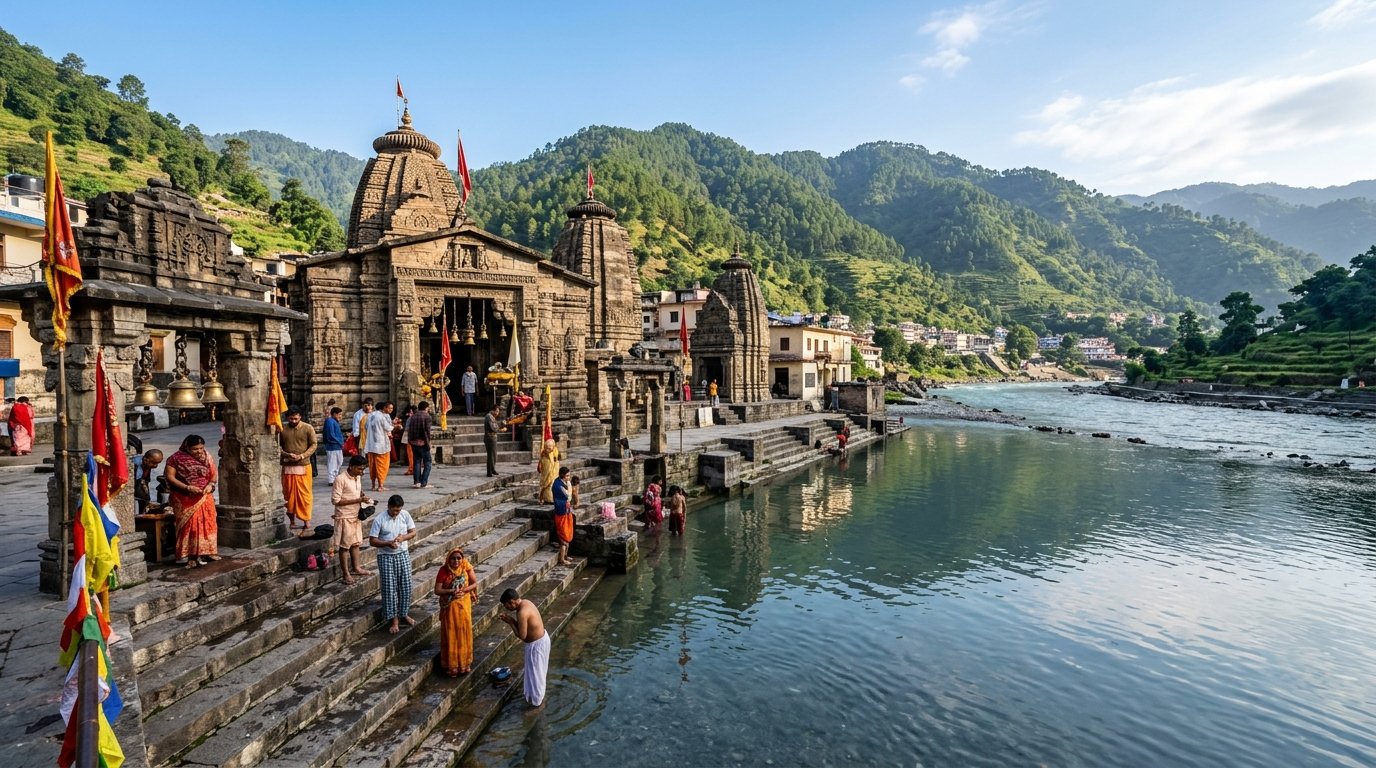
A flat stone platform on the banks of the Alaknanda where Hindus perform Shraddha and Pind Daan rituals for the liberation (Moksha) of ancestors' departed souls. It is believed that performing rites here once frees souls permanently.
 NATURE
08
Perched at 3,380m on the slopes of Narayan Parbat, this sacred meadow houses a rock slab bearing footprints believed to be those of Lord Vishnu when he first set foot on Earth from Vaikuntha.
NATURE
09
Known as the 'Queen of Garhwal', this majestic 6,596m pyramidal snow peak towers directly above the Badrinath valley, catching the first golden rays of dawn in breathtaking splendor.
 TEMPLES
10
Ancient shrine dedicated to the mother of twin avatars Nar and Narayan. Each September, the Utsav Murti of Lord Badrinath visits in a grand festive palanquin during the Mata Murti Mela.
Try selecting another category pill or reset the filters above.
Practical advice, permits, local logistics, and seasonal recommendations to make your journey to Badrinath completely effortless.
During peak May–June Yatra season, obtain your computerized Darshan slot token early morning to avoid 5-hour queues. Morning Maha Abhishek pooja starts at 4:30 AM.
Even in mid-summer, night temperatures at 3,133m regularly drop to 3°C–5°C. Carry heavy woolens, thermal innerwear, gloves, and rain ponchos for unexpected showers.
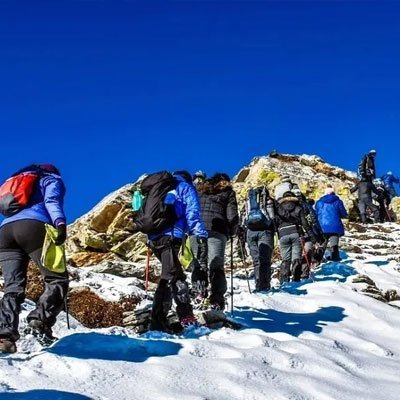
The 5 km trail from Mana to Vasudhara has loose stones and glacial scree. Wear sturdy boots with deep treads, carry a bamboo walking pole, and bring water bottles.
The Char Dham all-weather highway connects Rishikesh to Badrinath (295 km). However, Joshimath to Badrinath (45 km) has steep winding passes; check road clearance during monsoon.
Everything you need to know regarding timings, routes, best viewpoints, seasonal weather, and visitor permits.
From majestic mountain panoramas and sacred heritage shrines to tranquil river valleys and alpine meadows, Badrinath promises journeys that linger in your memory forever. Start planning your custom itinerary today.
Explore More: Badrinath & Garhwal Travel