Summer
June – July
6°C – 16°C
Trails open from Govindghat. Early wildflowers begin to blanket the alpine meadows. Weather is pleasant with clear morning skies; ideal time for Hemkund Sahib darshan.
Gateway to Valley of Flowers & Sacred Hemkund Sahib · Chamoli
Perched like a fairy-tale outpost at an exhilarating elevation of 3,048 metres (10,000 ft) in the Chamoli Garhwal district, Ghangaria (also known as Govind Dham) is the vital high-altitude trekking base camp for two of India’s most revered destinations: the world-famous UNESCO Valley of Flowers National Park and the sacred Sikh pilgrimage of Hemkund Sahib.
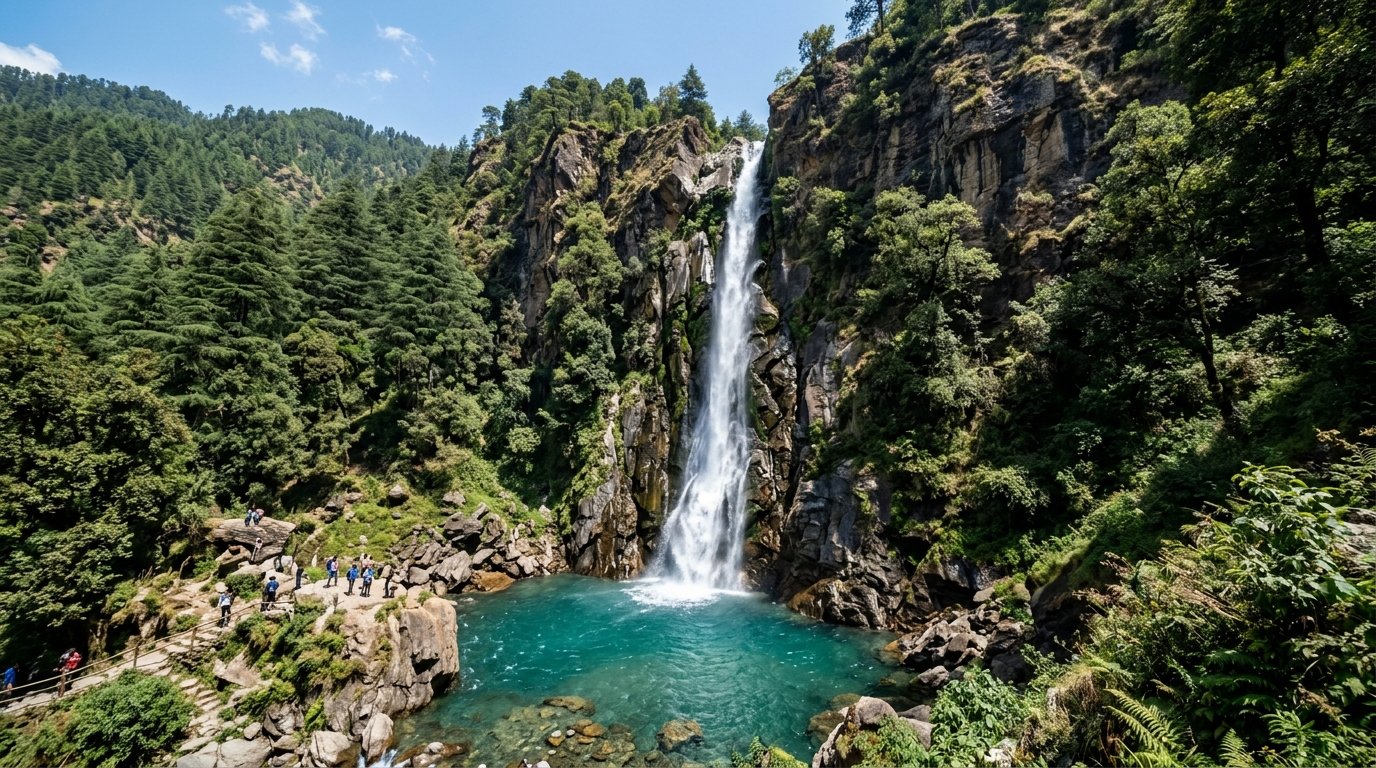
Sited at the roaring confluence of the Pushpawati River flowing down from the floral valley and the Hemganga (Laxman Ganga) descending from the glacial heights of Hemkund, Ghangaria is surrounded by sheer granite mountains carpeted in ancient Himalayan silver birch (bhojpatra), spruce, and wild mountain ferns.
The journey to Ghangaria begins at Govindghat on the Rishikesh-Badrinath highway. From Govindghat/Poolna, a scenic 10 to 14-kilometer trekking trail climbs alongside the thundering torrents of Laxman Ganga, passing rustic tea stalls, cascading waterfalls, and blooming rhododendron trees before emerging onto the alpine flat of Ghangaria.
From Ghangaria, the trail divides into two legendary routes. Heading west across a stone bridge brings you after 3 kilometers to the entry gate of the Valley of Flowers, where hundreds of rare alpine species including the blue poppy, Himalayan bellflower, and brahma kamal blossom across a 10 km emerald valley. Heading south leads up a steep, switchbacking 6-kilometer stone path to Hemkund Sahib (4,329m), the highest Gurudwara on earth surrounded by seven snow peaks.
Ghangaria is a seasonal human settlement that only buzzes with life between June and October. During this window, thousands of Sikh pilgrims, botanists, mountain lovers, and photographers fill its vibrant single-lane bazaar. At the heart of the settlement stands Gurudwara Govind Dham, which serves hot free meals (langar) and tea around the clock with selfless warmth.
During the long Himalayan winter (November to May), Ghangaria is buried under 10 to 15 feet of heavy snow and completely abandoned, returning to its primordial state of frozen mountain silence.
Trails open from Govindghat. Early wildflowers begin to blanket the alpine meadows. Weather is pleasant with clear morning skies; ideal time for Hemkund Sahib darshan.
Peak blooming extravaganza in the Valley of Flowers! Rain showers are frequent, making the meadows intensely fragrant and vibrant; carry waterproof rain gear.
Ghangaria is completely deserted and buried under massive snowdrifts. All lodges and Gurudwara gates are closed until late spring clearance.
 UNESCO Floral Valley
01
 Sacred High Shrine
02
 Sikh Hospitality
03
 River Confluence
04
 Ancient Forest
05
 Mountain Village
06
Cross the Pushpawati River to spend a magical day wandering among endless fields of Blue Poppies, Brahma Kamal, and Edelweiss.
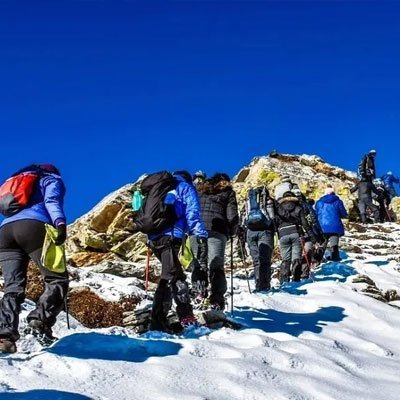
Ascend the stone switchbacks on foot or horseback to attend prayer ceremonies and sip hot tea beside the frozen glacial lake of Hemkund.
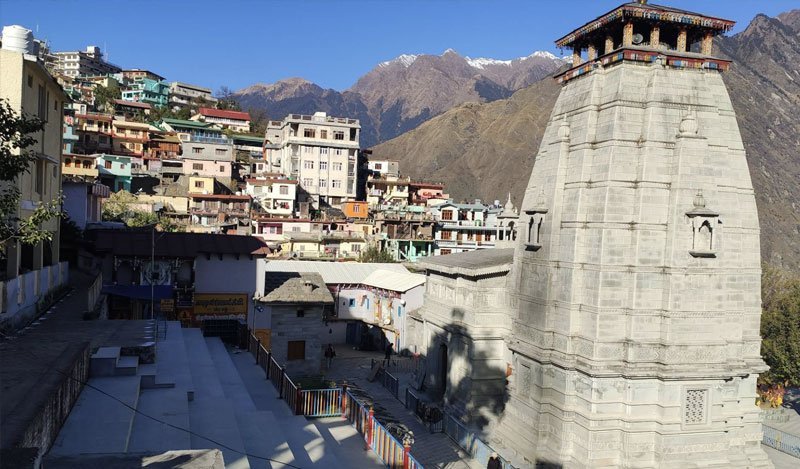
Experience the profound humility and warmth of partaking in piping-hot dal, roti, and kheer served at Gurudwara Govind Dham.
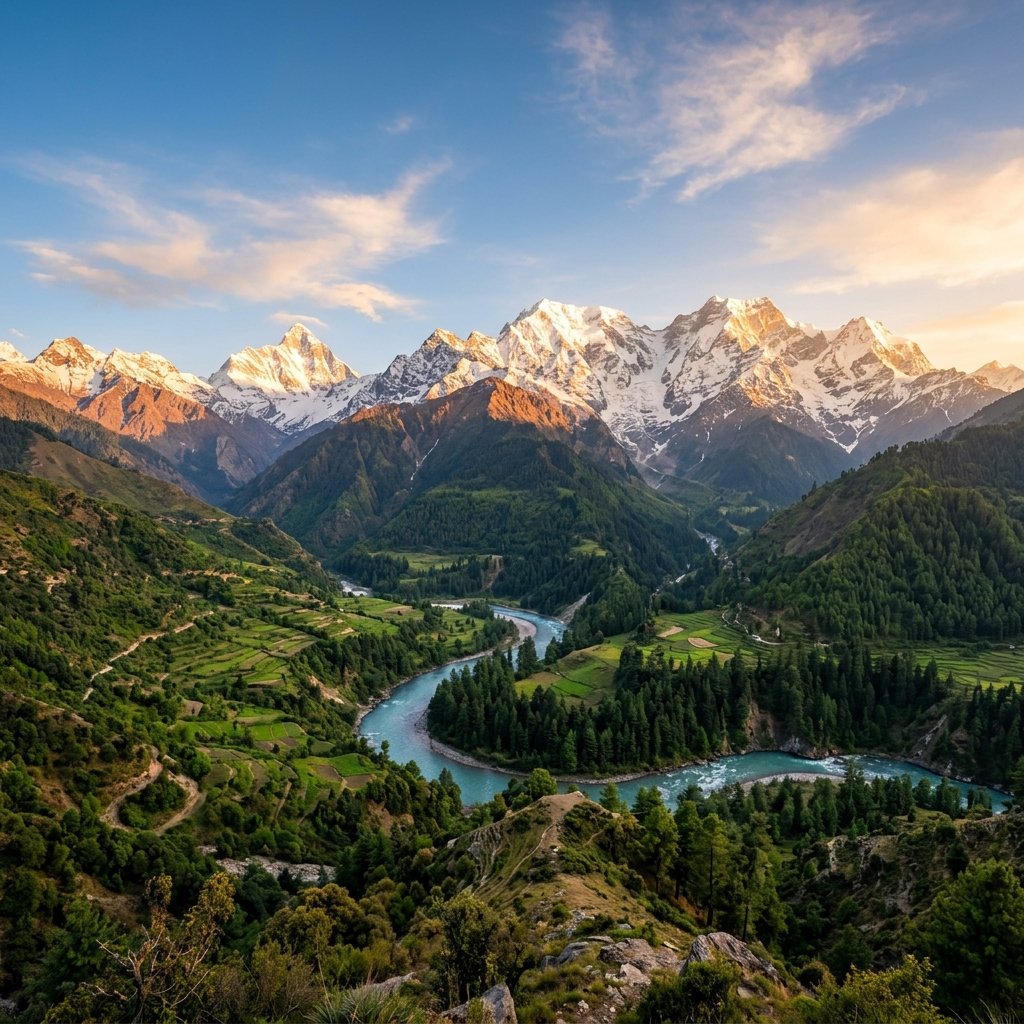
Spot Himalayan monals, rosefinches, laughingthrushes, and musk deer grazing amidst mist-drenched birch groves in early morning light.
Nature
Spiritual
Heritage
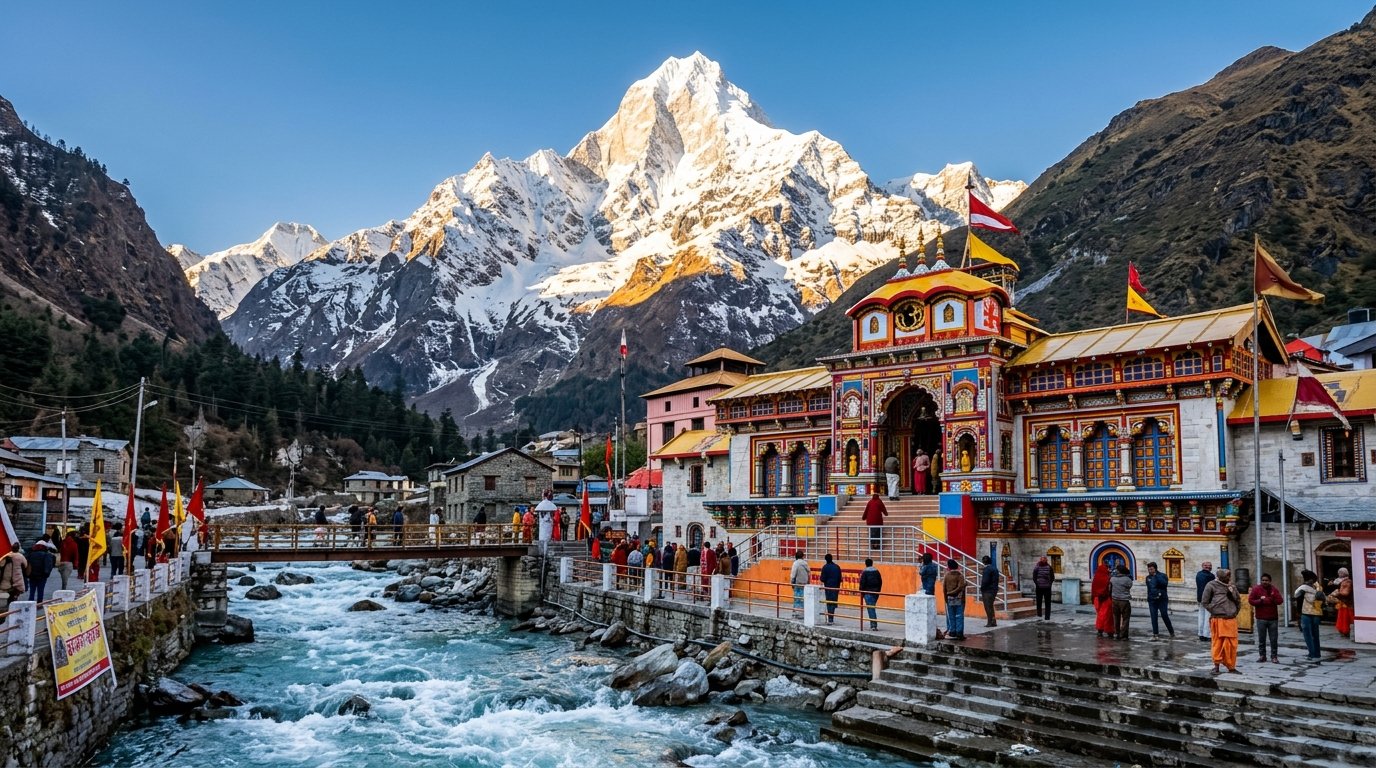 Spiritual
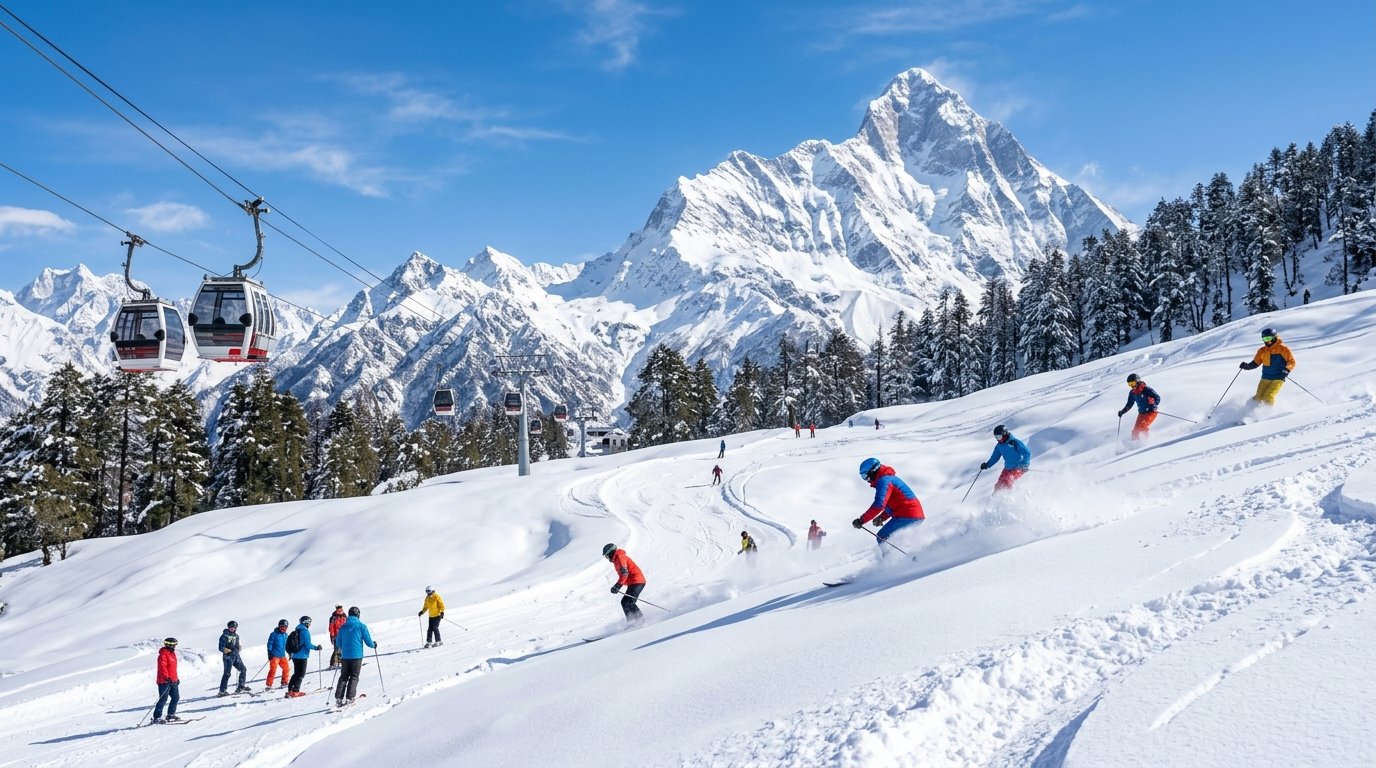 Adventure
Heritage
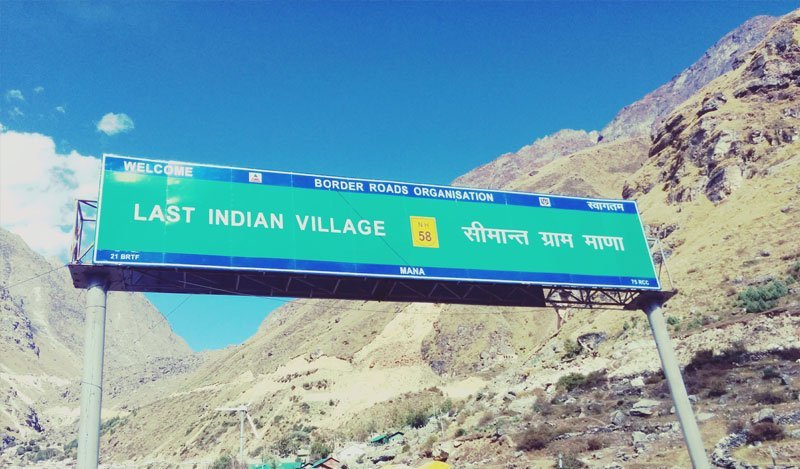 Adventure
Nature
Spiritual
 Heritage
 Adventure
Nature
No Staying Inside Valley of Flowers: Overnight camping is strictly forbidden inside the Valley of Flowers National Park. All visitors must return to Ghangaria before 5:00 PM.
Helicopter Service to Ghangaria: Passenger helicopters operate between Govindghat and Ghangaria during fair weather, flying the distance in just 8 minutes for elderly travelers and those with mobility challenges.
Hire Ponies or Porters at Govindghat: Mules, ponies, and palanquins (doli) can be hired at official government rate counters in Govindghat or Poolna for the steep trek to Ghangaria and Hemkund.
Carry Waterproof Rain Ponchos: During July and August (peak flower blooming season), sudden mountain showers are daily occurrences. Waterproof trekking shoes, gaiters, and ponchos are mandatory.
Cash Only in Ghangaria: There are no functional ATMs in Ghangaria. Card swipe machines and UPI fail frequently due to erratic satellite network. Carry sufficient cash from Joshimath.
Electricity & Hot Water: Lodges in Ghangaria rely on limited generator power and solar heaters. Bucket hot water is supplied for a small fee; charge mobile devices whenever power is available.
Frequently asked questions on Ghangaria: trek logistics, helicopter flights, Valley of Flowers, and hotels.
Ghangaria is an extraordinary mountain crossroads where human devotion meets the raw sublimity of the high Himalayas. Stepping onto its mist-swirled stone lanes after a long climb along the roaring river, with the promise of blooming celestial meadows and sacred glacial peaks awaiting at dawn, one feels the true magic of Devbhumi.
Start Planning Your Trip →Explore More: Valley of Flowers & High Chamoli