India’s First Village & Indo-Tibetan Heritage

Mana Village

The Legendary Indo-Tibetan Border Settlement Steeped in Epic Mahabharata Lore (3,200m)

Altitude
3,200 m (10,498 ft)
Origin / Era
Ancient Trans-Himalayan Settlement
Distance
3.2 km North of Badrinath Temple
Timings
Sunrise to Sunset (Daylight Hours Recommended)
Home  ›  Destinations  ›  Badrinath  ›  Attractions  ›  Mana Village
3,200m
Village Altitude
3.2 km
From Badrinath
1st
Designated Village of India
Comprehensive Guide

The historic threshold of India where ancient Vedic epics were penned amidst rugged granite canyons

Nestled on the banks of the Saraswati River just 3.2 kilometres north of Badrinath, Mana is an enchanting high-altitude hamlet officially designated by the Government of India as the "First Village of India" (formerly called the last village before the international border). Situated at an altitude of 3,200 metres, Mana sits just 24 kilometres south of the high Mana Pass (Dungri La) leading into Tibet. It is inhabited by the resilient indigenous Bhotia community (Marchhas), skilled pastoralists, traders, and master wool weavers.

Mana is a living museum of Mahabharata mythology. According to sacred lore, it was through this very village that the Pandava brothers, accompanied by Draupadi, embarked on their final heavenly ascent (Swargarohini). Ancient slate-roofed stone cottages cling to the steep terraces, flanked by fields of kidney beans, barley, and potatoes. Cobblestone alleyways lead visitors past historical caves, sacred water springs, and rustic wooden tea shops where steam from hot chai mingles with crisp Himalayan winds.

The village serves as the trail-head for legendary trekking routes into the Inner Himalayas, including the 5 km hike to Vasudhara Falls and expeditions onward to Satopanth Swargarohini Lake. Mana’s artisans are celebrated across Uttarakhand for hand-crafting dense tweed blankets (Pankhi), warm shawls (Chutka), raw wool carpets (Dan), and harvesting aromatic medicinal herbs like Himalayan birch bark (Bhojpatra) and dry saffron.

Key Highlights & Features

Official First Village of India
A proud national landmark welcoming visitors with iconic milestone signs and warm Bhotia mountain hospitality.
Epic Mahabharata Trail
Dotted with hallowed sites including Vyas Gufa, Ganesh Gufa, Bheem Pul, and the origin spring of the Saraswati River.
Handmade Bhotia Woolens
Shop authentic sheep-wool mufflers, hand-knitted caps, pure tweed shawls, and organic rajma directly from local weavers.
India’s First Tea Shop
Sip hot cardamom tea, ginger brews, and Pahadi Maggi at the famous wooden border stalls overlooking mountain chasms.

Top Things to Do & Experiences

01

Walk the Ancient Stone Alleys

Stroll through the narrow pathways between wooden-carved balconies and stone-paved courtyards of the Bhotia families.

02

Hike to Bheem Pul & Saraswati Origin

Walk 10 minutes from the village square to witness the roaring Saraswati river surge from under a monolithic rock bridge.

03

Visit India’s First Tea Stalls

Enjoy a hot snack and capture iconic souvenir photos beside the colorful milestone signs marking the border gateway.

04

Purchase Handwoven Souvenirs

Buy authentic Bhojpatra calligraphy, pure wool socks, wild mountain herbs, and local dried apples supporting village artisans.
Transit & Connectivity

How to Reach Mana Village

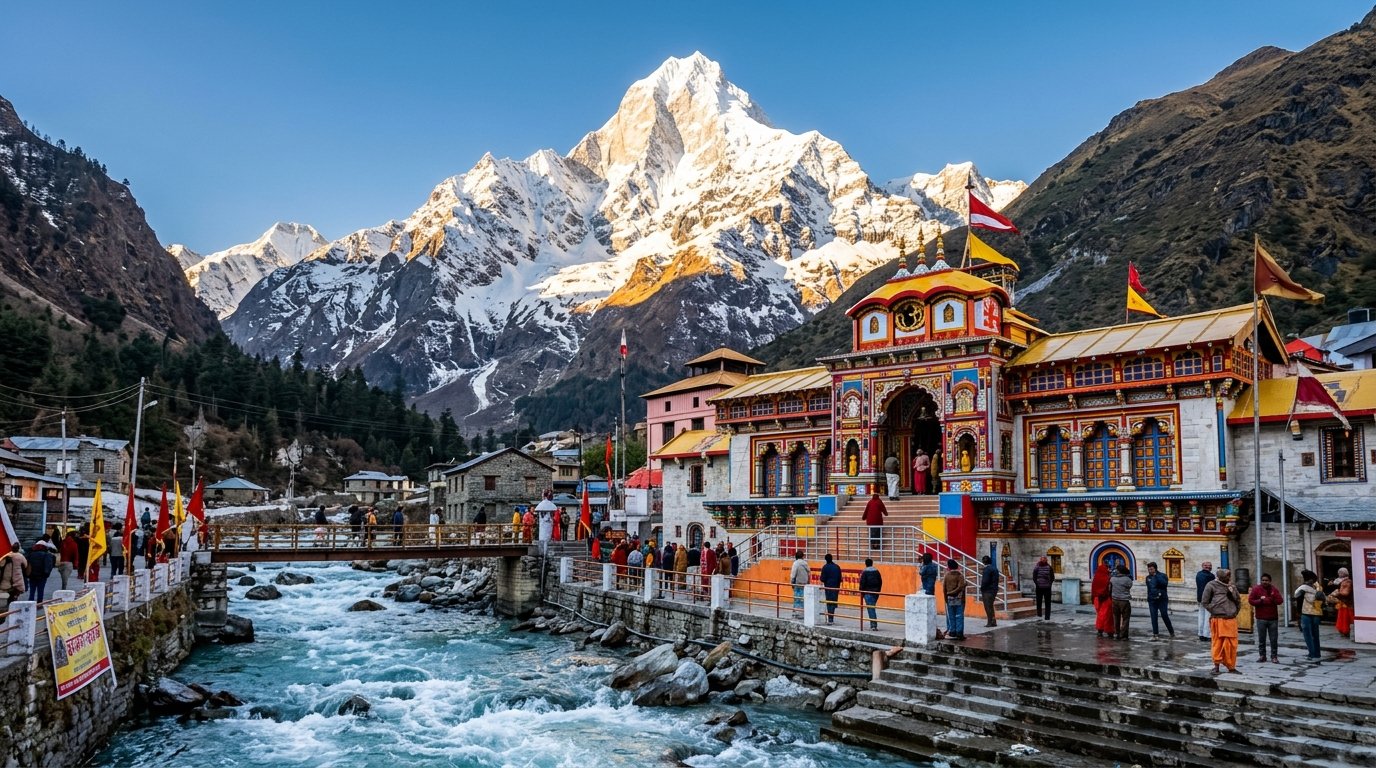
Accessible through scenic Garhwal highways connecting Rishikesh, Devprayag, Rudraprayag, and Joshimath along the national highway network.

By Air (Flight / Helicopter)

Jolly Grant Airport, Dehradun is 317 km away via NH-7 to Badrinath.

By Railway

Rishikesh railway station is 298 km away, with shared jeeps and private taxis available directly to Badrinath.

By Road & Trail

Mana is connected to Badrinath via an asphalt border road (3.2 km). Shared jeeps, e-rickshaws, and private cars take just 10 minutes.

Key Distances from Base

Badrinath Temple 3.2 km
Bheem Pul 800 metres
Vyas Gufa 500 metres
Vasudhara Falls 5 km trek
Joshimath 48 km
Rishikesh 298 km
Pilgrim Essentials

Essential Tips for Visiting

Morning Visits for Clear Skies

Afternoon winds can pick up significantly in the gorge; visit Mana between 9:00 AM and 2:00 PM for calm sunshine.

Comfortable Walking Shoes

The village consists of stone steps, cobblestone ramps, and uneven dirt trails; wear grippy walking shoes.

Carry Cash for Local Buys

Digital UPI payments can be erratic due to intermittent mobile network coverage at the border; carry sufficient paper cash.

Respect Village Heritage

Mana is a fragile cultural heritage ecosystem; do not litter plastic bottles and request permission before photographing elders.

Frequently Asked Questions

Frequently Asked Questions

Common questions regarding darshan, routes, high-altitude logistics, and seasonal preparation.

Formerly called the "Last Indian Village", Prime Minister Narendra Modi designated it the "First Indian Village" in 2022 to honour border communities.
Mana is located just 3.2 kilometres north of Badrinath, taking approximately 10 to 15 minutes by vehicle or a scenic 45-minute walk.
No. Heavy snowfall buries the village in 6 to 10 feet of snow from November to April. Residents migrate to lower winter settlements near Joshimath.
Indian citizens do not require permits to visit Mana village and Bheem Pul. Foreign nationals may need registration at the police post.