Vedic Literary & Mythological Sanctuary

Vyas Gufa & Ganesh Gufa

The Sacred 5,000-Year-Old Rock Caverns Where Sage Vyas Composed the Mahabharata

Altitude
3,210 m (10,531 ft)
Origin / Era
Ancient Natural Rock Sanctuary (Over 5,000 Years)
Distance
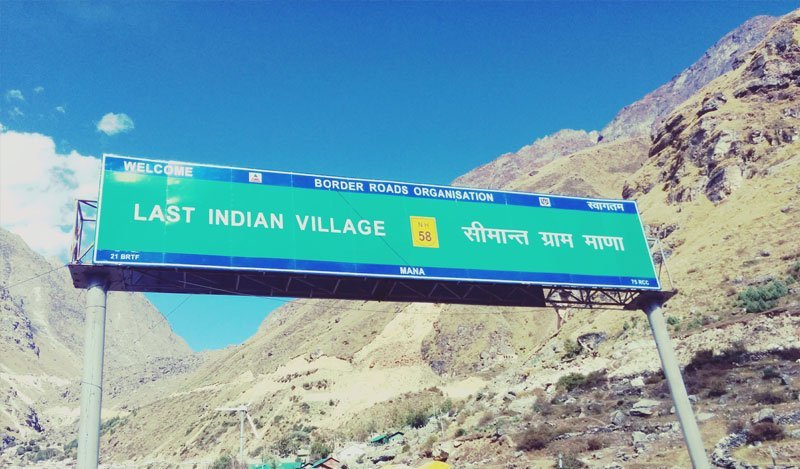
Inside Mana Village (3.2 km from Badrinath)
Timings
7:00 AM – 6:00 PM Daily
Home  ›  Destinations  ›  Badrinath  ›  Attractions  ›  Vyas Gufa & Ganesh Gufa
3,210m
Cave Elevation
5,000+ Yrs
Vedic Antiquity
100,000
Verses Composed
Comprehensive Guide

The sacred stone cavern where the world’s longest epic was dictated and transcribed in divine communion

Perched upon a gentle stone ridge at the upper edge of Mana Village, Vyas Gufa (Cave of Sage Vyas) is one of the most hallowed spiritual pilgrimage sites in all of Hinduism. According to timeless Vedic history, it was inside this very rock cavern over five thousand years ago that the great sage Maharishi Ved Vyas composed the colossal epic Mahabharata, encompassing over one hundred thousand verses, along with the eighteen Mahapuranas, the Brahma Sutras, and the four Vedas.

The geological uniqueness of Vyas Gufa is deeply astonishing. The sloping natural rock ceiling directly above the cave entrance features thin, horizontal sedimentary rock strata that remarkably resemble stacked layers of ancient palm-leaf manuscripts. Pilgrims revere this geological formation as "Vyas Pothi" (the petrified book of Vyas), believing it to be the physical embodiment of the master manuscript preserved in stone for eternity. Inside the cool cave, a small shrine enshrines an idol of Sage Vyas with a perpetually burning holy flame (Akhand Dhuni).

Just a short five-minute walk downhill within Mana lies the complementary sanctuary of Ganesh Gufa. Legend recounts that when Vyas sought a scribe capable of writing down the Mahabharata without pause, Lord Brahma directed him to Lord Ganesha. Ganesha agreed on the condition that Vyas dictate without stopping, while Vyas countered that Ganesha must fully comprehend every verse before writing it down. In Ganesh Gufa, the elephant-headed deity sat scribing with his broken tusk as Vyas chanted from above.

Key Highlights & Features

Birthplace of the Mahabharata
The authentic, venerated cavern where humanity’s most profound philosophical epic and the Bhagavad Gita were composed.
The Petrified Vyas Pothi Roof
A natural sedimentary rock ceiling astonishingly resembling stacked layers of palm-leaf manuscripts.
Perpetual Akhand Dhuni Flame
A sacred holy fire tended by resident ascetics inside the sanctum radiating divine warmth and incense.
Twin Scribe Sanctuary (Ganesh Gufa)
The sister cave located nearby where Lord Ganesha transcribed the divine dictation with his sacred broken tusk.

Top Things to Do & Experiences

01

Seek Blessings at Vyas Shrine

Enter the sanctum of Vyas Gufa, receive sacred holy ash (bhasma) and charanamrit from the resident ascetic sadhus.

02

Inspect the Vyas Pothi Formations

Examine the intricate layered stone slabs above the cave threshold that match ancient manuscript pages.

03

Meditate in Ganesh Gufa Cavern

Spend peaceful moments in silent dhyana inside the naturally sheltered sanctuary of Lord Ganesha.

04

Panoramic View of Mana Terraces

Admire sweeping views of Mana’s slate roofs, potato fields, and the Alaknanda canyon from the cave terrace.
Transit & Connectivity

How to Reach Vyas Gufa & Ganesh Gufa

Accessible through scenic Garhwal highways connecting Rishikesh, Devprayag, Rudraprayag, and Joshimath along the national highway network.

By Air (Flight / Helicopter)

Jolly Grant Airport, Dehradun is 317 km away via NH-7 to Badrinath.

By Railway

Rishikesh railway station is 298 km away, with taxis and buses connecting to Badrinath.

By Road & Trail

Drive 3.2 km from Badrinath to Mana Village. Follow the clearly signposted stone steps 200 metres upward from the main village pathway.

Key Distances from Base

Mana Village Center 200 metres
Ganesh Gufa 300 metres
Bheem Pul 600 metres
Badrinath Temple 3.5 km
Joshimath 48 km
Rishikesh 298 km
Pilgrim Essentials

Essential Tips for Visiting

Remove Shoes Outside Cave

Vyas Gufa is an active sanctum; remove your shoes at the stone entrance platform before stepping inside.

Low Cave Ceiling Caution

The rock entryway is naturally low and narrow; mind your head as you stoop to enter the inner chamber.

Maintain Reverent Silence

Devotees frequently meditate inside the cavern; avoid loud talking, cell phone rings, or intrusive flash photography.

Combine with Mana Sights

Visit Vyas Gufa, Ganesh Gufa, and Bheem Pul together as a unified 2-hour walking circuit through Mana.

Frequently Asked Questions

Frequently Asked Questions

Common questions regarding darshan, routes, high-altitude logistics, and seasonal preparation.

The natural rock roof features unique stone layering that looks like hundreds of stacked palm manuscripts, revered as "Vyas Pothi".
Ganesh Gufa is located roughly 250 to 300 metres downhill from Vyas Gufa along the paved stone village path in Mana.
No, entry to both Vyas Gufa and Ganesh Gufa is completely free. Voluntary donations can be placed in the shrine hundi.
Yes, pilgrims are welcome to sit quietly for a few minutes in the cave chamber to soak in the powerful spiritual ambiance.