Supreme Sacred Ancestral Salvation Ghat

Brahma Kapal Ghat

The Sacred Alaknanda River Platform Where Pind Daan Grants Eternal Moksha to Ancestors

Altitude
3,125 m (10,253 ft)
Origin / Era
Ancient Stone Riverbank Platform
Distance
100 Metres North of Badrinath Temple
Timings
6:00 AM – 5:00 PM Daily (Rituals Best in Forenoon)
Home  ›  Destinations  ›  Badrinath  ›  Attractions  ›  Brahma Kapal Ghat
3,125m
Ghat Altitude
100m
From Main Temple
1 Time
Final Shraddha Ritual
Comprehensive Guide

The ultimate holy ghat where ancestral souls attain permanent liberation from the cycle of rebirth

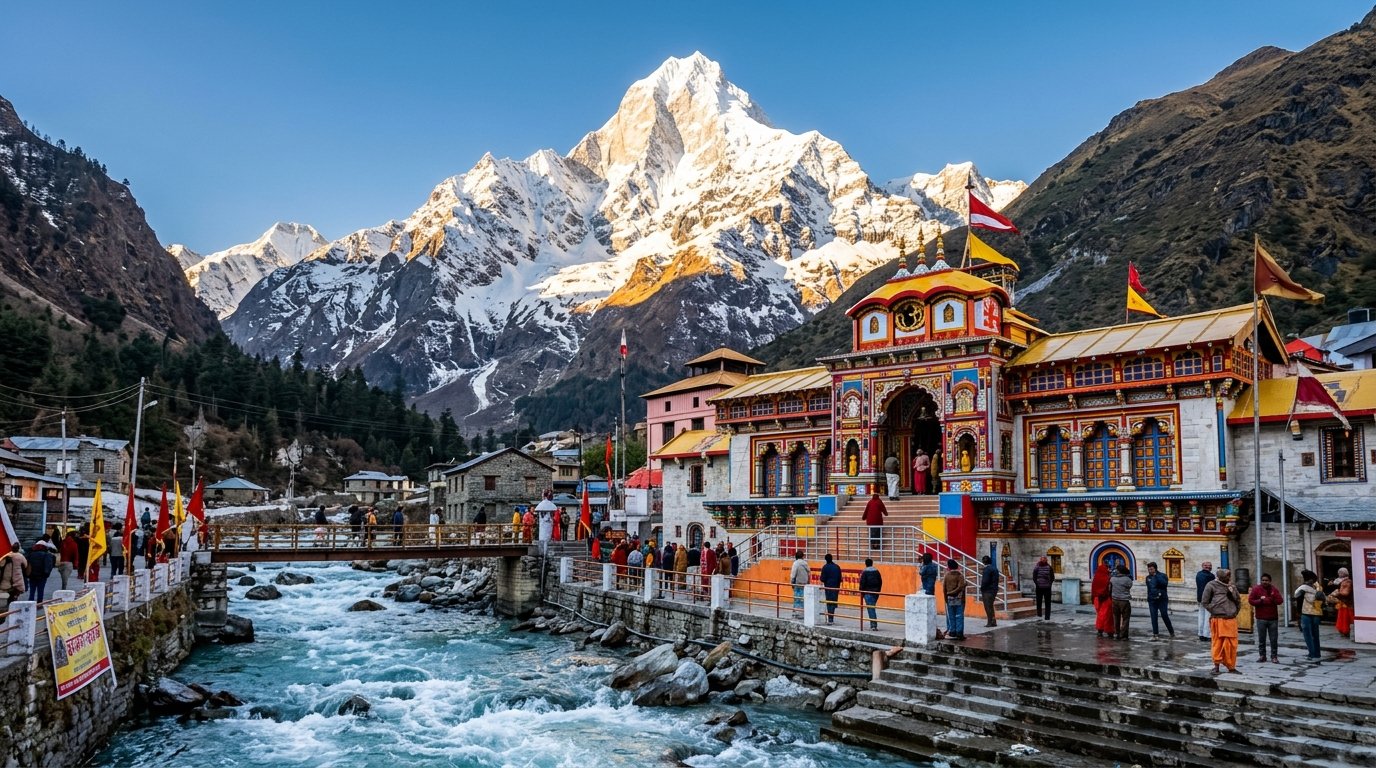
Nestled on the serene banks of the emerald Alaknanda River just a hundred metres upstream from the main Badrinath Temple, Brahma Kapal is revered across Sanatana Dharma as the supreme pilgrimage site on Earth for performing Shraddha, Tarpan, and Pind Daan rituals for departed ancestors (Pitrus). It features a flat, sacred stone platform directly touching the river waters where thousands of pilgrims gather daily to offer cooked rice and barley pindas under the guidance of certified Badrinath Teerth Purohits.

The origin of Brahma Kapal is anchored in profound Puranic lore. When Lord Shiva severed the fifth head of Lord Brahma in cosmic wrath, the severed skull (Kapal) became magnetically fused to Shiva’s hand as retribution for the sin of Brahma-hatya. Wandering across all realms unable to detach it, Shiva finally reached the sacred threshold of Badrikashram. The moment Shiva set foot upon this riverside stone, the skull detached and dropped to the ground, washing away all residual guilt. Lord Vishnu declared that any soul for whom rites are performed here shall attain instant and irreversible Moksha.

By deep-rooted tradition, performing Pind Daan at Brahma Kapal is the ultimate and concluding ancestral rite in a Hindu’s life. Unlike other sacred ghats such as Gaya or Varanasi where rituals can be performed repeatedly, Pind Daan performed once at Brahma Kapal is considered permanent—the ancestors are believed to transcend Pitru Loka and merge into Vaikuntha, eliminating the requirement for any further annual Shraddha ceremonies.

Key Highlights & Features

Supreme Site for Moksha
Revered as the final and most powerful location in Sanatana Dharma to liberate deceased family ancestors permanently.
One-Time Eternal Pind Daan
Rites performed here once release ancestors forever, sanctifying eight generations of maternal and paternal lineages.
Shiva’s Liberation Legend
The mythological ground where Lord Shiva was freed from the cosmic sin of Brahma-hatya when Brahma’s skull dropped.
Sacred Alaknanda Immersion
The cooked pindas are immersed directly into the pristine, ice-cold Alaknanda currents flowing beside the platform.

Top Things to Do & Experiences

01

Perform Ancestral Pind Daan

Engage a certified Badrinath panda/purohit to conduct the 45-minute Vedic rituals with barley flour, sesame seeds, and sacred kusha grass.

02

Offer Tarpan Water Rituals

Stand knee-deep in the holy river to offer libations of water and black sesame seeds to the solar deities and ancestral lines.

03

Participate During Pitru Paksha

Experience the heightened spiritual energy during the annual fortnight of Pitru Paksha (September–October) when thousands congregate.

04

Riverside Silent Contemplation

Sit by the peaceful riverbanks after rites, absorbing the profound spiritual solace of fulfilling duties toward departed forebears.
Transit & Connectivity

How to Reach Brahma Kapal Ghat

Accessible through scenic Garhwal highways connecting Rishikesh, Devprayag, Rudraprayag, and Joshimath along the national highway network.

By Air (Flight / Helicopter)

Jolly Grant Airport, Dehradun is 314 km away via NH-7 to Badrinath.

By Railway

Rishikesh railway station is 295 km away. Frequent taxis and state transport buses run to Badrinath bus stand.

By Road & Trail

From Badrinath Temple or the main bazaar, walk just 100 metres northward along the paved stone embankment beside the river.

Key Distances from Base

Badrinath Temple 100 metres
Tapt Kund 120 metres
Badrinath Bus Stand 400 metres
Mana Village 3.1 km
Joshimath 45 km
Rishikesh 295 km
Pilgrim Essentials

Essential Tips for Visiting

Carry Family Gotra & Names

Note down the names and gotras of your maternal and paternal ancestors beforehand to provide accurately to the performing priest.

Morning Forenoon Hours are Best

Ancestral Shraddha rituals are traditionally conducted between 7:00 AM and 12:00 noon before midday meals.

Agree on Dakshina Upfront

Speak respectfully with the designated family purohit and clarify the dakshina (offering) and puja material costs beforehand.

Wear Traditional Attire

Men traditionally perform rites wearing an unstitched white dhoti and angavastram; clothing stalls near the ghat provide these.

Frequently Asked Questions

Frequently Asked Questions

Common questions regarding darshan, routes, high-altitude logistics, and seasonal preparation.

Scriptures state that ancestors receive permanent liberation (Moksha) at Brahma Kapal, so no further annual Pind Daan is required thereafter.
Yes, any devotee wishing to honor and liberate their deceased parents, grandparents, or extended ancestors can perform rites here.
The complete Vedic ceremony, including mantra chanting, preparation of pindas, and river immersion, typically takes 45 to 60 minutes.
It is accessible during the six months Badrinath Temple is open (May to November). In winter, the riverbank is buried under heavy snow.