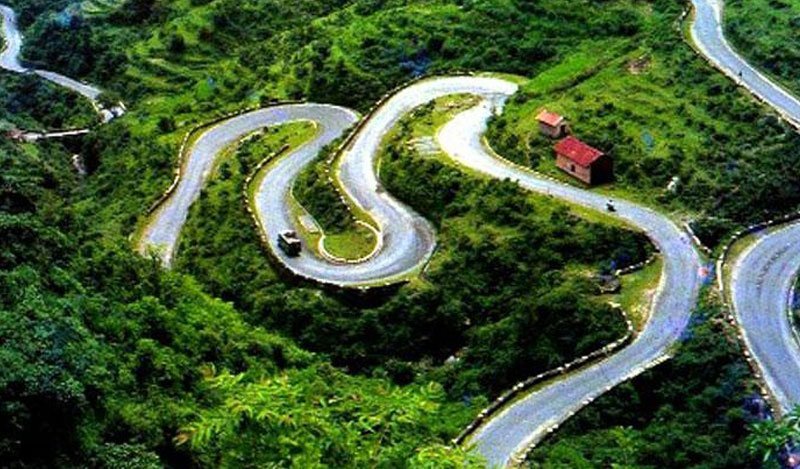
Summer
March – June
20°C – 40°C (Prime for waterhole sightings)
Animals congregate around riverbeds and waterholes, providing outstanding opportunities for tiger, leopard, and elephant photography.
Premier Elephant & Tiger Habitat in the Shivalik Foothills
Spanning 820 square kilometers across the scenic junction of Haridwar, Dehradun, and Pauri Garhwal districts along the foothills of the outer Shivalik Himalayas, Rajaji National Park (designated a Project Tiger Reserve in 2015) is one of northern India's greatest and most accessible ecological sanctuaries. Formed in 1983 by amalgamating three historical wildlife sanctuaries — Rajaji, Motichur, and Chilla — it is named in honoring remembrance of the eminent freedom fighter and independent India's second Governor-General, C. Rajagopalachari.
Renowned primarily as the north-westernmost limit of the endangered Asian Elephant (Elephas maximus) in India, Rajaji is crisscrossed by the holy Ganga and Song rivers, creating lush riparian corridors, sal woodlands, broadleaf mixed forests, and sprawling riverbed grasslands (chaurs). Beyond its herd of over 500 wild elephants, the park shelters Royal Bengal tigers, leopards, striped hyenas, sloth bears, sambar, spotted deer, barking deer, and wild boars.
For bird enthusiasts, Rajaji represents a dream haven with more than 315 documented avian species, including the Great Pied Hornbill, crested serpent eagle, Pallas's fish eagle, and numerous winter waterfowl along the Ganga riverbanks. With well-regulated entry gates at Chilla, Motichur, and Ranipur, visitors can embark on exhilarating open-top 4x4 Jeep safaris deep into the sal jungle just minutes away from the spiritual ghats of Haridwar and Rishikesh.
Animals congregate around riverbeds and waterholes, providing outstanding opportunities for tiger, leopard, and elephant photography.
Vital breeding period and forest rejuvenation. Most core zones remain closed to protect wildlife and allow track regeneration.
The most pleasant weather with cool morning mist, crystal clear skies, active daylight wildlife movement, and hundreds of migratory birds.
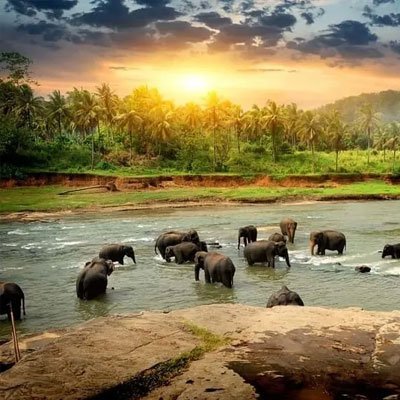 Elephant & Tiger Safari
01
 Dense Sal Jungle
02
 Riparian Wildlife Haven
03
 Swamp Deer Sanctuary
04
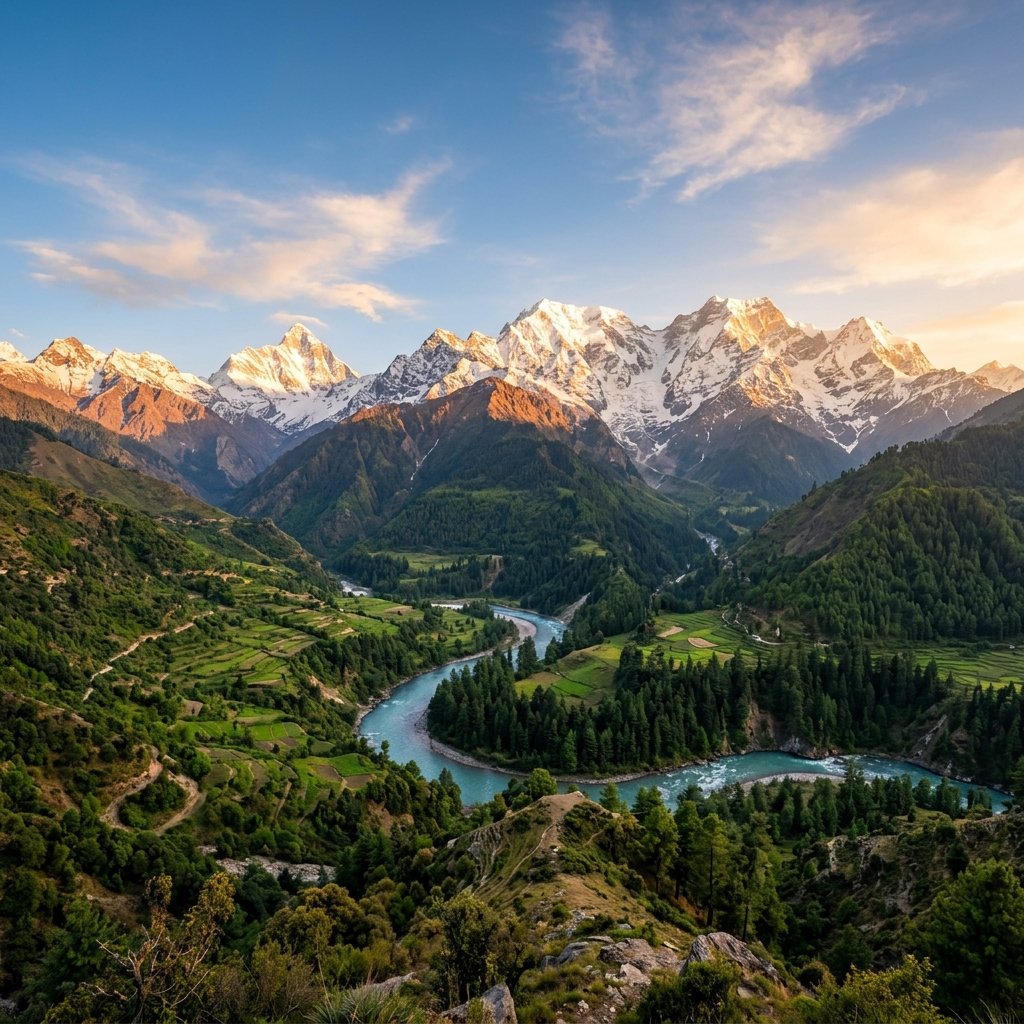 Open Grassland & Birding
05
Traverse rugged forest tracks with certified naturalists tracking tiger pugmarks, elephant herds, and spotted deer.
Spot hornbills, kingfishers, and migratory river birds along the forested riverbanks and Chilla canal.
Experience atmospheric British-era colonial rest houses surrounded by the symphony of nocturnal jungle sounds.
Pair your morning wilderness safari with evening Ganga Aarti at Har Ki Pauri or Parmarth Niketan.
Book Safaris in Advance: Morning and afternoon Gypsy permits for Chilla and Motichur should be reserved online through the Uttarakhand Forest portal.
Best Season for Sightings: March to June is prime for elephant and tiger sightings near waterholes, while November to February offers the best birdwatching.
Wear Muted Clothing: Wear khaki, beige, or olive green shades; bright colors alarm wild animals and disrupt safari tracking.
Stay Safe Around Elephants: Always respect the safe distance guidelines given by your forest guide, especially when encountering solitary bulls or family herds.
Gate Timings & Shifts: Safaris operate in two daily shifts: sunrise (6:00 AM – 9:30 AM) and late afternoon (2:30 PM – 5:30 PM).
Carry Valid Photo ID: Government-approved photo identification matching your permit is strictly required at entry gates.
Essential safari permits, zone details, best visiting seasons, and wildlife advice for Rajaji National Park.
From the awe-inspiring sight of majestic elephant herds traversing Shivalik sal forests to the tranquil rustle of the sacred Ganga corridor at sunset, Rajaji National Park offers an unforgettable wildlife encounter just moments from Uttarakhand's holy river cities. Pack light, keep silent, and let the wilderness captivate your senses.
Start Planning Your Trip →Explore More: Garhwal Wildlife & Parks