Summer
March – June
12°C – 25°C (Ideal for trekking & alpine bugyal visits)
Animals congregate around riverbeds and waterholes, providing outstanding opportunities for tiger, leopard, and elephant photography.
Himalayan Musk Deer & High-Altitude Alpine Biodiversity Haven
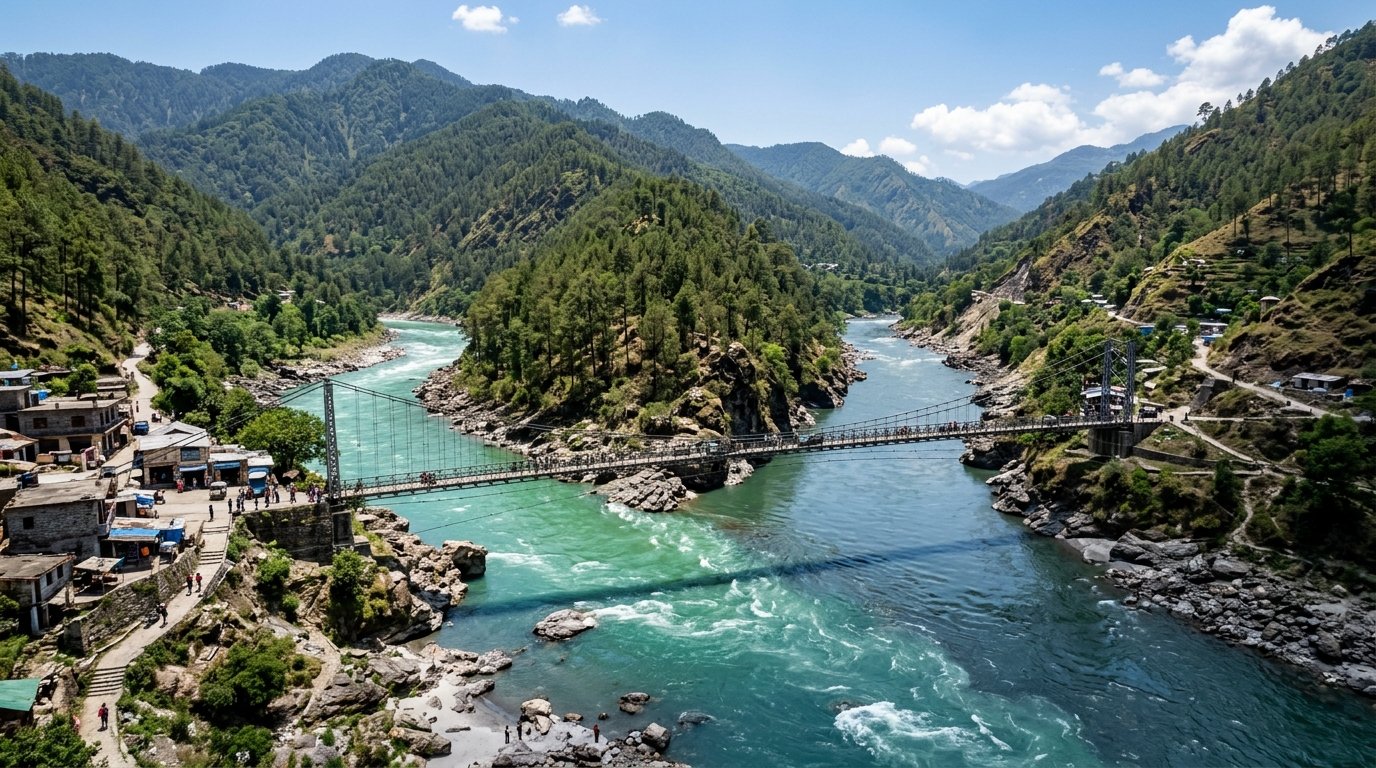
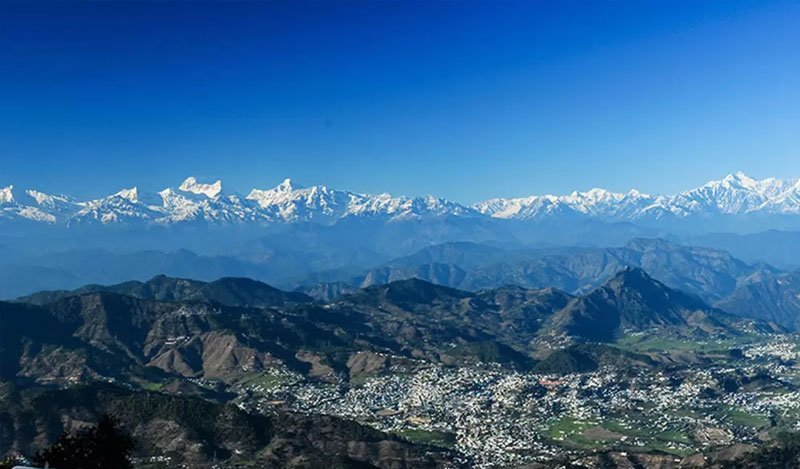
Perched majestically amidst the snow-crested eastern ramparts of the Kumaon Himalayas in Pithoragarh district, Askot Wildlife Sanctuary (also celebrated as the Askot Musk Deer Sanctuary) is one of India's most ecologically diverse high-altitude biosphere sanctuaries. Covering approximately 600 square kilometers, the sanctuary boasts an astonishing vertical altitudinal gradient extending from 600 meters in the subtropical river valleys up to a staggering 6,905 meters at the glaciated summit of Panchachuli peak.
Founded in 1986 with the prime objective of protecting the critically endangered and poaching-threatened Himalayan Musk Deer (Moschus chrysogaster, locally revered as Kasturi Mrig), Askot harbors one of the species' most vital natural breeding habitats. The sanctuary's pristine eco-zones transition from dense sal and pine groves to temperate oak-rhododendron canopies, sub-alpine birch forests, and expansive high-altitude alpine meadows (bugyals) carpeted with rare medicinal herbs like Brahma Kamal and Cordyceps.
Beyond musk deer, Askot is a secretive realm for apex predators including the elusive Snow Leopard, Himalayan Black Bear, Indian Leopard, Serow, Goral, Himalayan Tahr, and Bharal (Blue Sheep). The skies and canopies host majestic avian species like the Himalayan Monal, Cheer Pheasant, and Lammergeier bearded vulture. Combined with the historic royal charm of Askot town and breath-taking views of the Nepal border valleys along the roaring Kali River, the sanctuary is an unblemished dream for trekkers, naturalists, and wildlife photographers.
Animals congregate around riverbeds and waterholes, providing outstanding opportunities for tiger, leopard, and elephant photography.
Vital breeding period and forest rejuvenation. Most core zones remain closed to protect wildlife and allow track regeneration.
The most pleasant weather with cool morning mist, crystal clear skies, active daylight wildlife movement, and hundreds of migratory birds.

Trek with experienced local Kumaoni forest guides to observe musk deer, monals, and Himalayan tahr in their natural habitat.

Spot the brilliant rainbow hues of the Himalayan Monal, Koklass Pheasant, and soaring Golden Eagles.
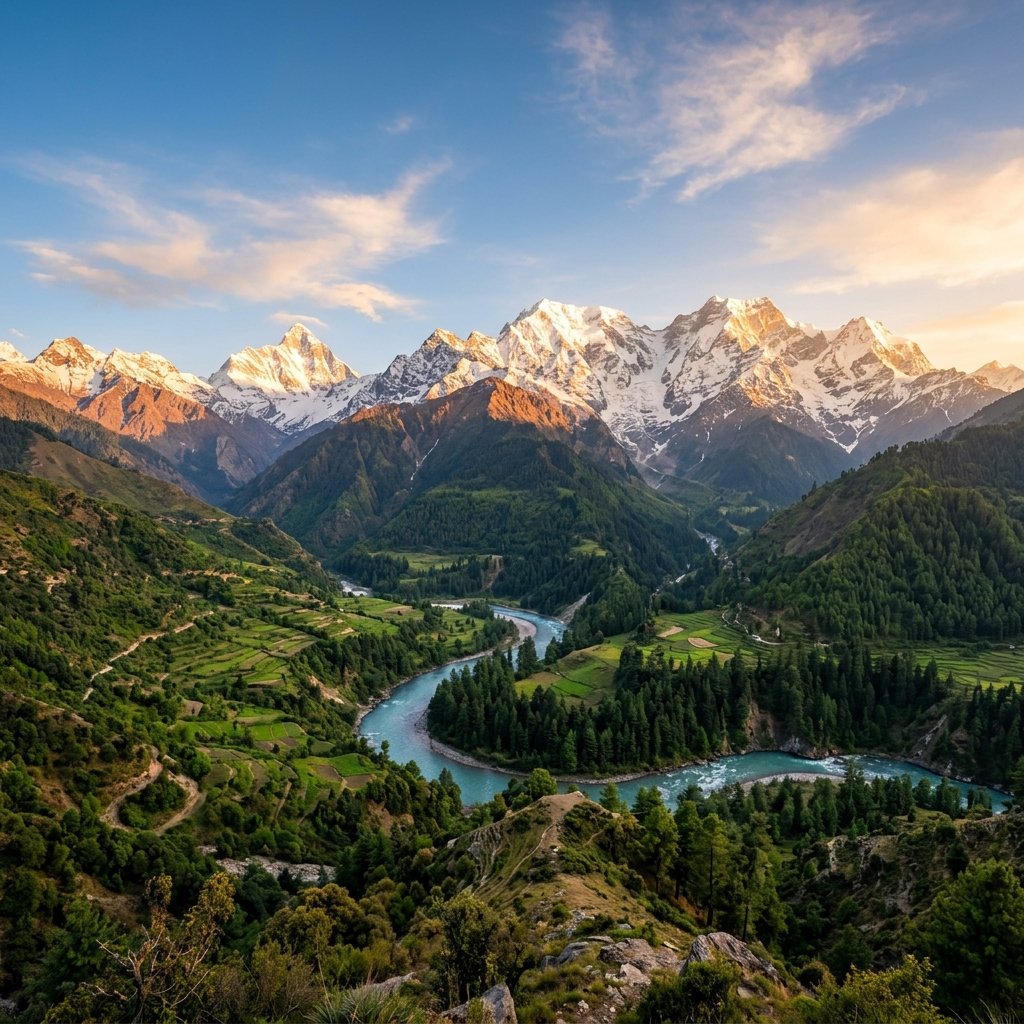
Embark on multi-day wilderness expeditions through pristine oak forests to untouched alpine lakes and ridge viewpoints.

Experience the rich cultural heritage, wool weaving, and local markets along the Kali River border with Nepal.
Permits Required: Inner Line and Forest Department permits are required for trekking into the high-altitude zones beyond Askot town.
Best Visiting Months: April to June and September to November offer clear mountain skies, pleasant temperatures, and reliable trekking paths.
Hire Local Guides: Navigating the dense high-altitude trails requires experienced local guides familiar with terrain and wildlife corridors.
Pack Cold-Weather Layers: High-altitude nights are freezing year-round; carry heavy woolens, windproof shells, and waterproof trekking boots.
Cash & Fuel Preparation: Withdraw sufficient cash and refuel in Pithoragarh or Didihat, as banking facilities in remote mountain reaches are limited.
Respect Wildlife Corridors: Maintain strict silence near musk deer habitats and follow Leave No Trace principles to protect this fragile sanctuary.
Essential safari permits, zone details, best visiting seasons, and wildlife advice for Askot Wildlife Sanctuary.
From the scent of alpine pines in the shadow of Panchachuli to the rare glimpse of a Himalayan Musk Deer leaping across misty rhododendron crags, Askot Wildlife Sanctuary represents Uttarakhand at its wildest and most sublime. Journey with reverence and discover Kumaon's pristine highland soul.
Start Planning Your Trip →Explore More: Kumaon Wildlife & Parks