Overview & Significance
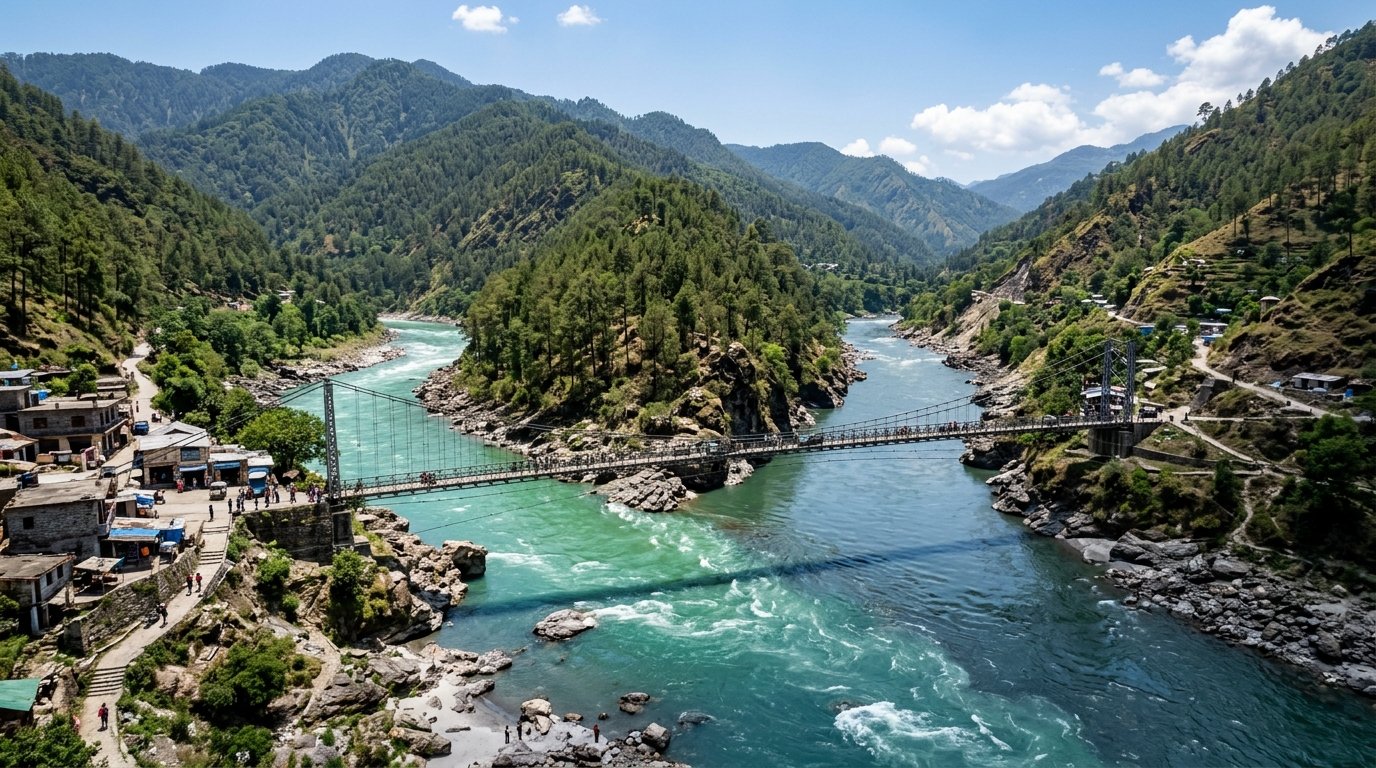
Commanding a dramatic panoramic ridge overlooking the serpentine bends of the Gori Ganga and Kali rivers, the Askot Royal Palace & Rajbar Forts stand as the enduring testament to eight centuries of royal sovereignty in the eastern borderlands of Kumaon. Known locally as the Rajbar, this historic palace citadel was the administrative and cultural seat of the illustrious Pal dynasty, direct royal scions of the great medieval Katyuri Empire who ruled northern India and the Himalayas from the 8th through the 12th centuries.
When the centralized Katyuri empire fractured into regional principalities around 1279 CE, King Abhay Pal, a grandson of Katyuri Emperor Brahmadeo, marched eastward into the remote mountains of Pithoragarh. Marveling at the eighty natural hill-forts (Assi Kot, which gradually evolved into the modern name Askot) dotting the mountainous terrain between the Kali and Gori rivers, Abhay Pal established an independent hill kingdom that successfully navigated centuries of geopolitical shifts between the Chand Rajas of Almora, the Doti kingdom of western Nepal, and the Gorkhas.
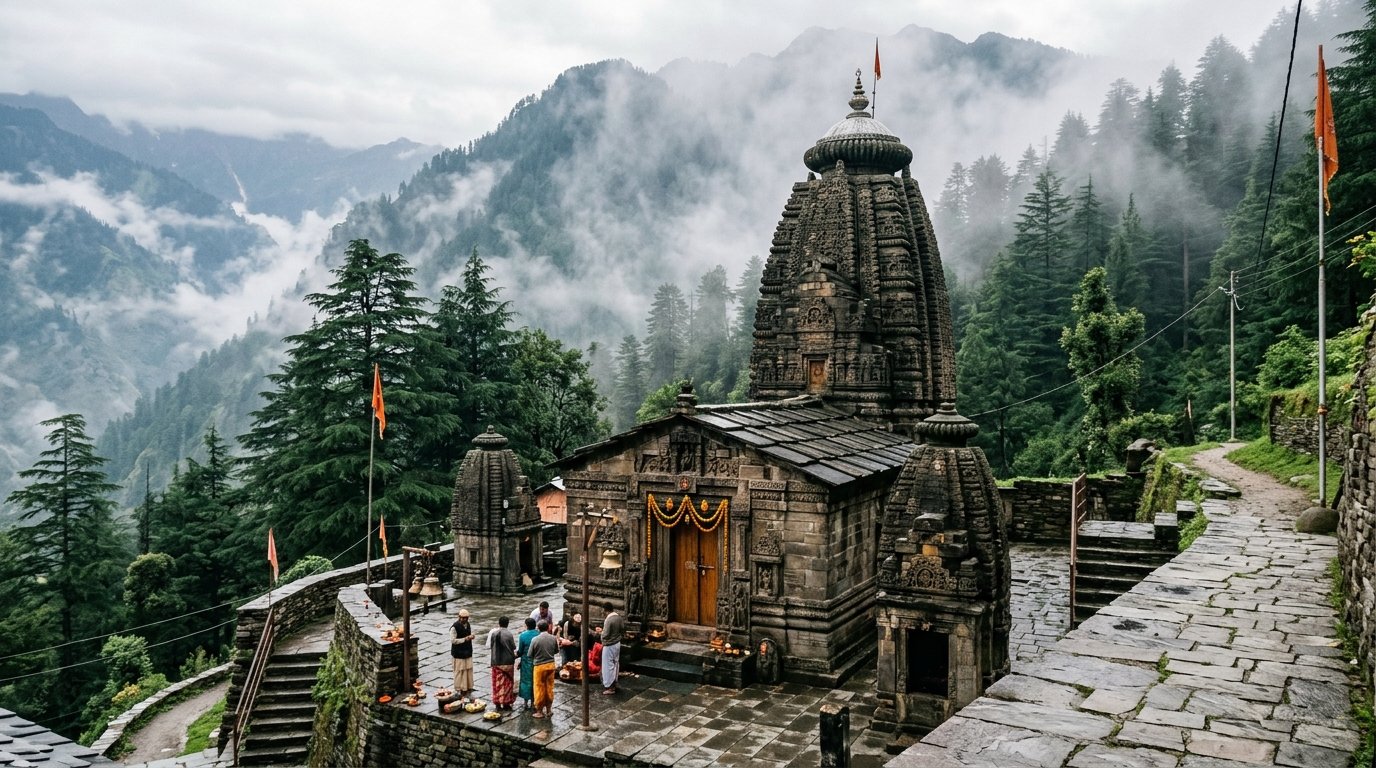
Today, the Askot Palace complex is a living monument where history is etched into every stone. The grand fortified residence features multi-story stone towers, intricately carved deodar timber cornices, narrow defensive gateways, and royal prayer sanctuaries. Set against a backdrop of rolling oak ridges and distant Himalayan snowfields, a visit to Askot Palace transports travelers into the feudal splendor of ancient Kumaon, offering deep cultural insights rarely found on standard tourist circuits.
Key Highlights of Askot Royal Palace & Rajbar Forts
- Authentic 13th-century palace citadel established by King Abhay Pal, direct scion of the imperial Katyuri dynasty.
- Distinctive indigenous Kumaoni-Himalayan architecture blending hand-chiseled dry-stone masonry with ornate carved deodar wood.
- Panoramic 360-degree overlook surveying the deep river gorges of the Kali, Gori Ganga, and the forested mountains of western Nepal.
- Ancestral armory and royal temple dedicated to Mallikarjun Mahadev, the patron deity of the Askot Pal royal house.
- Rich historical legacy of the "Assi Kot" (Eighty Fortresses) that guarded the strategic trans-Himalayan trade routes to Tibet.
- Warm cultural encounters with the royal lineage and village elders who preserve oral histories and ancient folk traditions.
Historical Background & Heritage
The founding of the Askot principality in 1279 CE marked a pivotal chapter in Kumaon's medieval history. According to ancient stone inscriptions and royal genealogies (Vamshavalis), Prince Abhay Pal broke away from the declining Katyuri court at Joshimath and established his capital at the strategic crest of the Askot ridge. The region was initially dominated by indigenous Khasas and the secretive forest-dwelling Van Raji tribe. Through astute diplomacy, martial prowess, and royal patronage of local shrines, the Pal rulers consolidated eighty surrounding ridge-top garrisons, from which the name Assi-Kot (Eighty Forts) originated.
Throughout the 16th and 17th centuries, the Askot kingdom maintained a fiercely guarded autonomy. While the neighboring Chand Rajas of Almora sought repeatedly to vassalize the border principality, the Pal kings skillfully balanced their alliances, paying symbolic tributes while maintaining complete internal sovereignty and commanding the profitable trade routes moving salt, borax, and wool through the Lipulekh pass.
In the late 18th century, the expansionist Gorkha kingdom of Nepal crossed the Mahakali River and occupied Askot following fierce resistance. However, after the Anglo-Nepalese War and the Treaty of Sugauli in 1815, the British administration recognized the ancient rights of the Pal rulers, granting them the status of Rajbars (autonomous hereditary chieftains) over Askot. The palace remained the active hub of regional governance and cultural patronage throughout the colonial era until India's independence and the integration of princely estates in 1948.
Geographical Setting & Features
The Askot Rajbar exemplifies classical Central Himalayan castle architecture (Kot). Built using local metamorphic grey stone, slate roof tiles, and dense river-cured deodar pine beams, the complex is configured as a defensive fortress residence: - Defensive Multi-Tiered Layout: The palace is constructed in ascending stone courtyards (aangan), designed to funnel visitors through narrow stone-arched entry gates that could be easily fortified against invading forces. - Timber Woodcarving (Kumaoni Craft): The second and third stories feature projecting wooden balconies (tibari and jharokhas) embellished with intricate carvings of floral vines, lotus rosettes, peacocks, and protective deities carved by traditional Kumaoni woodwrights (shilpkars). - Slate Flagstone Courtyards: The main courtyard is paved with hand-chiseled slate slabs worn smooth by centuries of royal assemblies and cultural festivals like the traditional Chholiya sword dance. - Royal Shrines: Within the palace precinct stands the private sanctum of the royal family, adorned with Katyuri-era brass idols, ancient bells, and sacred stone shivalingas.
Things to Do & Experiences
Explore the Rajbar Courtyards
Stroll through the ancient stone gateways and courtyards, admiring the multi-layered medieval masonry and panoramic valley lookouts.
Study Katyuri Architectural Woodcraft
Inspect the ornate hand-carved deodar lintels, wooden pillars, and filigreed balcony screens that have withstood centuries of mountain weather.
Photograph Valley Panoramas
Capture sweeping wide-angle photographs of the terraced farming hamlets of Askot, the Gori Ganga riverbed far below, and the Nepali hills across the Kali River.
Visit the Royal Mallikarjun Shrine
Offer prayers at the private royal temple dedicated to Lord Shiva, where ancient copper plates and ritual lamps reflect centuries of unbroken devotion.
Interact with Royal Historians
Meet local scholars and members of the Pal family who recount captivating folklore, tales of wartime bravery against the Gorkhas, and tribal legends of the Van Raji people.
Village Heritage Walk
Take an afternoon walking tour through the traditional stone-paved lanes of Askot village, visiting local coppersmiths, woolen weavers, and terraced organic farms.
Best Time to Visit & Seasonal Advice
Askot Palace is perched at a moderate elevation of 1,600 meters, making it accessible throughout the year: - Autumn (September to November): Ideal weather with crystal clear blue skies, crisp mountain air, and post-monsoon greenery across the terraced valleys. Himalayan peaks gleam brightly in the background. - Spring (February to April): Delightful temperatures ranging from 15°C to 24°C. Village peach, plum, and rhododendron trees burst into vibrant blossoms across the palace slopes. - Summer (May to June): Pleasantly warm with temperatures between 20°C and 28°C. A refreshing mountain getaway to escape the scorching heat of the north Indian plains. - Winter (December to January): Brisk and sunny during daytime (8°C to 16°C), with chilly nights dropping near freezing. Clear winter daylight illuminates the snow-capped Himalayan ranges in dramatic high contrast.
How to Reach & Local Transit
Askot Palace is centrally located in Askot town along the Pithoragarh-Jauljibi-Dharchula highway: - By Road: Askot is well connected by state highways. Regular private taxis and UTC buses connect Askot with Pithoragarh (54 km / 2 hours), Didihat (35 km / 1 hour), and Jauljibi (14 km / 30 mins). - From Kathgodam: The driving distance from Kathgodam railhead is approximately 220 km (7.5 to 8.5 hours) via Almora, Bageshwar, and Thal. - Local Access: Vehicles reach right up to the Askot market road, from where a short 5-minute walk along a stone-paved royal flagstone pathway leads to the palace entrance.
Entry Permits, Timings & Guidelines
Askot Royal Palace is a living heritage residence and a revered cultural site: - Entry Fee: Admission to the exterior courtyards and heritage overlooks is complimentary. Visitors are encouraged to maintain quiet decorum. - Photography: Photography of the exterior architecture, courtyards, and valley viewpoints is permitted. Always request courteous permission before photographing interior private quarters. - Footwear: Footwear must be removed before entering the inner royal temple sanctums.
Where to Stay & Eco-Lodges
Visitors exploring Askot Palace can choose from peaceful hill retreats: - Askot Forest Rest House: A heritage bungalow surrounded by whispering pine and oak trees offering colonial charm and panoramic mountain vistas. - Didihat KMVN & Hotels: Located 35 km away, Didihat offers excellent lodging at the KMVN Tourist Rest House and private hotels with modern amenities. - Local Askot Homestays: Traditional village homestays situated within walking distance of the palace provide authentic Kumaoni hospitality, traditional fireside storytelling, and wholesome home-cooked pahadi cuisine.
Frequently Asked Questions
The palace was founded by King Abhay Pal, a grandson of the Katyuri Emperor Brahmadeo, who established the independent Askot kingdom in 1279 CE after the decentralization of the Katyuri Empire.
The name Askot is derived from "Assi Kot", which translates to "Eighty Forts" in the local Kumaoni language, referring to the eighty ancient ridge-top fortresses and outposts that guarded the principality.
Yes, visitors are warmly welcomed to explore the historic exterior courtyards, stone fortifications, and royal shrines. Because it remains a living heritage residence, visitors are requested to respect the family's privacy.
Askot Palace is located approximately 54 km northeast of Pithoragarh town via the scenic mountain highway connecting Pithoragarh to Ogla and Askot, taking about 2 hours by car or taxi.
Yes. Askot town sits right on the southern gateway of the Askot Wildlife Sanctuary. Travelers frequently visit the palace and nearby Mallikarjun temple before venturing onto the wildlife trails and river valleys.