From the elusive White-bellied Musk Deer in alpine birch woods to 800-year-old Katyuri palaces, sacred glacial tarns, and thundering river confluences on the Nepal border — discover the crowning treasures of Askot.
From endangered musk deer wandering misty rhododendron ridges to 13th-century stone palaces and front-row vistas of the five peaks of Panchachuli — these iconic landmarks define Askot's wild and regal spirit.
A comprehensive practical directory of every landmark, wildlife trail, medieval palace, and alpine vantage point across the Askot sanctuary and its border valleys.
Wildlife Sanctuary
01
Pristine sub-alpine birch and dwarf rhododendron forests dedicated to the conservation of the endangered White-bellied Musk Deer. Spot Monal pheasants, Himalayan tahr, and Snow Leopards along guided forest eco-trails.
Heritage Citadel
02
The historic 13th-century seat of the Katyuri-Pal kings who ruled the legendary 'Assi Kot' (Eighty Forts). Admire hand-chiseled slate masonry, carved deodar timber jharokhas, and sweeping valley vistas toward Nepal.
Alpine Meadow & Tarn
03
Untouched 4,000-meter alpine wilderness featuring velvet green grasslands, the sacred Shiva tarn of Kedar Kund, rare Brahma Kamal blooms, and front-row panoramas of the five Panchachuli peaks.
River Sangam
04
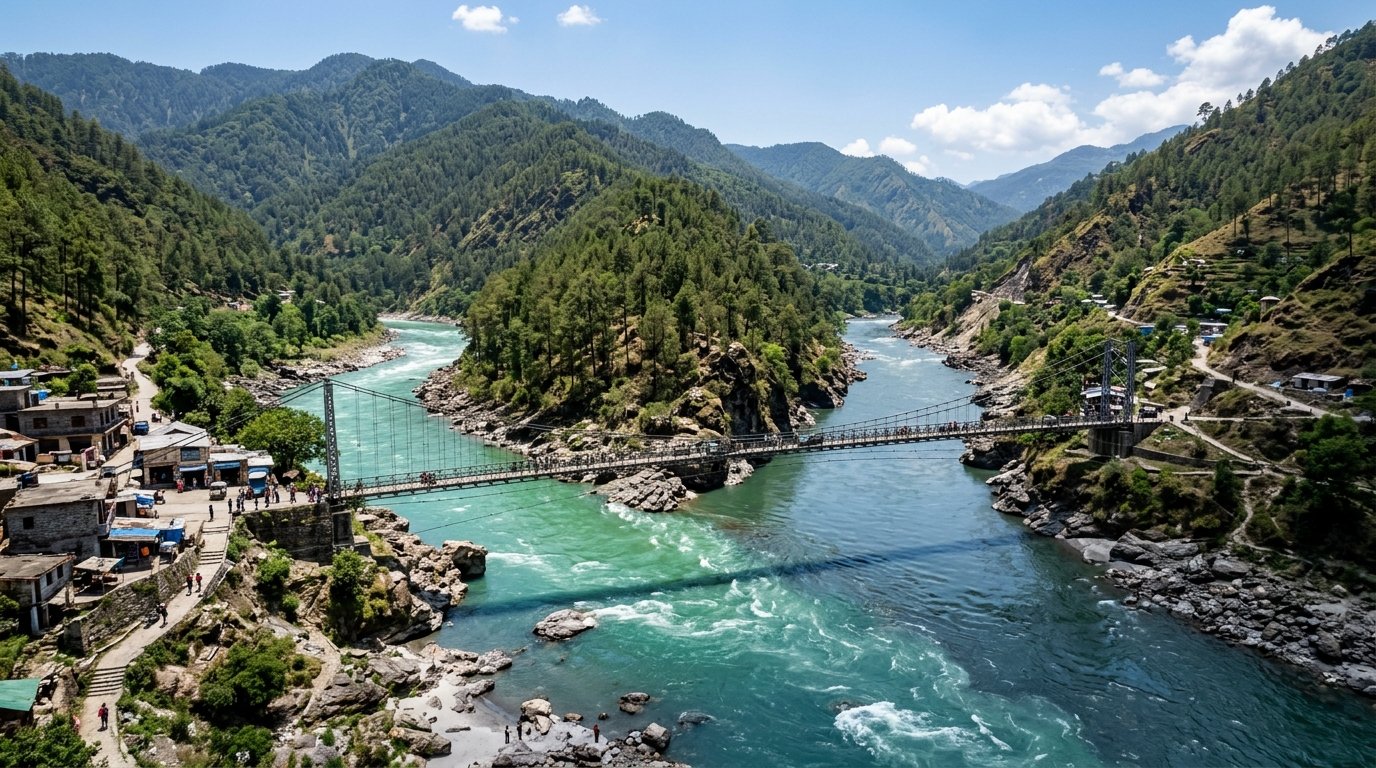
The sacred geological union of the glacier-fed Gori Ganga and the thundering trans-Himalayan Kali River. Walk across the international suspension bridge into Nepal and experience the historic Jauljibi Mela trade fair.
Himalayan Viewpoint
05
A breathtaking mountain lookout perched on the pine-clad heights of Askot. Gaze in awe at the five legendary summits of the Pandavas (up to 6,904m) glowing in crimson and gold during sunrise and alpenglow sunsets.
Ancient Shiva Shrine
06
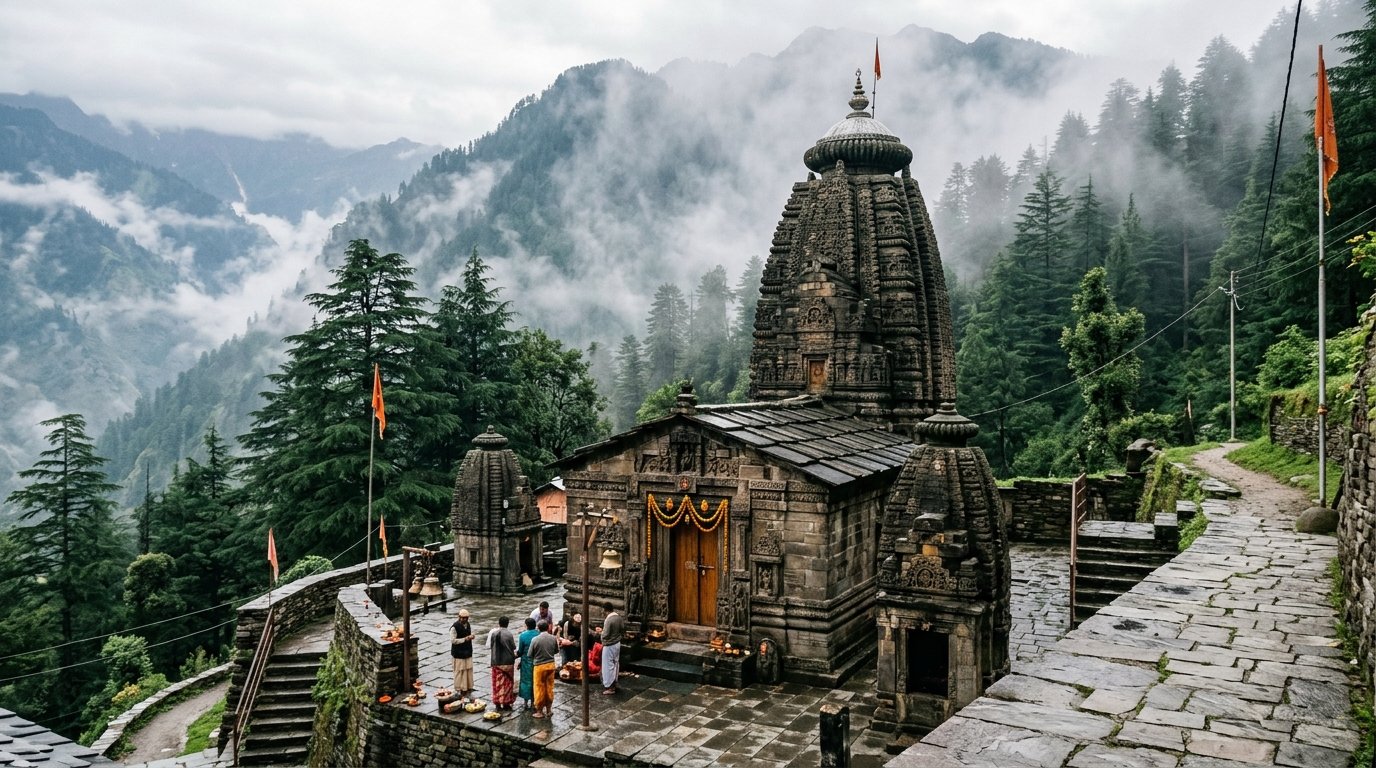
An ancient 8th-century stone temple dedicated to Lord Shiva as Mallikarjun, revered as the patron deity of the Askot Pal dynasty. Features classical Katyuri Nagara shikhara masonry, ancient bells, and sacred deodar woods.
Try clicking "All Attractions" to view every site across Askot Wildlife Sanctuary.
Ensure a seamless, responsible, and enriching expedition across the borderlands of eastern Kumaon with these essential practical insights.
Entry into the core musk deer habitats and high bugyals requires a wilderness permit from the Forest Department office in Askot, Didihat, or Pithoragarh. Carry valid photo ID.
To walk across the Jauljibi suspension bridge into Nepal, Indian and Nepali citizens need only a valid photo ID (Aadhaar or Voter ID). Border gates close around 7:00 PM.
For Chiplakot Bugyal (4,000m), acclimatize properly in Askot or Didihat. Always hike with a certified local Kumaoni guide, sturdy waterproof boots, and four-season warm clothing.
Early mornings (5:30 AM to 7:30 AM) offer the clearest mountain views of Panchachuli and the highest statistical chance of spotting musk deer and Monal pheasants along ridge lines.
Everything you need to know before visiting the attractions of Askot Wildlife Sanctuary.
Askot Wildlife Sanctuary was established in 1986 primarily to protect the endangered White-bellied Musk Deer (Moschus leucogaster). It is also celebrated for its pristine high-altitude bugyals, Panchachuli views, Katyuri dynasty heritage, and trans-Himalayan river confluences.
The nearest railhead is Kathgodam (220 km), from where regular taxis and buses run via Almora, Bageshwar, and Thal to Askot. Naini Saini Airport in Pithoragarh (54 km) offers regional air connectivity, while Pantnagar Airport (250 km) handles commercial flights.
The best months are October to May for clear weather, cultural sightseeing at Askot Palace, and river adventures at Jauljibi (with the famous Jauljibi Mela in November). For alpine trekking to Chiplakot Bugyal, May to June and September to October are ideal.
Yes. Because Askot Wildlife Sanctuary encompasses sensitive sub-alpine wildlife zones and lies close to the international borders of Nepal and Tibet, trekkers must be accompanied by certified local mountain guides and possess valid Forest Department permits.
Yes, visitors can explore the exterior courtyards, ancient stone fortifications, and royal shrines. Because descendants of the Pal dynasty still reside here, visitors are welcomed with traditional Kumaoni hospitality while respecting family privacy.
Comfortable stays are available at the historic Askot Forest Rest House, local village homestays in Askot and Jauljibi, and KMVN Tourist Rest Houses located in nearby Didihat (35 km) and Chaukori (55 km).
From tracking the elusive musk deer through fragrant birch forests to standing atop medieval citadels and gazing upon the glowing peaks of Panchachuli, Askot promises journeys of profound discovery. Start planning your custom eastern Kumaon itinerary today.
Explore More: Pithoragarh & Kumaon Travel Guides