Warm and sunny days with cool river breezes. The surrounding valley is lush with blooming trees and golden wheat harvests. An ideal time for combining Baijnath with hill visits to Kausani and Gwaldam.
12th-Century Katyuri Stone Shrines · Gomti Valley Kumaon
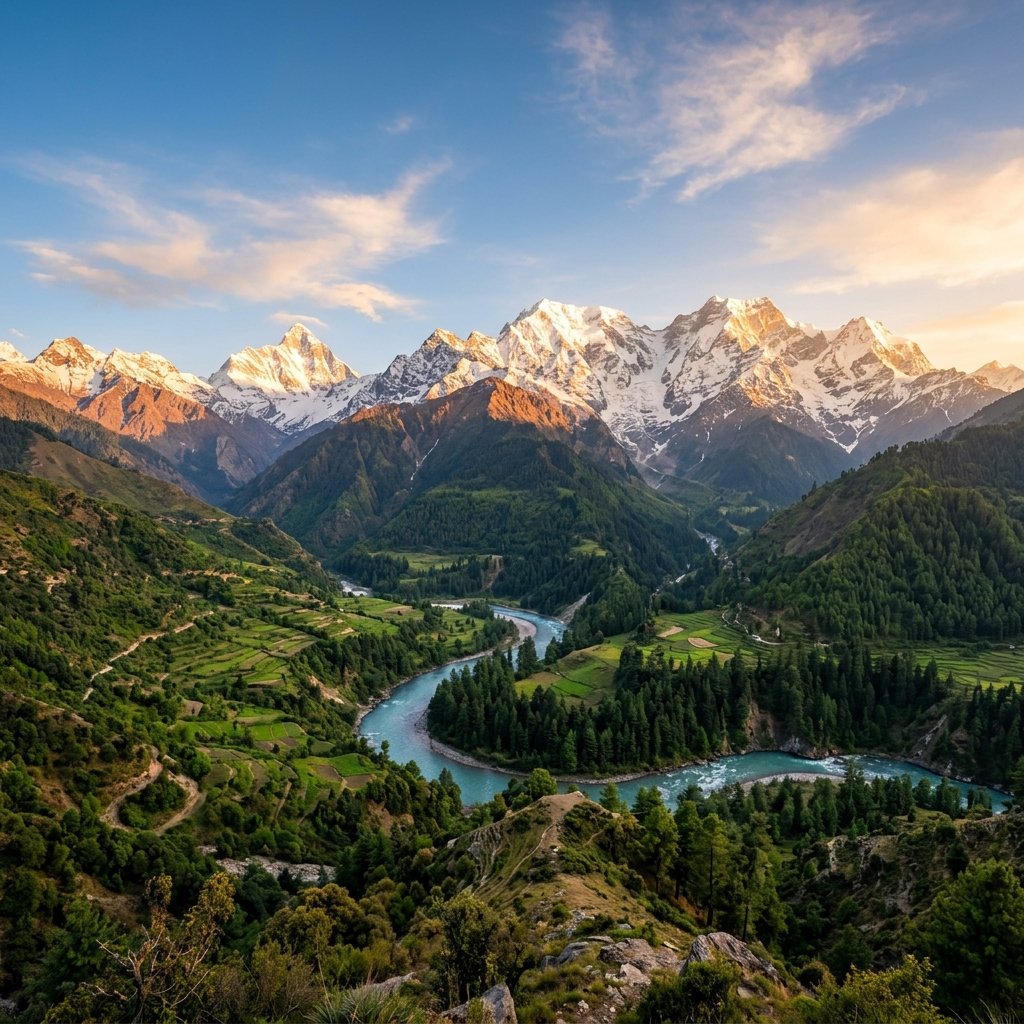
Resting gracefully along the emerald banks of the Gomti River at an elevation of 1,125 metres in the fertile Garur Valley, Baijnath is one of the most exquisite archaeological and spiritual gems of the Kumaon Himalayas. Once the thriving ancient capital of the powerful Katyuri dynasty — then known as Kartikeyapura — between the 9th and 12th centuries, Baijnath remains an enduring testament to early medieval Himalayan stone artistry.
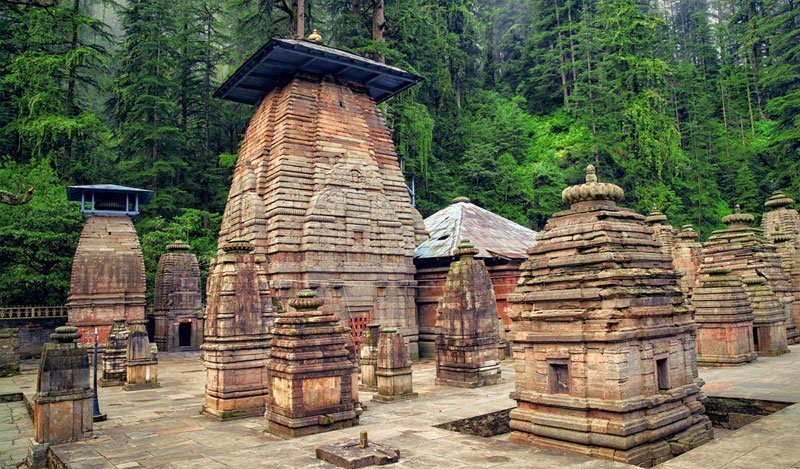
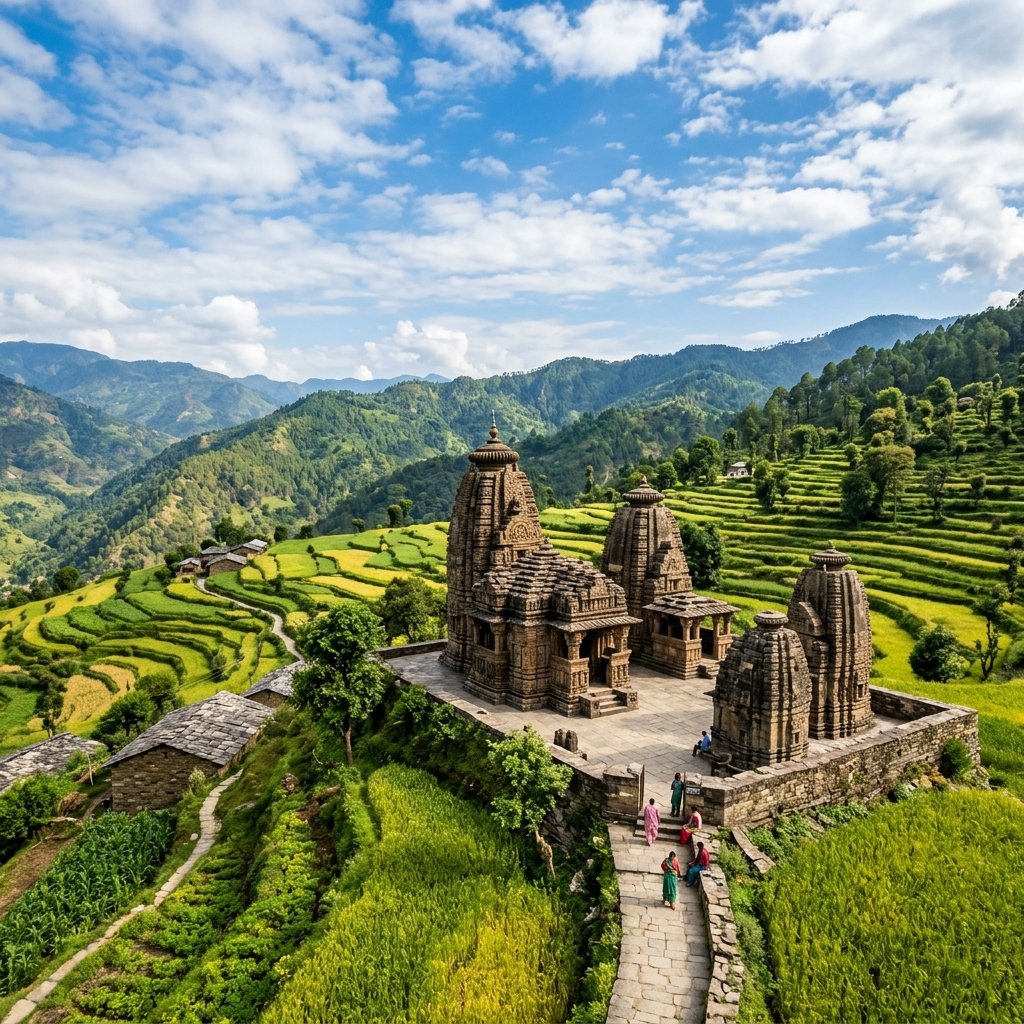
The centerpiece of this historical haven is the Baijnath Temple Complex, constructed around 1150 AD. Built from locally quarried grey granite and chlorite schist, the main shrine is dedicated to Lord Shiva as Vaidyanath (the Lord of Physicians). The temple is world-renowned among art historians for its soaring Nagara-style shikhara and exceptionally detailed bas-relief friezes depicting deities, floral motifs, celestial dancers, and mythological motifs.
Inside the sanctum sanctorum stands an astonishing masterpiece of ancient Indian sculpture: an intricate, life-sized standing idol of Goddess Parvati, exquisitely carved out of polished black stone. Flanking the main temple are 17 smaller subsidiary shrines dedicated to Lord Ganesha, Kartikeya, Surya, Chandika, and Kubera, creating an awe-inspiring open-air stone sanctuary.
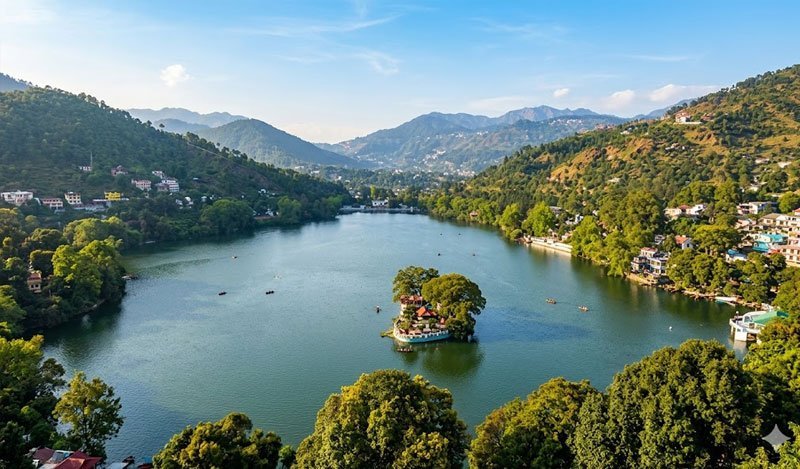
Just in front of the temple complex lies a pristine artificial lake fed by the gentle waters of the Gomti River, commissioned by the state government to enhance the heritage precinct. The crystal-clear waters teem with thousands of sacred golden Mahseer fish. Feeding puffed rice (chana and murmura) to these friendly fish from the river ghats is a revered ritual for pilgrims and a delight for visitors.
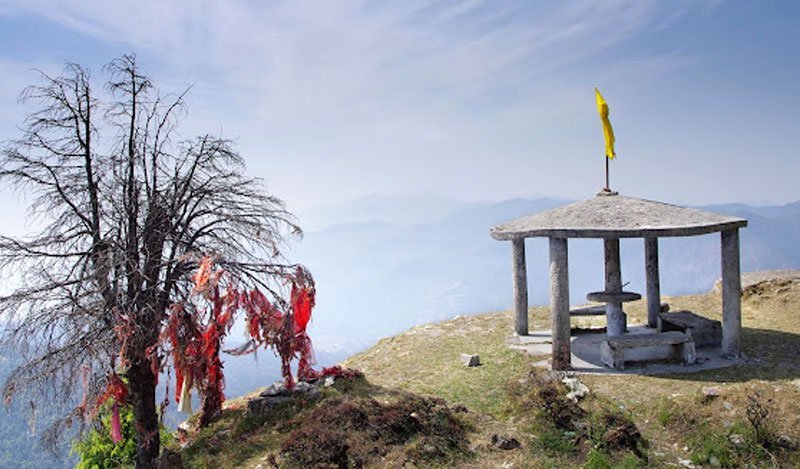
Perched on an adjacent hilltop 2 km away stands the historic Kot Bhramari Temple (also known as Bhramari Devi or Kot Ka Mandir), once the fortified citadel of the Katyuri rulers. Here, Goddess Durga is venerated as Bhramari (the goddess of black bees who vanquished the demon Arunasura). The temple ridge affords sweeping, panoramic vistas of the terraced paddy fields of the entire Garur basin.
Located just 17 km from the famous sunset viewpoints of Kausani, Baijnath provides a serene, uncrowded journey into the heart of Kumaon’s golden royal era — a sanctuary where ancient stone, sacred waters, and whispering mountain breezes create an atmosphere of profound tranquility.
Warm and sunny days with cool river breezes. The surrounding valley is lush with blooming trees and golden wheat harvests. An ideal time for combining Baijnath with hill visits to Kausani and Gwaldam.
Monsoon showers turn the Garur valley into an emerald paradise. The Gomti river flows vigorously, feeding the heritage lake. Clouds drift gracefully across the ancient stone shikharas.
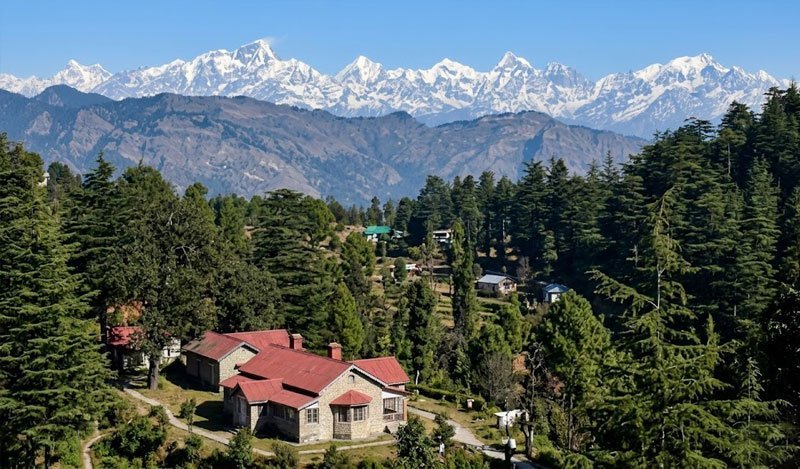
Pleasantly warm afternoon sun and chilly nights. The atmosphere is crystal clear with spectacular views of Trishul and Nanda Devi from nearby ridges. Perfect for heritage walking tours.
Heritage
01
Nature
02
Hilltop Shrine
03
Himalayas
04
Spiritual
05
Scenic
06
Examine 800-year-old intricate Nagara-style stone friezes, celestial apsaras, and the world-famous black stone Parvati statue.
Sit on the peaceful Gomti riverbank stone steps and feed murmura to schools of golden Mahseer fish swimming in clear waters.
Walk up the stone staircase to Kot Bhramari Devi temple to admire ancient fortress ruins and stunning vistas of terraced valleys.
Take a short 30-minute drive to Kausani to visit the Anashakti Ashram (where Mahatma Gandhi stayed) and watch sunset over Nanda Devi.
Hill Station
Spiritual
Nature
Heritage
Nature
Hill Station
Spiritual
Nature
Spiritual
Heritage
Nature
Heritage
Best Photography Hours: Visit the temple complex in early morning (7:00–9:00 AM) or late afternoon when the warm sun highlights the intricate texture of the 800-year-old stone carvings.
Feeding Fish Ritual: Small packets of puffed rice (murmura) and roasted grams are sold for ₹10 outside the gate. Feeding the friendly Mahseer fish from the ghats is deeply rewarding.
Combine with Kausani: Baijnath is just 17 km downhill from Kausani. Many travelers stay overnight in Kausani for sunset/sunrise mountain views and take a morning excursion to Baijnath.
Respect Heritage Regulations: Baijnath is an ASI protected national monument. Do not touch or climb delicate stone carvings; deposit shoes at the entrance before stepping on temple terraces.
Visit Kot Bhramari at Sunset: Climb up to Kot Bhramari Devi temple around 5:00 PM for the finest golden-hour panorama over the entire green expanse of the Garur valley.
Nearby Amenities: Garur town (1 km away) has medical stores, ATMs, local dhabas serving hot Kumaoni food, and regular shared taxis connecting to Almora and Bageshwar.
Essential timings, history, fish feeding rituals, and trip planning advice for Baijnath Temple.
Baijnath stands as a peaceful bridge across centuries, where the grandeur of ancient Katyuri kings lives on in silent, sculpted stone. The gentle flow of the Gomti, the shimmering dance of golden Mahseer fish, and the serene aura of Goddess Parvati's shrine make Baijnath a truly rejuvenating cultural halt on any Kumaon journey.
Start Planning Your Trip →Explore More: Kumaon Heritage & Temples