Summer
April – June
12°C – 24°C
Lush and pleasant. Rhododendrons and wildflowers are in full bloom across the forest floor. Excellent for birdwatching, nature trekking, and escaping the oppressive plains heat.
Pristine Wildlife Sanctuary & 300km Himalayan View · Almora
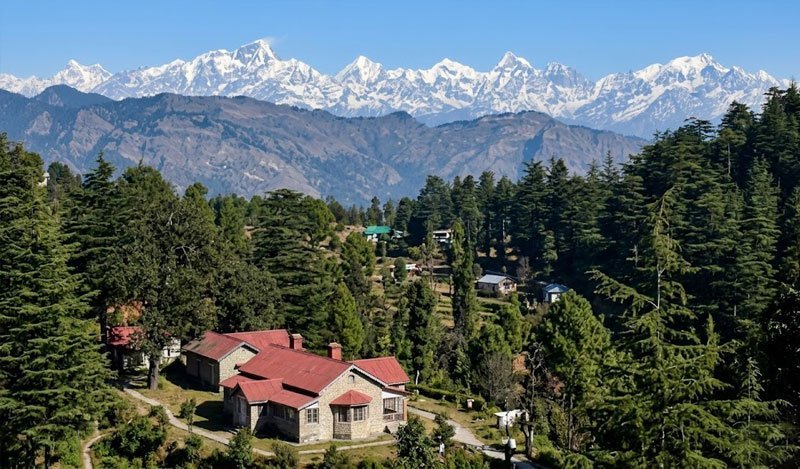
Perched high atop the Jhandi Dhar ridge at an elevation of 2,420 metres (7,940 feet) in the Almora district of Kumaon, Binsar is one of Uttarakhand’s most pristine, ecologically vital, and awe-inspiring wildlife sanctuaries. Covering 47 square kilometers of dense, ancient oak, rhododendron, deodar, and chir pine forests, Binsar served as the summer capital of the royal Chand kings of Kumaon between the 11th and 18th centuries.
The supreme crowning glory of Binsar is Zero Point, a dramatic vantage point reached via a gentle 2 km forest walk from the roadhead. From here, travelers are treated to an unmatched, spellbinding 300-kilometer panoramic arc of the Greater Himalayas. Standing at Zero Point on a crisp morning reveals Kedarnath, Chaukhamba, Trishul, Nanda Devi (India’s second-highest summit at 7,816m), Nanda Kot, and the five sentinel peaks of Panchachuli glowing in brilliant white and gold across the northern horizon.
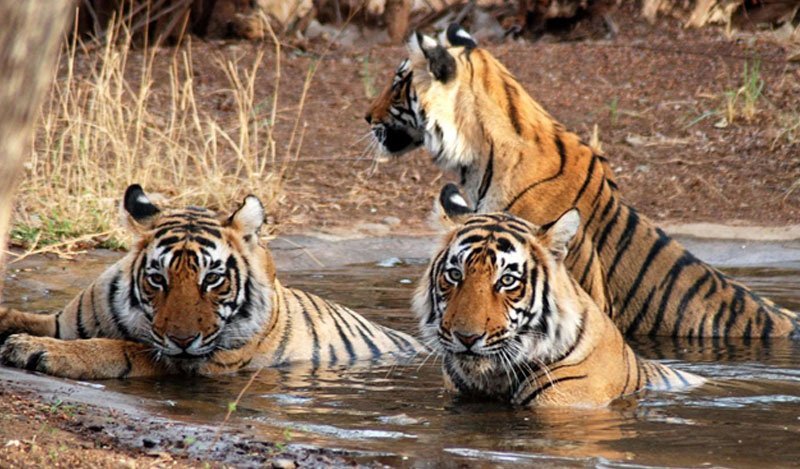
Declared a wildlife sanctuary in 1988 to protect its fragile broadleaf oak ecosystem, Binsar is a sanctuary in the truest sense. Its silent, moss-draped forests provide safe haven to elusive Himalayan leopards, barking deer (kakkar), mountain serows, wild boars, red foxes, flying squirrels, and Himalayan black bears.
For ornithologists and bird lovers, Binsar is nothing short of paradise. Recognized as an Important Bird Area (IBA) by BirdLife International, the sanctuary hosts over 200 species of birds, including the brilliant Himalayan monal, koklass pheasant, red-billed blue magpie, cheer pheasant, rufous-bellied woodpecker, verditer flycatcher, and majestic eagles soaring on mountain updrafts.
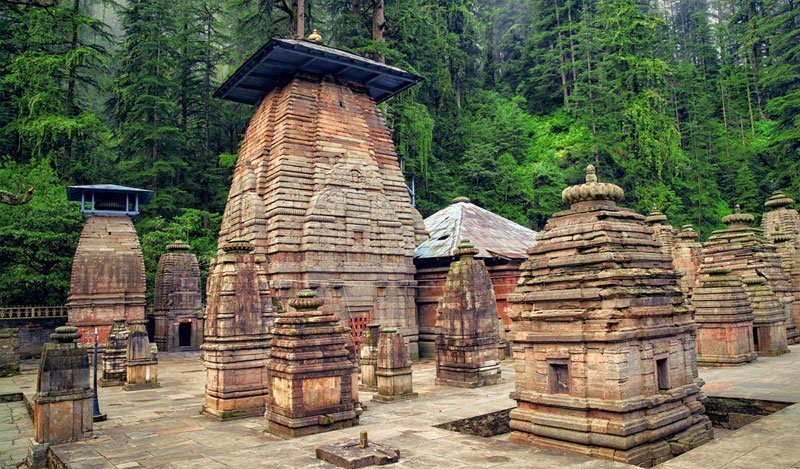
Deep within the forest stands the historic Binsar Mahadev Temple, constructed in the 10th century by the Chand king Kalyan Chand, along with colonial-era forest estates like Mary Budden Estate and Grand Oak Manor (formerly the residence of Sir Henry Ramsay, the legendary British Commissioner of Kumaon). Luminaries from Swami Vivekananda to Jawaharlal Nehru sought solace in these quiet woods.
With no commercial noisy markets, no television culture, and strict environmental conservation that closes entry gates at sunset, Binsar offers the rare, precious gift of profound natural silence — broken only by the musical song of mountain thrushes, the rustle of deodar pine needles, and the whispering winds of the high Himalayas.
Lush and pleasant. Rhododendrons and wildflowers are in full bloom across the forest floor. Excellent for birdwatching, nature trekking, and escaping the oppressive plains heat.
The sanctuary turns into a mystical fairytale of drifting mountain clouds, moss-covered oak trunks, and fragrant pine rain. Great for solitude lovers, though forest paths can be slick.
The prime season for mountain peak viewing. The air is crystal clear, and the 300 km Himalayan range shines with razor-sharp brilliance. December–February brings light snowfall and freezing nights.
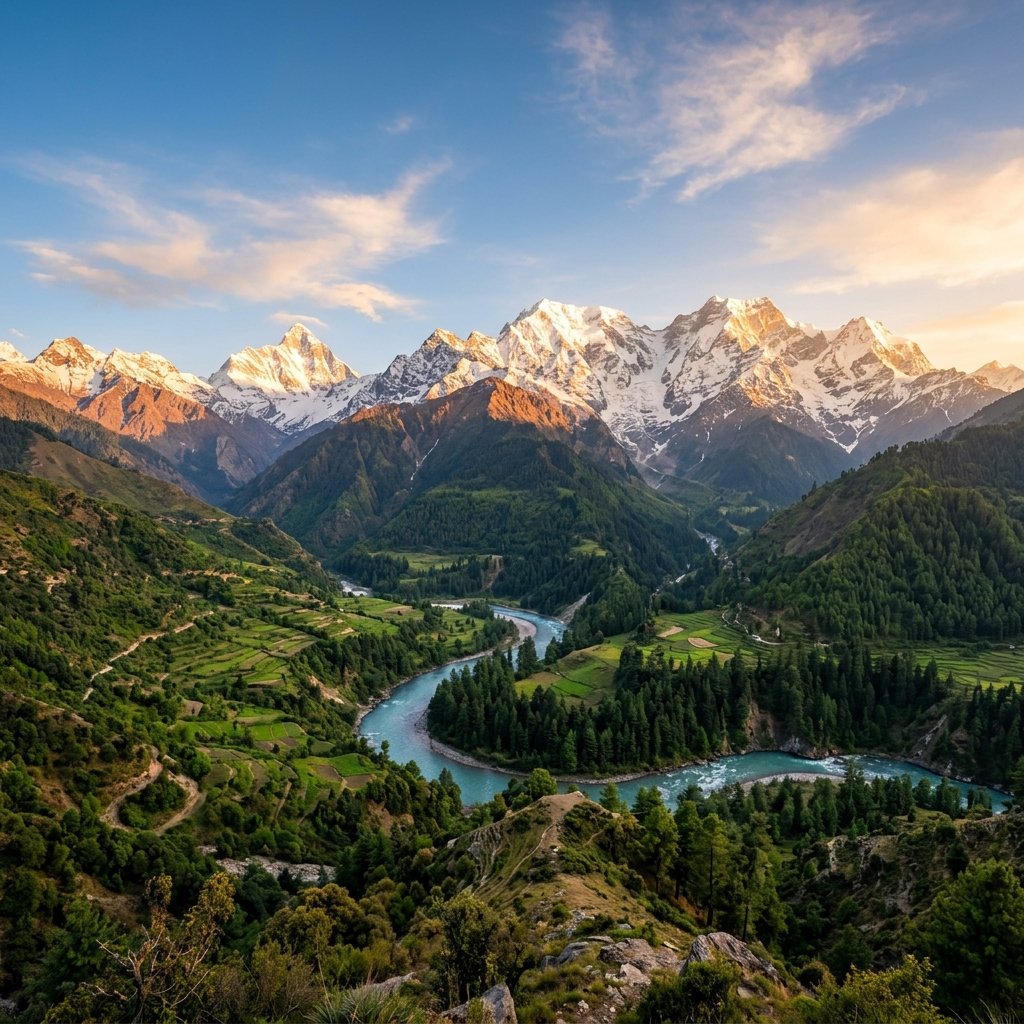 Himalayan View
01
 Wildlife
02
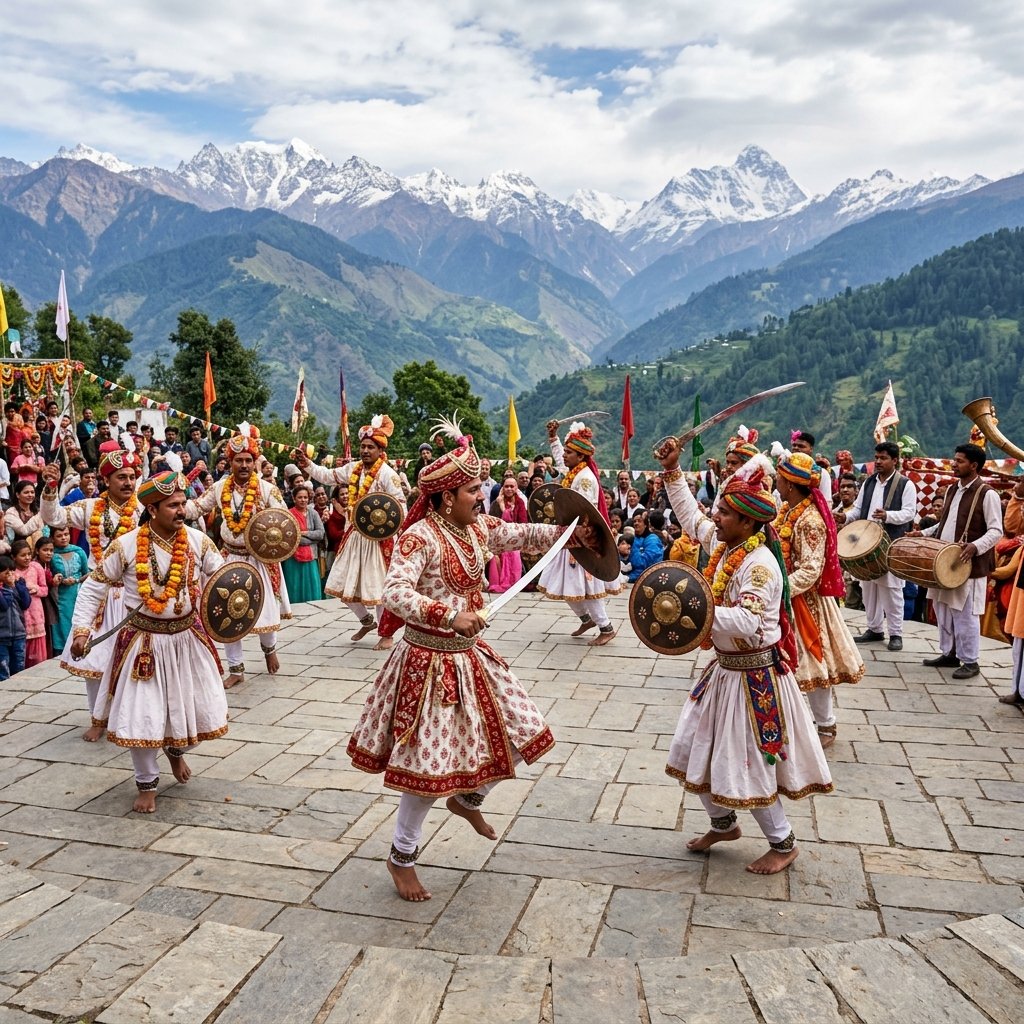 Heritage
03
 Spiritual
04
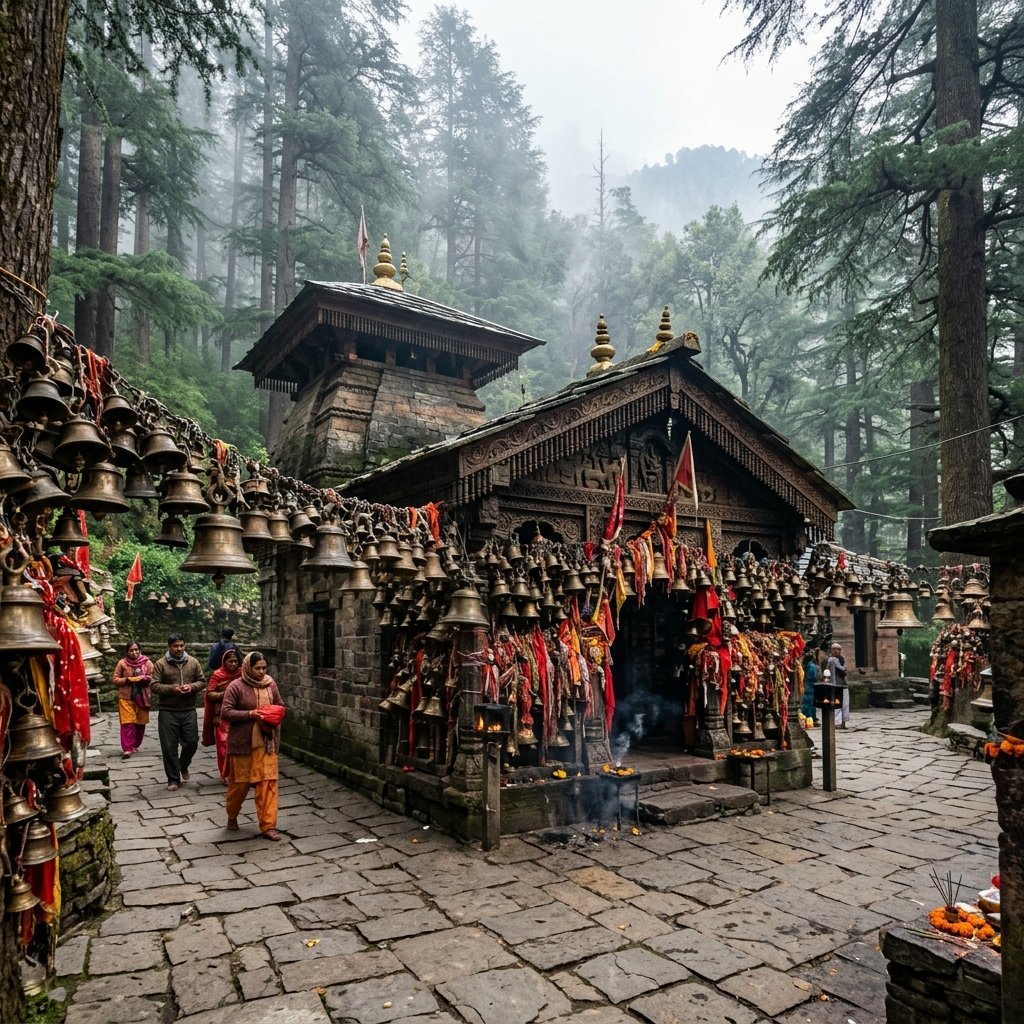 Shrine
05
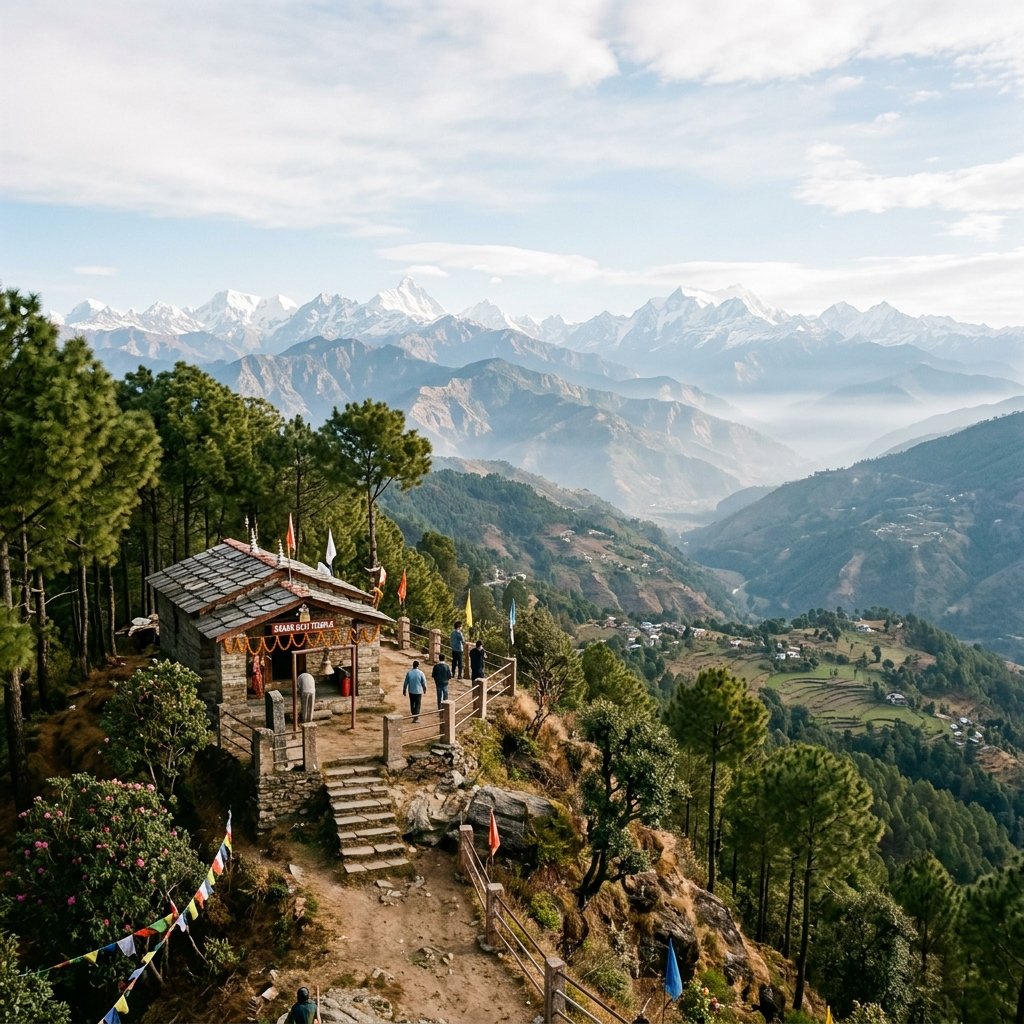 Spiritual
06
Embark on a tranquil 2 km forest walk through oak woods before dawn to watch the first golden rays ignite the crown of Nanda Devi.
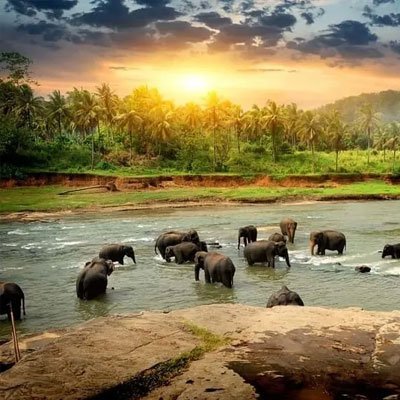
Walk with expert sanctuary naturalists to identify over 50 bird species in a single morning, from pheasants to brilliant flycatchers.

Follow century-old bridle paths connecting Zero Point, Binsar Sanctuary gate, Dhaulchhina, and the Kasar Devi ridge.
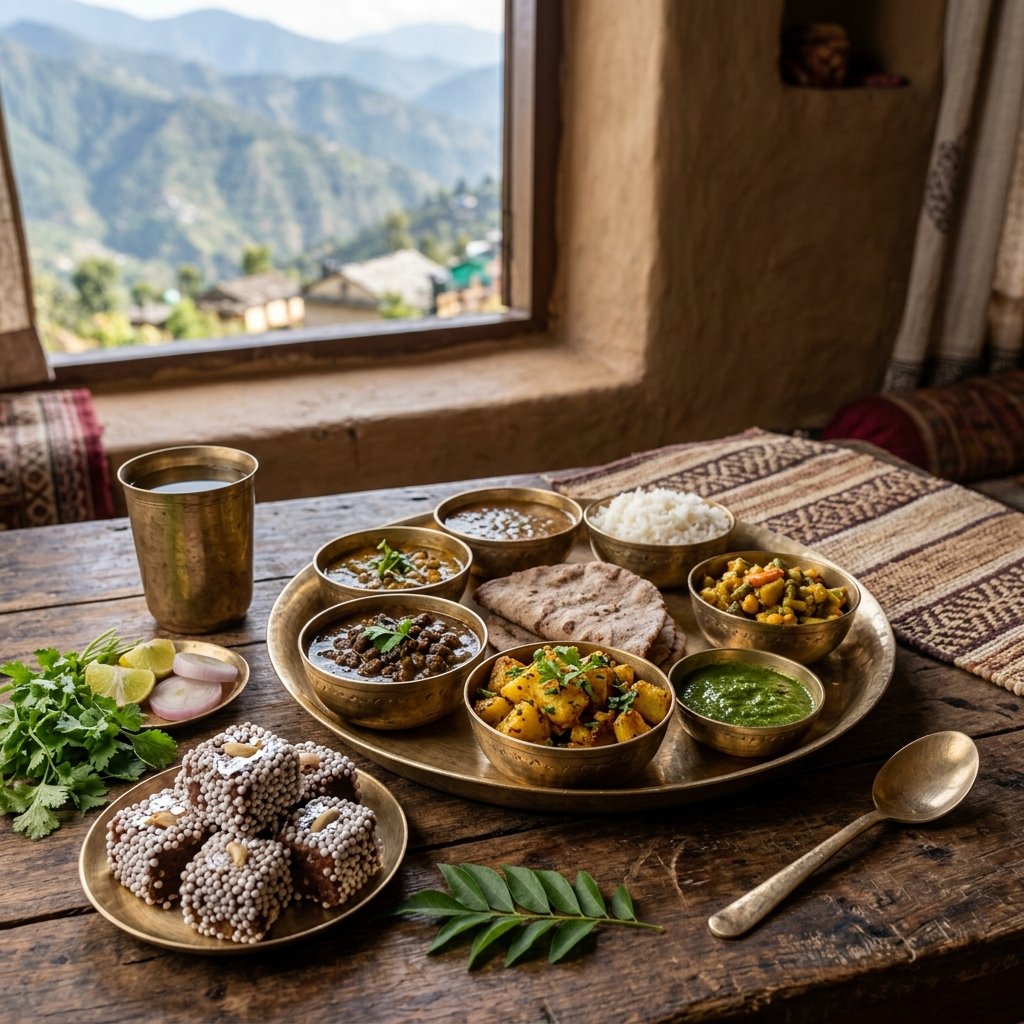
Savor traditional Kumaoni dinners of Bhatt ki Churkani and hot pahadi rotis beside crackling fireplaces in heritage forest lodges.
 Heritage
Spiritual
 Spiritual
 Spiritual
 Heritage
 Hill Station
 Hill Station
 Nature
 Lakes
 Heritage
 Nature
Sanctuary Entry Fees & Timings: The Binsar Sanctuary gate opens at sunrise and closes strictly at sunset. Entry fees are ₹150 per person and ₹250 per vehicle. Keep tickets handy for checkposts.
Drive Slowly Inside Sanctuary: The 10 km forest road from the entry gate to the KMVN rest house and Zero Point trailhead is unpaved and narrow. Drive at under 20 km/h to protect wildlife.
Stay Inside for Golden Sunrise: Staying at a lodge inside the sanctuary (like KMVN or heritage estates) gives you direct pre-dawn access to Zero Point for the best Himalayan sunrise before day visitors arrive.
Carry Binoculars & Telephoto Lens: Binsar is an exceptional birding habitat. Bring a pair of 8x42 binoculars and a long telephoto lens (300mm–600mm) for capturing vibrant mountain birds and distant snow peaks.
Eco-Sensitive Zone Rules: Binsar is plastic-free. Do not litter, play loud music, or light open campfires. Smoking inside the forest is strictly prohibited to prevent forest fires.
Warm Clothes Even in Summer: At over 2,400m elevation under dense tree canopies, nights are cold year-round. Pack thermal innerwear, a fleece jacket, and warm walking boots.
Essential entry fees, sanctuary timings, Zero Point views, and forest stay information for Binsar.
Binsar is a sanctuary not just for the wild, but for the human spirit. High above the dust and noise of the modern world, where ancient oaks drape themselves in silver moss and the great white peaks of Nanda Devi and Trishul guard the horizon, Binsar invites you to slow down, listen to the wind, and rediscover the sublime peace of the Himalayas.
Start Planning Your Trip →Explore More: Almora & Kumaon Wildlife