Summer
April – June
5°C – 16°C
Snow recedes, unveiling lush green meadows and wild alpine flowers. Ideal weather for the Har Ki Dun, Ruinsara Tal, and high mountain pass treks.
Har Ki Dun, Swargarohini & Untamed Tons River Wilderness · Uttarkashi
Spanning 958 square kilometers across the upper catchment of the Tons River in the westernmost corner of Uttarkashi district along the Himachal Pradesh border, Govind National Park and Wildlife Sanctuary is one of the most culturally rich and biologically diverse high-altitude sanctuaries in the Himalayas. Established in 1955 as a wildlife sanctuary and upgraded to a national park, this untouched realm encompasses dense coniferous forests, tumbling glacial rivers, and dramatic alpine amphitheatres.
The crown trekking jewel of the park is Har Ki Dun (meaning "Valley of Shiva" or "Valley of Gods"). Situated at an altitude of 3,566 metres, this cradle-shaped glacial valley is surrounded by dense pine, spruce, and deodar woods opening into sweeping alpine meadows carpeted in golden wildflowers and medicinal orchids.
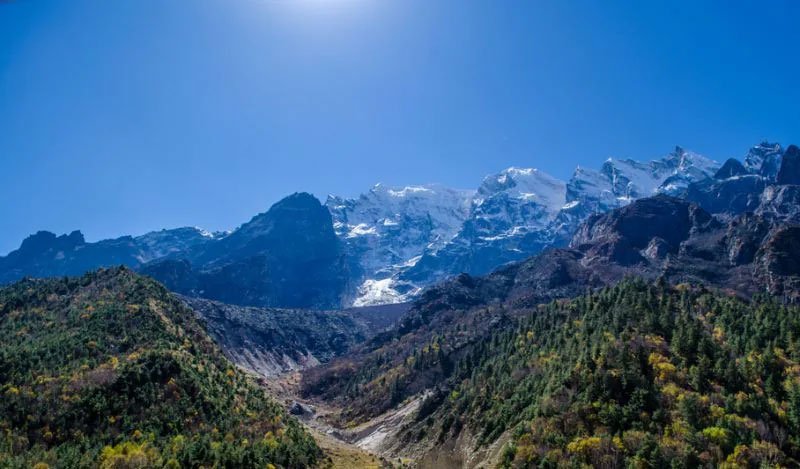
Dominating the eastern horizon above Har Ki Dun rises the awe-inspiring massif of Swargarohini (6,252m). According to the sacred Mahabharata epic, it was up the treacherous ice ridges of Swargarohini that the Pandava brothers and Queen Draupadi attempted to ascend bodily to heaven (Swarga), with only King Yudhishthira and his faithful dog reaching the celestial gates.
Cultural heritage inside Govind National Park is extraordinary. Nestled along the trail are ancient wooden villages like Osla, Seema, and Gangarh, where indigenous communities practice a distinctive lifestyle unchanged for centuries. In Osla, a monumental multi-tiered wooden temple adorned with intricate wood carvings and animal skulls is dedicated to Lord Someshwar (Shiva).
Beyond Har Ki Dun lies the mystical high-altitude glacial lake of Ruinsara Tal (3,500m), worshipped by local villagers and framed by the towering summits of Bandarpoonch and Black Peak (Kalanag, 6,387m). For extreme adventurers, the park is crossed by famous high mountain passes like Bali Pass (4,950m) and Borasu Pass (5,450m) leading into Himachal’s Kinnaur.
Govind National Park is a critical ecological stronghold for the endangered snow leopard, musk deer, Himalayan tahr, bharal (blue sheep), serow, and the majestic bearded vulture (lammergeier).
Snow recedes, unveiling lush green meadows and wild alpine flowers. Ideal weather for the Har Ki Dun, Ruinsara Tal, and high mountain pass treks.
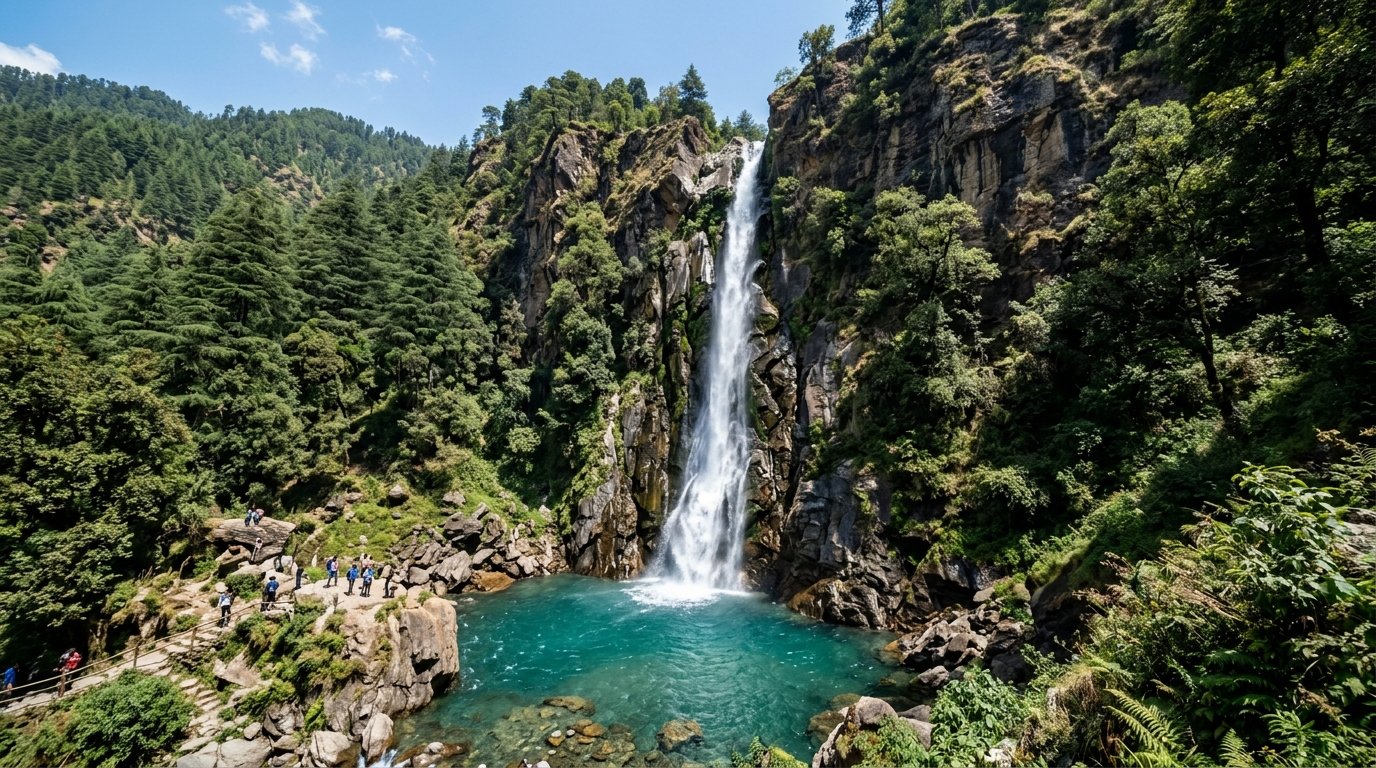
Hills turn intensely emerald green with rushing waterfalls. River currents in Supin swell; mud on trails requires good waterproof footwear and precaution.
Deep winter snowfall blankets the valley in thick powdery snow. A paradise for winter snow trekkers; sub-zero gear and thermal clothing are mandatory.
 Valley of Gods
01
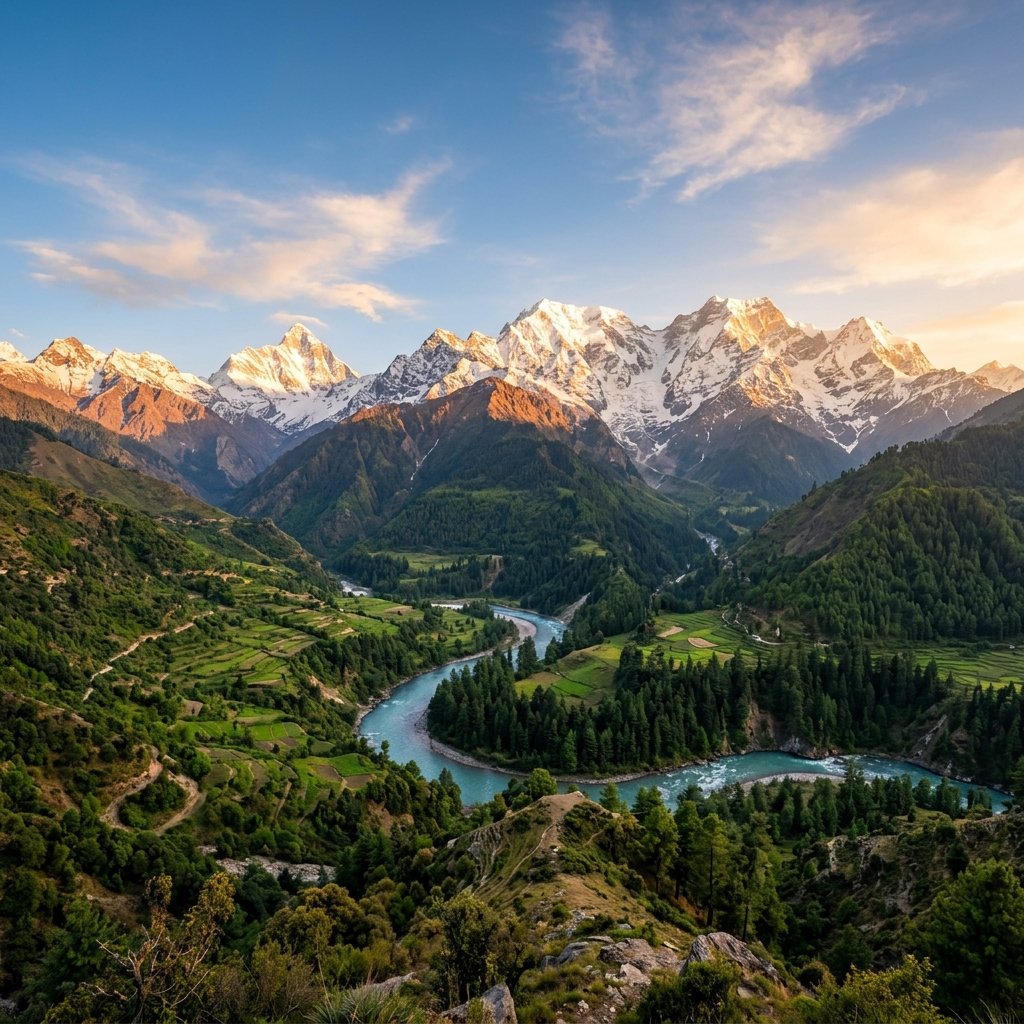 Mythological Peak
02
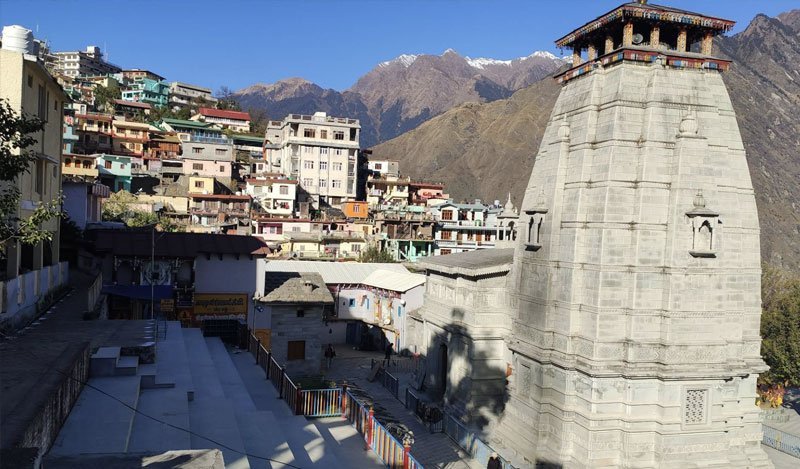 Tribal Heritage
03
 Sacred Alpine Lake
04
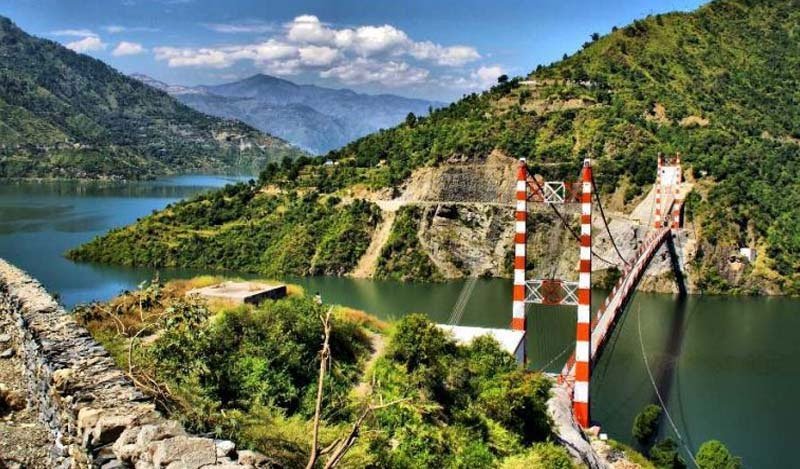 Trekker Hub
05
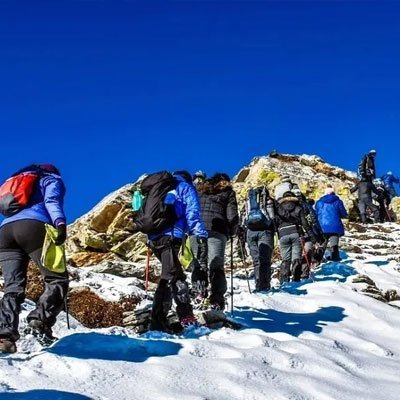 Glacier Trek
06
Hike 47 km round-trip from Taluka alongside the turquoise Supin River through pine woods and ancient wooden villages to Har Ki Dun.
Walk through cobblestone pathways, examine intricate wooden carvings on the Someshwar temple, and converse with traditional shepherd elders.
Pitch canvas tents beside the emerald waters of Ruinsara Tal, watching the golden sunset reflect on the icy face of Black Peak (Kalanag).
Spot iridescent Himalayan monals flitting through pine canopies and herds of blue sheep grazing across the high scree slopes of Har Ki Dun.
Nature
Heritage
Adventure
Nature
Adventure
Nature
 Adventure
 Nature
 Nature
 Nature
 Spiritual
Adventure
Forest Department Entry Permit: Trekking inside Govind National Park requires an official entry permit obtained at the forest check-post in Netwar or Sankri. Carry passport photos and government ID proof.
Hire Local Guides & Mules at Sankri: Always hire registered local guides and porters at Sankri village. They possess intimate knowledge of mountain weather, river crossings, and emergency shelters.
No Mobile Network Past Purola / Mori: Mobile networks (even BSNL) are virtually non-existent past Mori and Sankri. Inform your family about connectivity blackout before departing Sankri.
High-Altitude Sleeping Bag Essential: Night temperatures in Har Ki Dun drop below freezing even in May and October. Ensure you carry a down sleeping bag rated to at least -5°C to -10°C.
Carry Cash from Dehradun: The last dependable bank ATMs are located in Purola or Mori. Sankri has no reliable ATMs, so carry sufficient cash for all trek expenses, guide fees, and gear rentals.
Respect Village Customs: Osla and neighboring villages hold deep traditional customs. Always ask permission before photographing villagers or entering temple courtyards.
Frequently asked questions on Govind National Park: Har Ki Dun trek difficulty, permits, Sankri, and stays.
Govind National Park is a sacred alpine realm where ancient legends and pristine wilderness walk hand in hand. Standing in the silent majesty of Har Ki Dun as morning light ignites the icy crest of Swargarohini, one feels transported into the timeless golden age of the gods.
Start Planning Your Trip →Explore More: Tons Valley & High Garhwal