Summer
April – June
12°C – 26°C
Delightfully cool and invigorating climate. Ideal for exploring ancient stone temples, hiking up to Banasur Ka Kila, and visiting tea plantations and ashrams in nearby Lohaghat.
Historic Capital of Chand Rulers & Legend of Kurmanchal · Kumaon
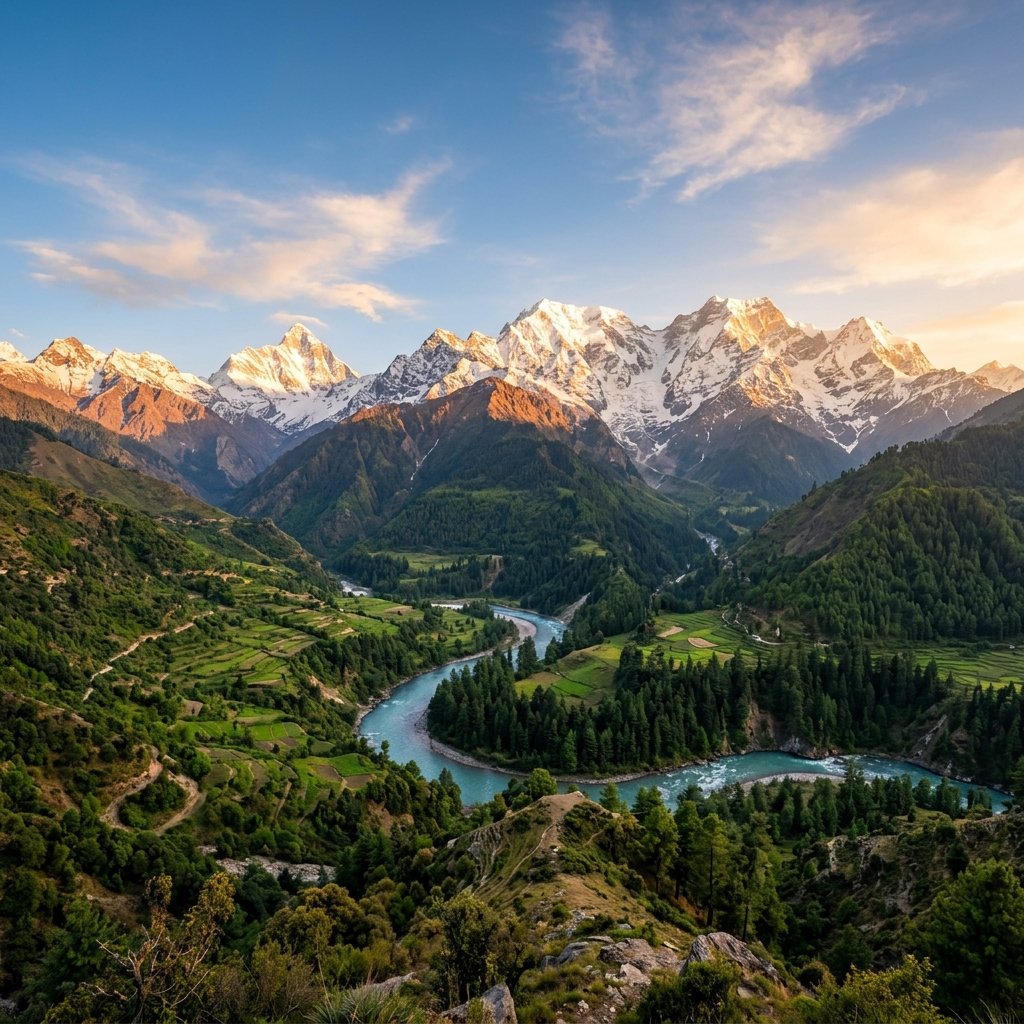
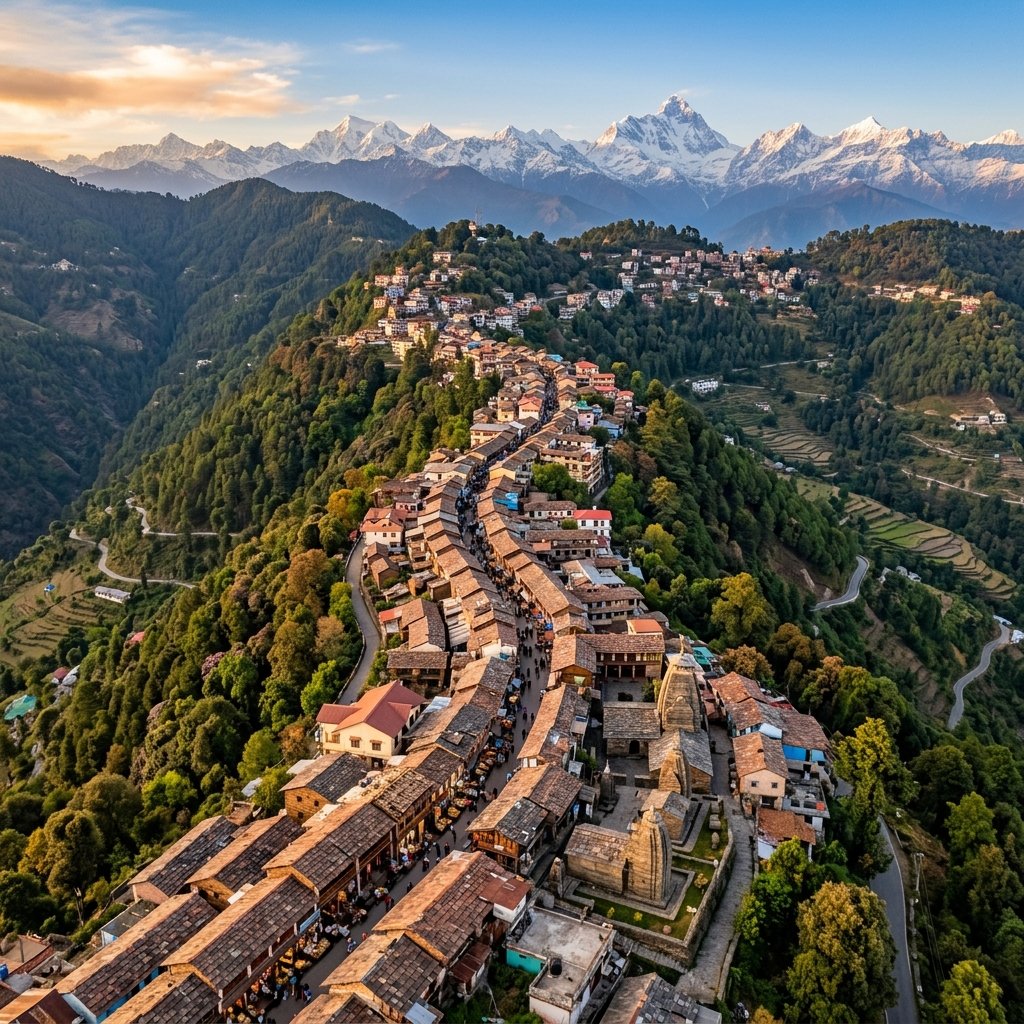
Cradled in the verdant southeastern hills of Kumaon at an altitude of 1,610 metres, Champawat is an extraordinary historical treasure trove. For over five centuries—from the 10th to the 16th century—this picturesque town reigned supreme as the illustrious capital of the Chand dynasty, before they shifted their royal court to Almora.
Champawat holds immense spiritual significance as the legendary land of Kurmanchal. According to Hindu mythology, it was on the summit of Kranteshwar (Kurmapratisht) hill overlooking Champawat that Lord Vishnu assumed his second incarnation as Kurma (the cosmic tortoise) to support Mount Mandara during the churning of the celestial ocean (Samudra Manthan).
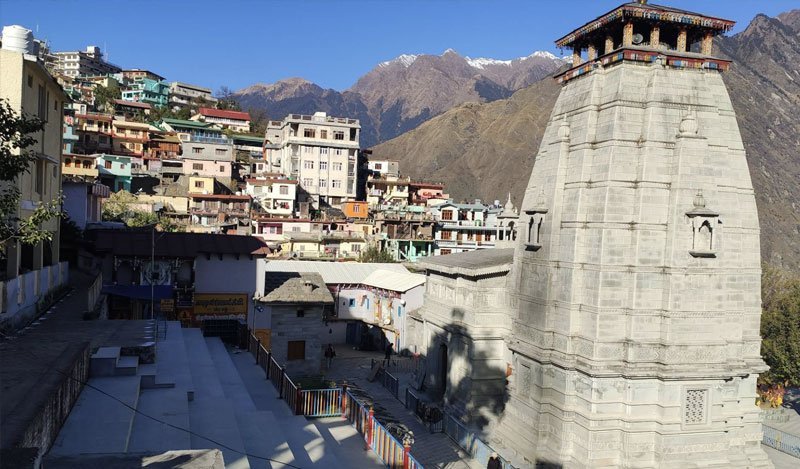
The crown architectural jewel of Champawat is the breathtaking Baleshwar Temple complex. Dedicated to Lord Shiva and built between the 10th and 12th centuries by early Chand monarchs, this ASI-protected monument displays some of the most intricate and sophisticated stone filigree carvings in all of Northern India, with lifelike celestial damsels, deities, and geometric friezes carved into dark volcanic stone.
Perched dramatically on a rugged mountain ridge 7 km from town stands Banasur Ka Kila (Lohaghat road). Folklore connects this medieval stone citadel to the demon king Banasur, whose thousand arms were severed by Lord Krishna in epic combat. The fort commands breathtaking 360-degree vistas across Kumaon’s rolling valleys into western Nepal.
Nearby architectural wonders include Ek Hathiya Ka Naula, a fascinating stone-carved water stepwell constructed in 1236 AD by a master artisan using only his single left hand after his right hand was severed by a jealous king. The reservoir continues to dispense sweet crystal-clear mountain water to this day.
Just 9 km away lies the peaceful sanctuary of Mayawati Ashram (Advaita Ashram), surrounded by dense pine forests where Swami Vivekananda spent several weeks in profound meditation in 1901. Champawat offers an enchanting blend of history, myth, and tranquil pine wilderness.
Delightfully cool and invigorating climate. Ideal for exploring ancient stone temples, hiking up to Banasur Ka Kila, and visiting tea plantations and ashrams in nearby Lohaghat.
Gentle mists drape over the ancient stone shrines and deodar canopies. Terraced hills turn incandescent green; perfect for leisurely heritage discovery.
Crisp, sunny mountain days with frosty mornings and evenings. Snowfall occasionally graces higher ridges like Kranteshwar Mahadev and Abbott Mount.
 Architecture
01
 Spiritual
02
 Fortress
03
 Heritage
04
 Spiritual Retreat
05
 Pilgrimage
06
Examine breathtaking 1,000-year-old stone sculptures of celestial dancers, celestial serpents, and intricate mandalas carved by Katyuri masons.
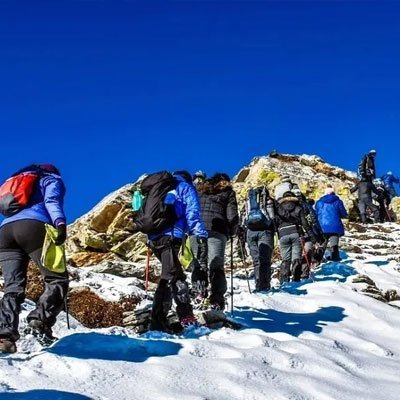
Hike 6 km through chir pine forests up to Kranteshwar summit for glorious morning views of Panchachuli and Trishul snow peaks.
Stroll through the whispering cedar groves of Advaita Ashram, visit the heritage library, and meditate in the hall where Vivekananda sat.
Walk along the narrow stone crest leading to the ruins of Banasur’s citadel, savoring endless panoramas of terraced Kumaoni hills.
Heritage
 Heritage
Adventure
Spiritual
 Nature
Spiritual
 Spiritual
 Nature
 Heritage
Nature
Spiritual
Heritage
Combine with Abbott Mount & Lohaghat: Champawat, Lohaghat (14 km), and Abbott Mount (21 km) form an unbeatable heritage trio that can be comfortably explored in 2–3 days.
Tanakpur Route is Fastest: The newly upgraded NH-9 all-weather highway from Tanakpur to Champawat offers wide two-lane smooth driving with stunning valley vistas.
Respect Temple Sanctity at Baleshwar: Remove footwear at the ASI entrance gate. Photography of the external stone carvings is permitted, but avoid touching fragile ancient reliefs.
Taste Sweet Reetha: If visiting Gurudwara Reetha Sahib, taste the miraculous sweet soapnuts distributed as prasad, traditionally known to be intensely bitter elsewhere.
Comfortable Walking Shoes: Exploring Banasur Ka Kila, Kranteshwar, and Ek Hathiya Naula involves dirt trails and stone steps. Wear sturdy walking footwear.
Cash for Local Markets: While Champawat town has functioning bank ATMs, card and UPI payments can face network lag in rural outskirts and hill trails.
Frequently asked questions on Champawat: Baleshwar temple, history, how to reach, and attractions.
Champawat is a realm where the myths of Kurma and the architectural genius of the Chand dynasty merge in timeless tranquility. From the breathtaking stone filigree of Baleshwar Temple to the silent cedar groves of Mayawati, Champawat invites travelers to step into a forgotten chapter of Himalayan royalty and peace.
Start Planning Your Trip →Explore More: Kumaon Heritage & Foothills