Summer
April – June
8°C – 20°C
Velvet green bugyals emerge from winter snows. Rhododendron blossoms paint the mountain canopies scarlet and pink. Ideal for trekking, birdwatching, and camping.
Largest Protected Area in Western Himalayas · Musk Deer Haven
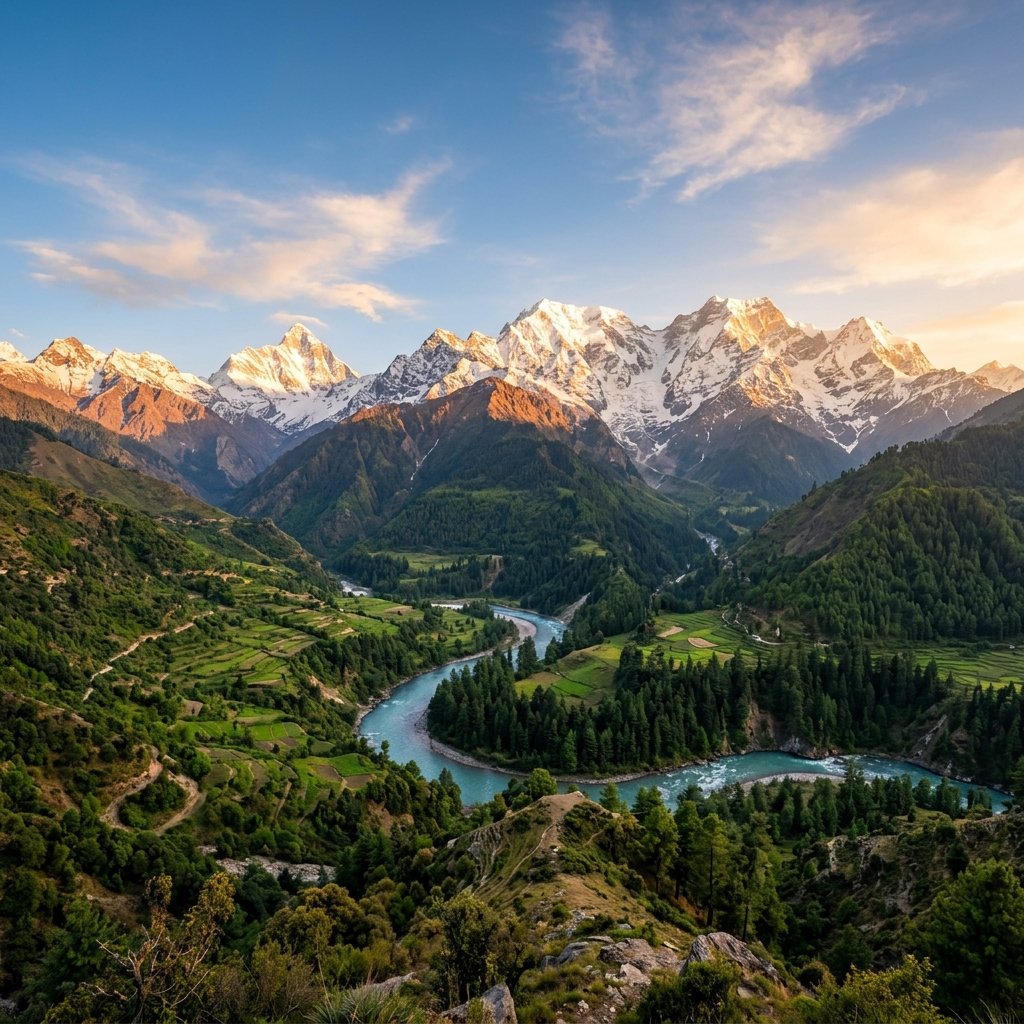
Sprawling across a monumental 975 square kilometers across the Chamoli and Rudraprayag districts of Garhwal, Kedarnath Wildlife Sanctuary (also known as the Kedarnath Musk Deer Sanctuary) is the largest protected area in the Western Himalayas. Established in 1972 primarily to rescue the critically endangered Himalayan musk deer (Moschus leucogaster) from extinction, this extraordinary sanctuary encompasses one of the most dramatic elevation gradients on earth, rising from 1,160 metres in subtropical river valleys to the dizzying heights of Chaukhamba Peak at 7,068 metres.
The ecological diversity of the sanctuary is staggering. Dense forests of oak, chir pine, deodar, and weeping cypress give way at higher elevations to ancient birch (bhojpatra) and spectacular expanses of scarlet, pink, and white rhododendrons (buransh). Above the treeline lie vast rolling bugyals (alpine meadows) carpeted in rare high-altitude medicinal herbs and wildflowers.
A centerpiece of conservation inside the sanctuary is the Kanchula Korak Musk Deer Breeding Centre, located on the Chopta-Gopeshwar highway. Set amidst dense dense oak forests, this center facilitates research, scientific breeding, and conservation awareness for the shy musk deer, known for the prized aromatic secretion (kasturi) produced by males.
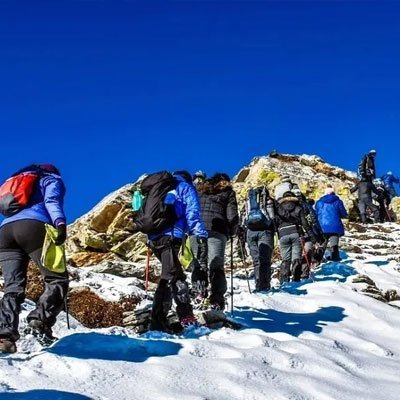
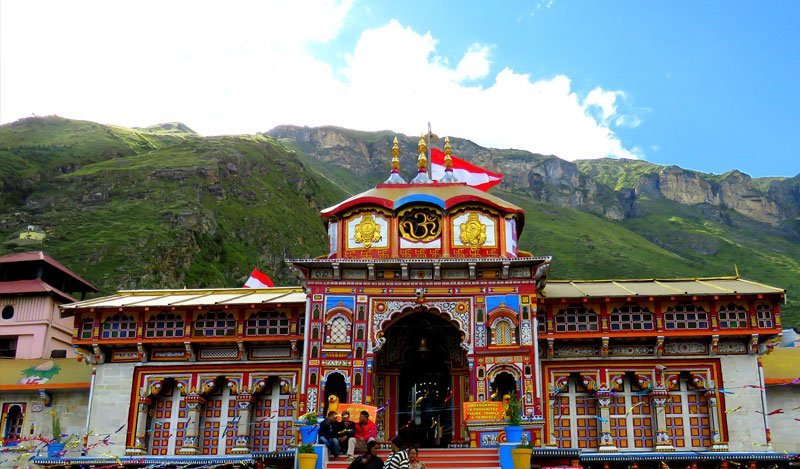
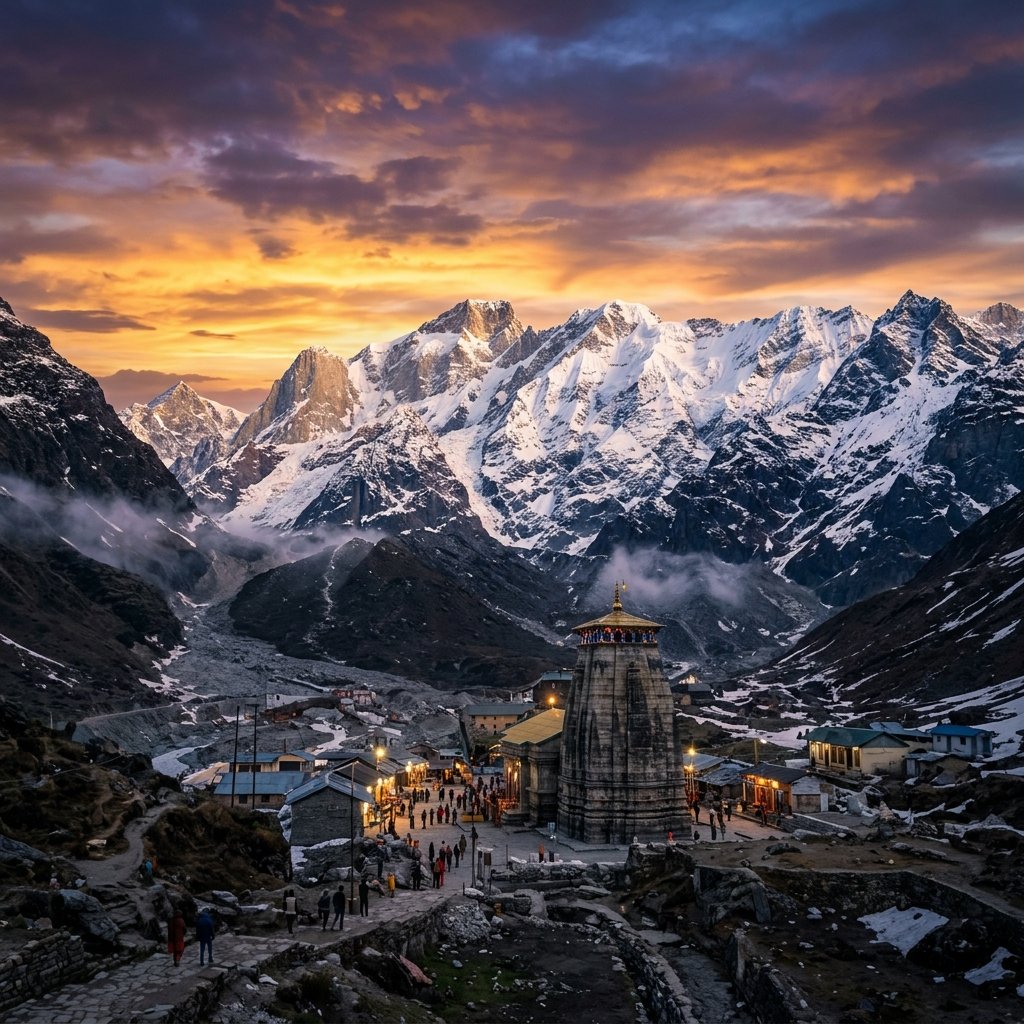
The sanctuary is also home to world-renowned high-altitude trekking circuits. It cradles the velvet pastures of Chopta ("Mini Switzerland of India"), the ancient shrine of Tungnath (3,680m), the soaring crest of Chandrashila Peak (4,000m), and the emerald reflection waters of Deoria Tal.
Fauna within this protected biosphere includes the snow leopard, Himalayan tahr, bharal (blue sheep), serow, leopard cat, Himalayan brown and black bears, and over 250 bird species including the iridescent Himalayan monal (Uttarakhand's state bird), koklass pheasant, and bearded vulture.
Kedarnath Wildlife Sanctuary offers travelers and nature lovers a rare glimpse into the untamed biological richness and primordial wilderness of the high Himalayas.
Velvet green bugyals emerge from winter snows. Rhododendron blossoms paint the mountain canopies scarlet and pink. Ideal for trekking, birdwatching, and camping.
Hills turn intensely vibrant and misty. Wild alpine flowers carpet the bugyals; rain showers can be frequent, so carry waterproof gear and check mountain roads.
Heavy snowfall transforms higher reaches like Chopta and Tungnath into a winter wonderland. Ideal for winter snow trekking; warm thermals and snow boots are essential.
 Breeding Sanctuary
01
 Mini Switzerland
02
 Highest Shiva Shrine
03
 Mirror Lake
04
 Alpine Pasture
05
 Eco Tourism
06
Visit Kanchula Korak to observe Himalayan musk deer in their natural oak forest habitat and learn about conservation initiatives.
Trek quietly along the Chopta-Tungnath trail with binoculars to spot the dazzling multi-colored plumage of the Himalayan monal pheasant.
Hike 14 km through pristine oak and rhododendron canopies past Rohini Bugyal with continuous views of the snow-clad Chaukhamba range.
Sleep in canvas tents beneath giant deodars at Dugalbitta or Sari village, gazing at millions of stars away from all city pollution.
Nature
Adventure
Nature
 Spiritual
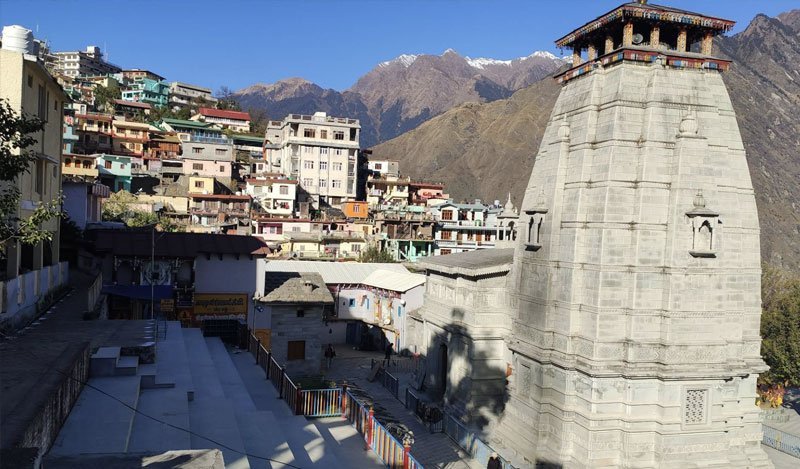 Spiritual
 Heritage
Nature
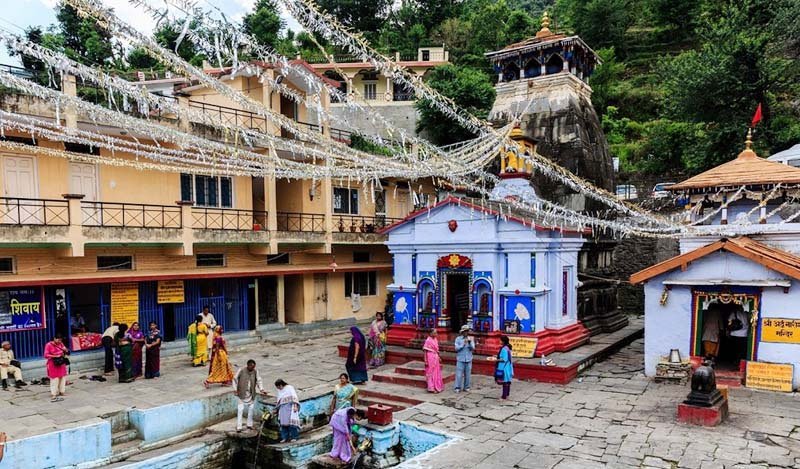 Spiritual
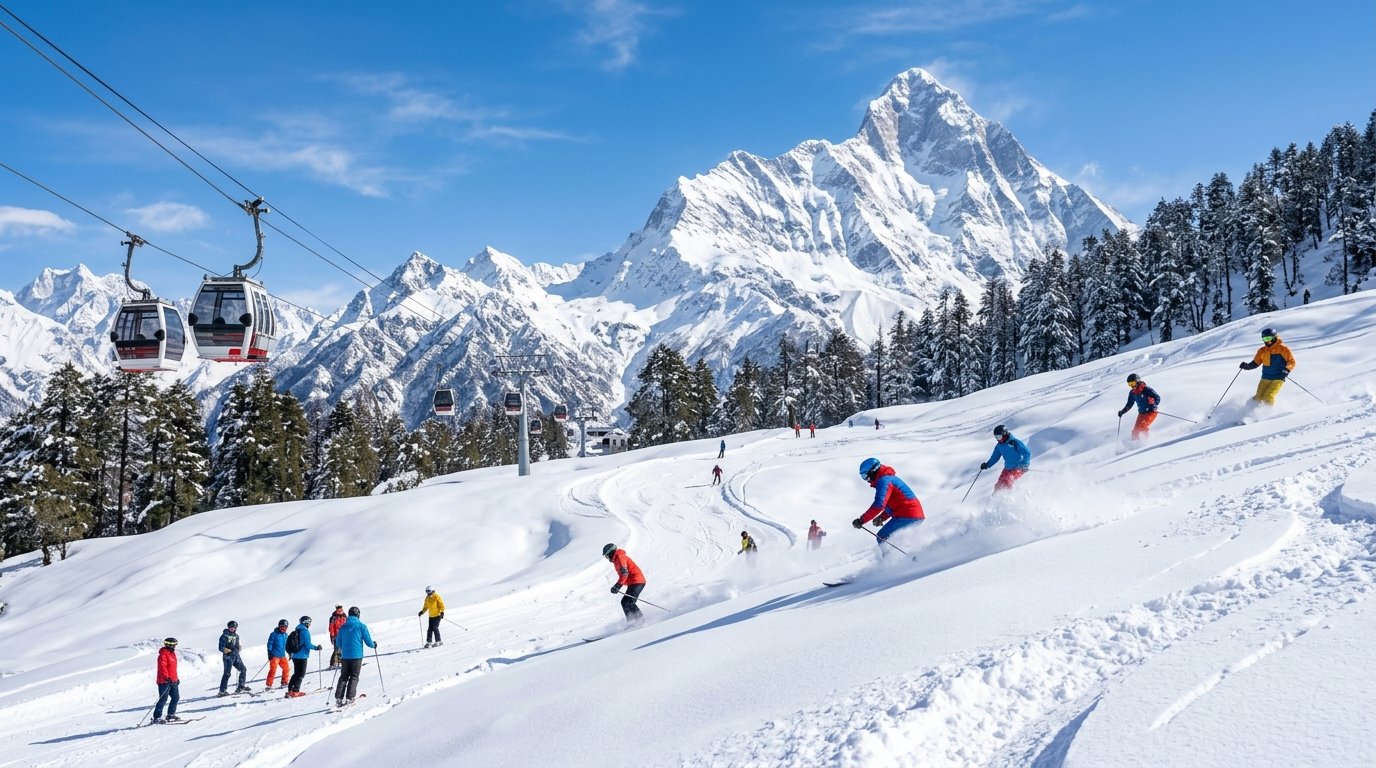 Adventure
Nature
Nature
Visit Kanchula Korak Early: Musk deer are shy, solitary animals most active during early morning and late dusk hours. Visit Kanchula Korak between 7:00 AM and 9:00 AM for the best chance of spotting them.
Forest Department Regulations: Kedarnath Wildlife Sanctuary is a strictly protected reserve. Single-use plastics, loud music, campfires in core zones, and night driving through forest passes are prohibited.
Binoculars for Birding: Carry good binoculars (8x42 or 10x42) to observe the iridescent plumage of the Himalayan monal and cheer pheasants in the tree canopies.
Eco-Friendly Camping: Camp only in designated buffer campsites in Chopta, Dugalbitta, or Sari. Dispose of all personal trash responsibly and use eco-toilets.
Weather Fluctuations: High-altitude mountain weather can shift rapidly from bright sunshine to chilly rain or fog within minutes. Always carry rain gear and layered warm clothing.
No Fuel Pumps in Sanctuary: There are no petrol or diesel stations between Ukhimath and Gopeshwar. Fill your fuel tank at Kund or Gopeshwar before crossing the forest pass.
Everything you need to know about Kedarnath Wildlife Sanctuary: musk deer, Chopta trails, wildlife, and permits.
Kedarnath Wildlife Sanctuary is an untouched high-altitude Eden where ancient deodars whisper tales of the wild and snow leopards roam untracked crags beneath Chaukhamba. Stepping into this emerald sanctuary, one feels the pristine, untamed majesty of the high Himalayas in every breath of crisp mountain air.
Start Planning Your Trip →Explore More: Western Garhwal Biospheres