Discover secluded stone churches, 13 heritage British bungalows, panoramic Himalayan ridges, and the mystical river confluences of eastern Kumaon at 1,981 metres.
From solitary stone chapels in cedar woods to epic hilltop fortresses, peaceful meditation ashrams, and the roaring Kali-Saryu confluence — these five places define Abbott Mount's secluded romance.
A comprehensive guide to every must-visit attraction on Abbott Mount's tranquil ridge and the adjoining Lohaghat-Champawat circuit — ancient temples, heritage architecture, and Himalayan vistas.
Heritage
01
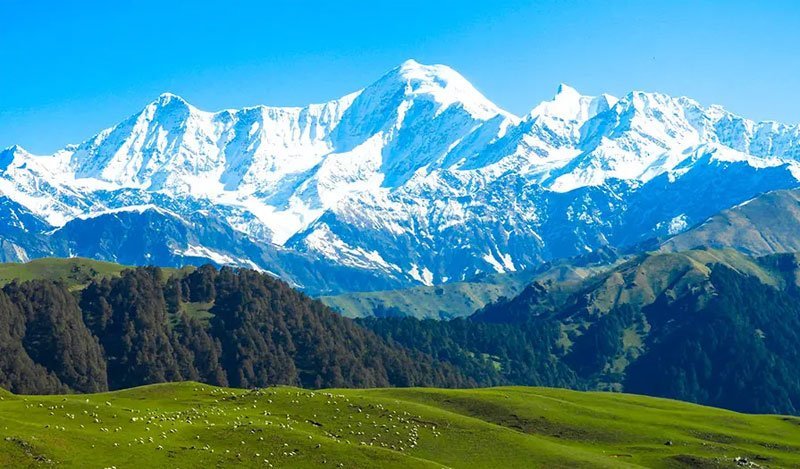
Consecrated in 1942 during the Second World War, this quaint stone chapel—often known locally as St. John in the Wilderness—stands nestled among whispering deodar groves and pine trees. The chapel features antique wooden pews, stone-carved arches, and an adjacent historic cemetery where early British residents were laid to rest. On crisp mornings, the snow-dusted summits of Trishul and Nanda Devi form a breathtaking backdrop behind its stone cross.
Viewpoint
02
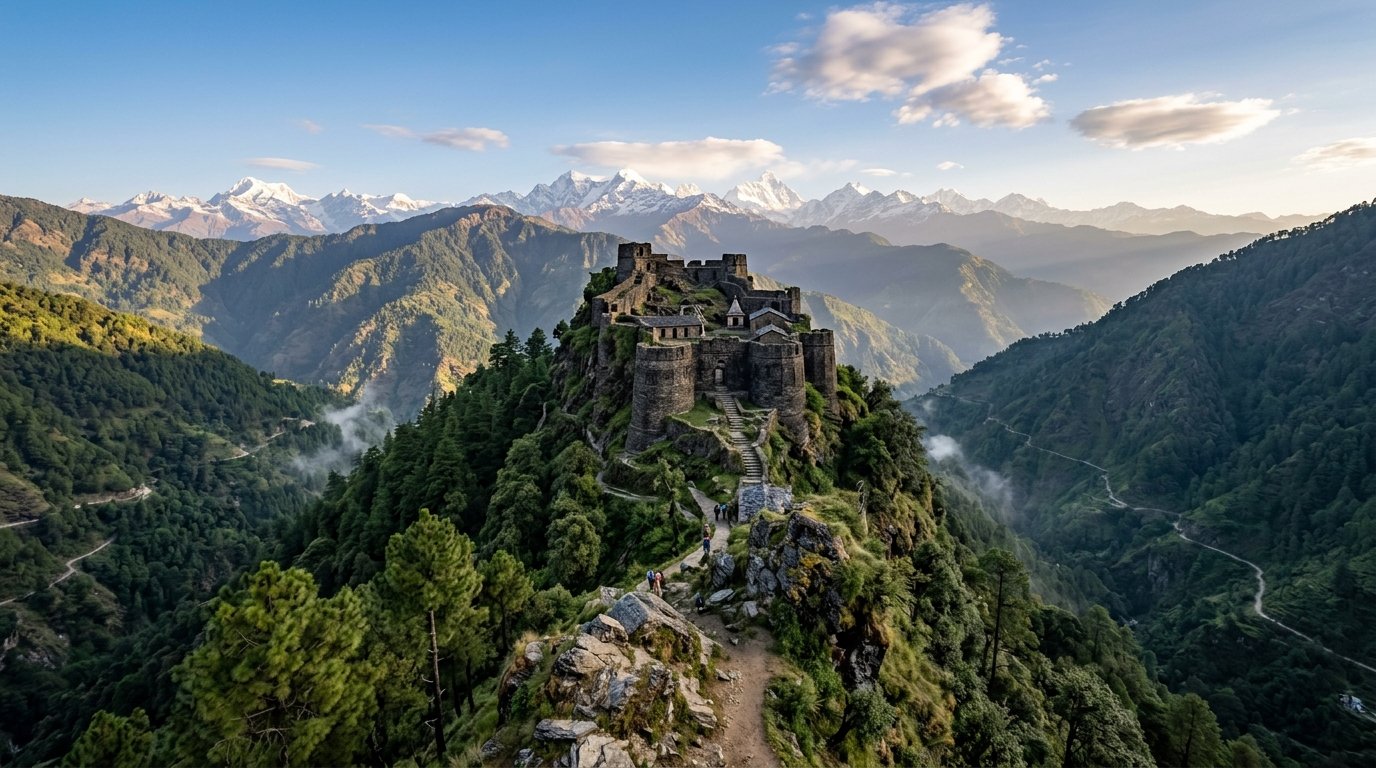
Perched dramatically at an elevation of 1,859 metres, this medieval fortress is steeped in mythological lore. According to Hindu mythology, it was the stronghold of the demon king Banasur, whose thousands of arms were severed by Lord Krishna in an epic duel. The 1.5 km uphill footpath through oak and rhododendron forest rewards hikers with unhindered 360-degree vistas stretching across the Lohaghat basin to the Great Himalayan divide.
Spiritual
03
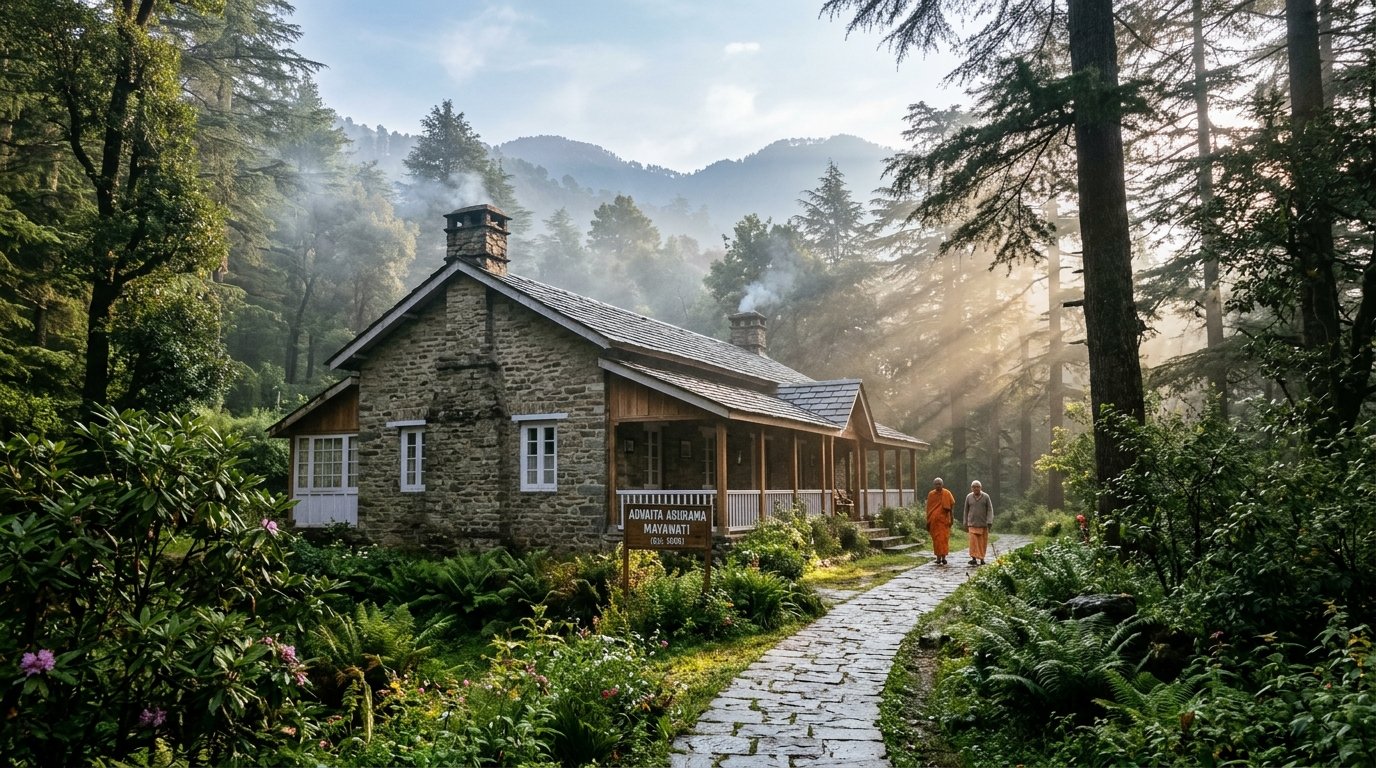
Founded on March 19, 1899, by Swami Vivekananda's disciples Captain and Mrs. Sevier under the direct inspiration of Swamiji himself, Advaita Ashrama is unique in the Ramakrishna order. In accordance with Vivekananda's wish, no images, idols, or formal ritualistic worship are practiced here—only deep meditation, study, and service. Surrounded by virgin deodar forests, it remains the editorial headquarters of the historic journal Prabuddha Bharata.
Heritage
04
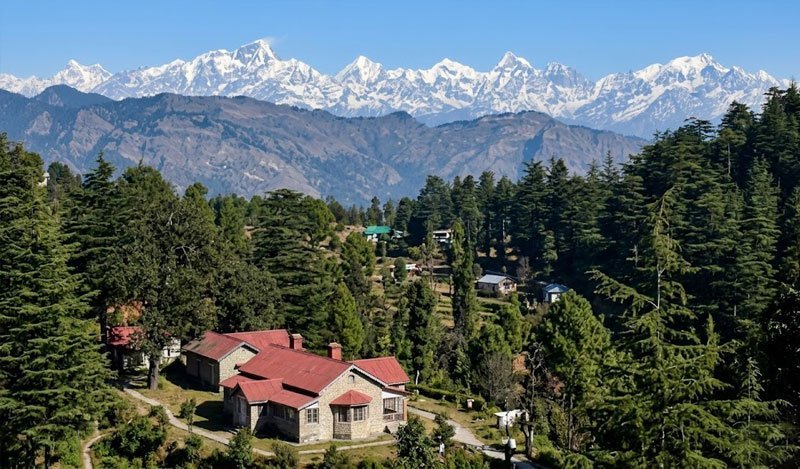
In 1914, English merchant John Harold Abbott established this hill retreat, constructing 13 stone-and-timber cottages with sloping red tin roofs, massive stone fireplaces, and European bay windows. A stroll along the tranquil ridge road connects these heritage estates. Among them stands Bungalow No. 9 and the infamous 'Mukti Kothari' (Doctor Morris's hospital ward), which gave rise to intriguing local folklore and ghost tales.
Nature
05
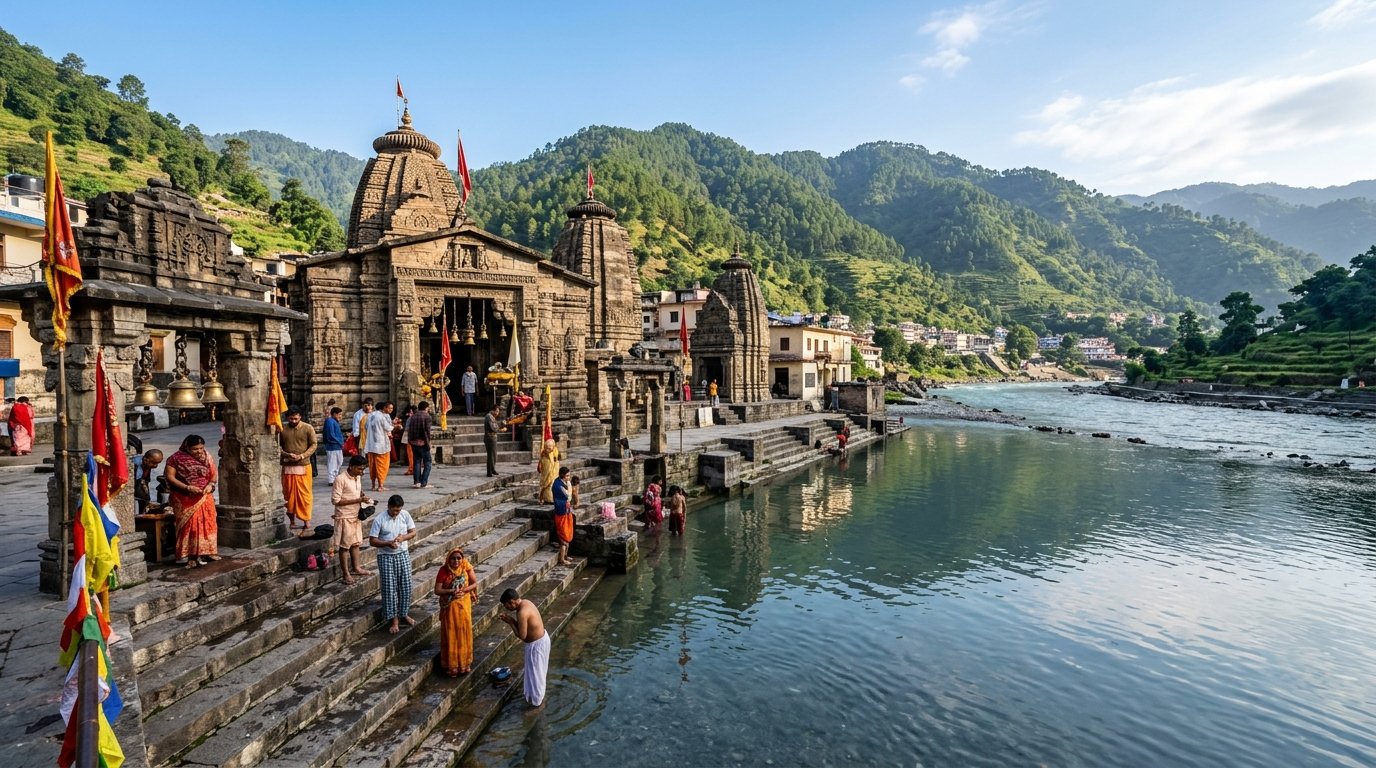
Located at the confluence of the sacred Kali and Saryu rivers right on the international border with Nepal, Pancheshwar is a breathtaking river sanctuary. Beside the sacred underground Shiva temple where Lord Shiva is worshipped as the protector of cattle, this gorge is world-renowned among international sport anglers as one of the premier catch-and-release habitats for the legendary fighting Golden Mahseer.
Spiritual
06
An architectural wonder built between the 10th and 12th centuries CE by the Chand dynasty rulers of Kumaon. Dedicated to Lord Shiva, the Baleshwar complex is celebrated for its South-Indian stone carving influences, elaborately sculpted ceilings, intricate Nagara spires, and historic stepwell (Naula). It is protected as a National Monument of Archaeological Survey of India (ASI).
Spiritual
07
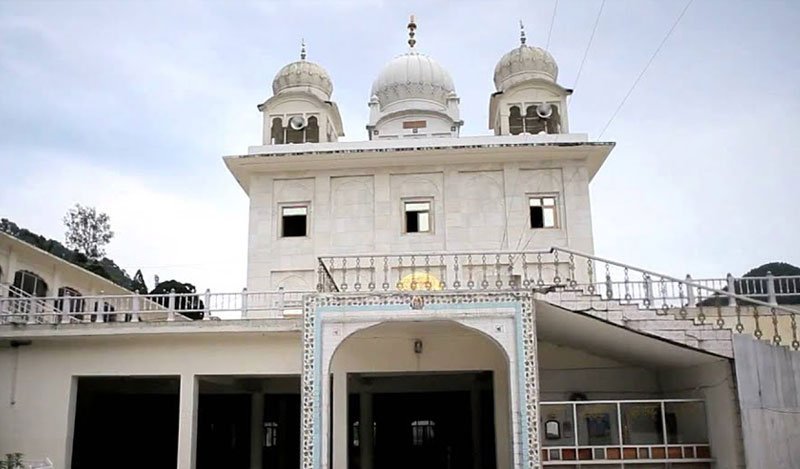
One of the holiest Sikh shrines in the Kumaon hills, situated at the confluence of the Lodhiya and Ratiya rivers. Tradition holds that the first Sikh Guru, Guru Nanak Dev Ji, arrived here with his companion Bhai Mardana. When Mardana felt intense hunger, Guru Nanak blessed a branch of normally bitter soapnut (Reetha) trees, causing its fruits to turn miraculously sweet—a tree whose sweet nuts are still distributed as prasad.
Heritage
08
Carved out during the British Raj by John Harold Abbott and fellow tea-planters, this natural grassy opening holds the distinction of being one of the world's highest and most scenic natural cricket grounds at nearly 2,000 metres. Enclosed by tall Himalayan cedar trees with glimpses of Himalayan snow peaks between the branches, it serves as a peaceful picnic spot and sunset meadow today.
Spiritual
09
Perched at the highest point of Kurmanchal hill at an altitude of approximately 2,100 metres, this ancient Shiva temple is intimately connected to the legend that gave 'Kumaon' its name (from Kurmavatara, Lord Vishnu's tortoise incarnation). Known locally as Kandev and Kurmapad, the temple commands sweeping views over the Indo-Nepal river valleys and terraced mountain ridges.
Nature
10
The historic township of Lohaghat sits on the banks of the Lohawati River at 1,754 metres, famed for its temperate climate, colonial cottages, and sweet local buransh (rhododendron) squashes. Walking trails wind through dense forests of oak and pine along the riverbanks, leading to tranquil viewpoints and traditional Kumaoni stone bazaars serving freshly brewed mountain tea.
Try selecting another category pill or reset the filters above.
Ensure an unforgettable journey to one of Kumaon's quietest and most pristine high-altitude ridge outposts with these practical tips.
March to June brings pleasant temperatures (14°C–26°C) with blooming crimson rhododendrons. October to November delivers the sharpest crystal-clear Himalayan vistas. December and January experience biting winter frosts and occasional dusting of snow.
Only a small handful of the original 13 colonial cottages (such as Abbott Mount Cottage & Jhala Cottage) take guests. Because rooms are limited and demand is high among nature lovers, advance reservations of 3–4 weeks are essential, especially for weekends.
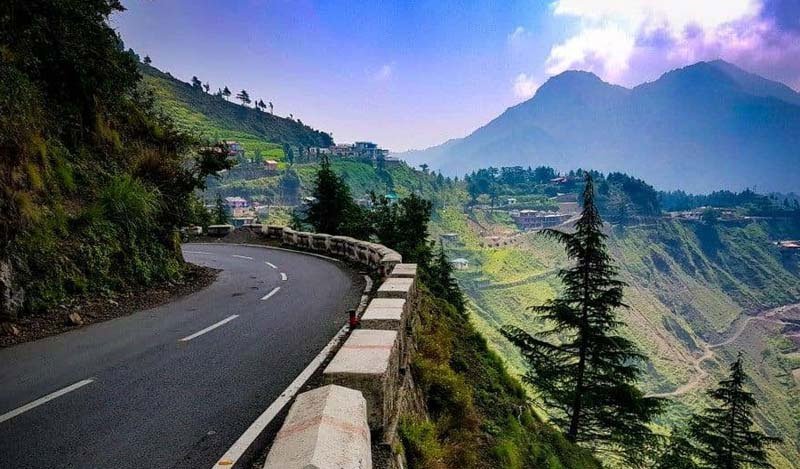
Abbott Mount is 7 km uphill from Lohaghat. Nearest railhead is Tanakpur (80 km, 3 hrs) or Kathgodam (160 km, 5.5 hrs). The mountain road from Lohaghat to the ridge is single-lane and peaceful; hiring a local cab from Lohaghat or driving an SUV is best.
Mayawati Advaita Ashrama observes strict silence; mobile phones and loud speech are prohibited. For fishing the famed Golden Mahseer at Pancheshwar, obtain catch-and-release permits in advance and always hire experienced local river guides.
Have queries regarding heritage cottages, best viewpoints, trekking trails, or how to reach Abbott Mount? Find all key answers below.
From morning mist drifting through century-old cedar woods and solitary stone chapels to the roaring confluences and sacred peaks of eastern Kumaon, Abbott Mount promises timeless peace and authentic Himalayan wonder. Start planning your getaway today.
Explore More: Champawat & Kumaon Travel