Summer
May – June
4°C – 16°C
Sunny and crisp days with melting snow exposing green alpine bugyals and blooming rhododendrons. The opening season for regulated buffer-zone treks.
UNESCO World Heritage Biosphere · Sacred Glacial Sanctuary of India's Second-Highest Peak
Enclosed within a formidable natural fortress of twelve colossal 7,000-metre snow peaks in Chamoli district, Nanda Devi National Park is one of the most spectacular, pristine, and ecologically protected wilderness areas in the world. Dominated by the soaring twin crowns of Mount Nanda Devi (7,816m), India's second-highest summit, this 630-square-kilometre glaciated basin was inscribed as a UNESCO World Heritage Site in 1988.
The geographical isolation of the Nanda Devi Sanctuary is legendary. For centuries, the inner sanctum was completely unreachable by human foot until the historic 1934 expedition of British mountaineers Eric Shipton and H.W. Tilman, who forced a perilous route through the sheer, vertical rock cliffs of the Rishi Ganga gorge, one of the deepest and most treacherous river canyons on earth.
The park encompasses extraordinary glacial ecosystems, including the massive Uttari (North) and Dakshini (South) Nanda Devi glaciers, surrounded by giants like Dunagiri (7,066m), Trishul (7,120m), and Kalanka (6,931m). Its lower valleys are blanketed with virgin birch, juniper, and rhododendron forests that yield to high alpine bugyals dotted with rare Himalayan blue poppies and Brahma Kamal.
Due to strict conservation measures following decades of environmental strain, the Inner Sanctuary remains strictly closed to commercial tourism, allowing an undisturbed haven for endangered wildlife. The park protects thriving populations of the elusive snow leopard, Himalayan musk deer, mainland serow, bharal (blue sheep), and the magnificent Himalayan black bear.
Mythologically, Mount Nanda Devi is revered by the people of Garhwal and Kumaon as the divine personification of Goddess Nanda (Bliss-Giving Goddess), the consort of Lord Shiva. Every twelve years, the monumental Nanda Devi Raj Jat pilgrimage sees thousands of barefoot devotees traverse high mountain ridges to honor their patron mountain deity.
For conservationists, high-altitude botanists, and mountaineers, Nanda Devi stands as the ultimate Himalayan sanctuary—a monument to the primeval power and untamed sanctity of high-mountain wilderness.
Sunny and crisp days with melting snow exposing green alpine bugyals and blooming rhododendrons. The opening season for regulated buffer-zone treks.
Lush greenery and blooming alpine flora throughout the Rishi Ganga gorge. Trekkers must exercise caution regarding trail slippery spots and mountain mists.
The park is completely snowbound and closed to all visitors. Glaciers expand and temperatures drop far below freezing in the inner sanctuary.
 India's Second-Highest Peak
01
 High Alpine Bugyal · 9 km trek
02
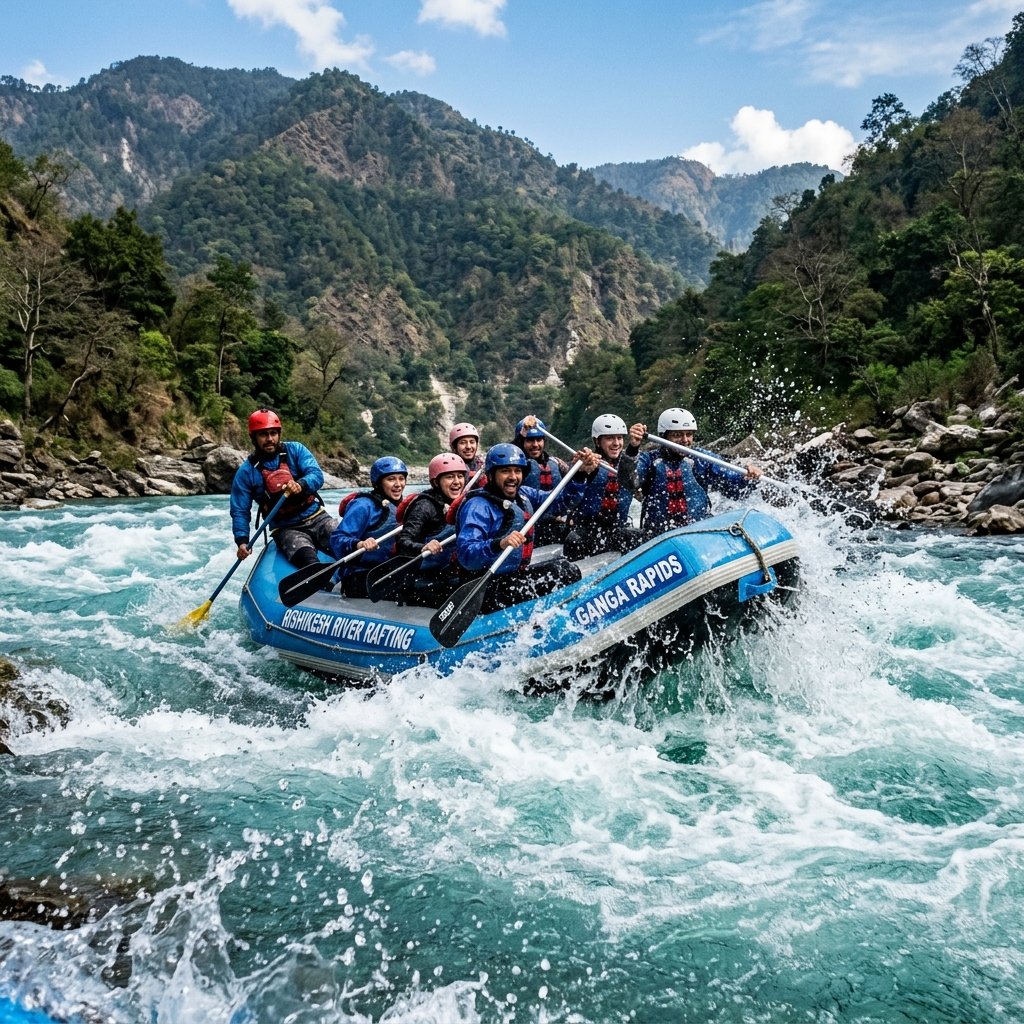 Challenging Mountain Pass
03
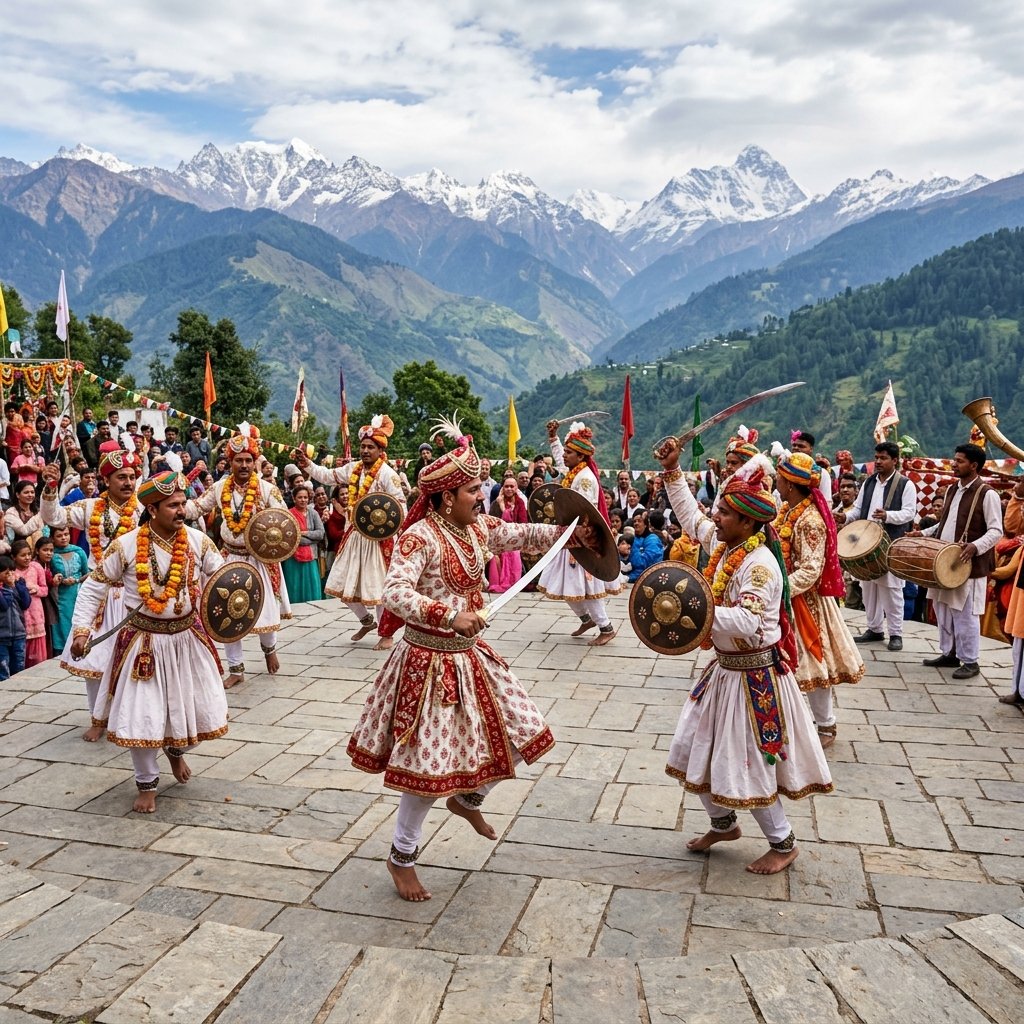 Impenetrable Granite Canyon
04
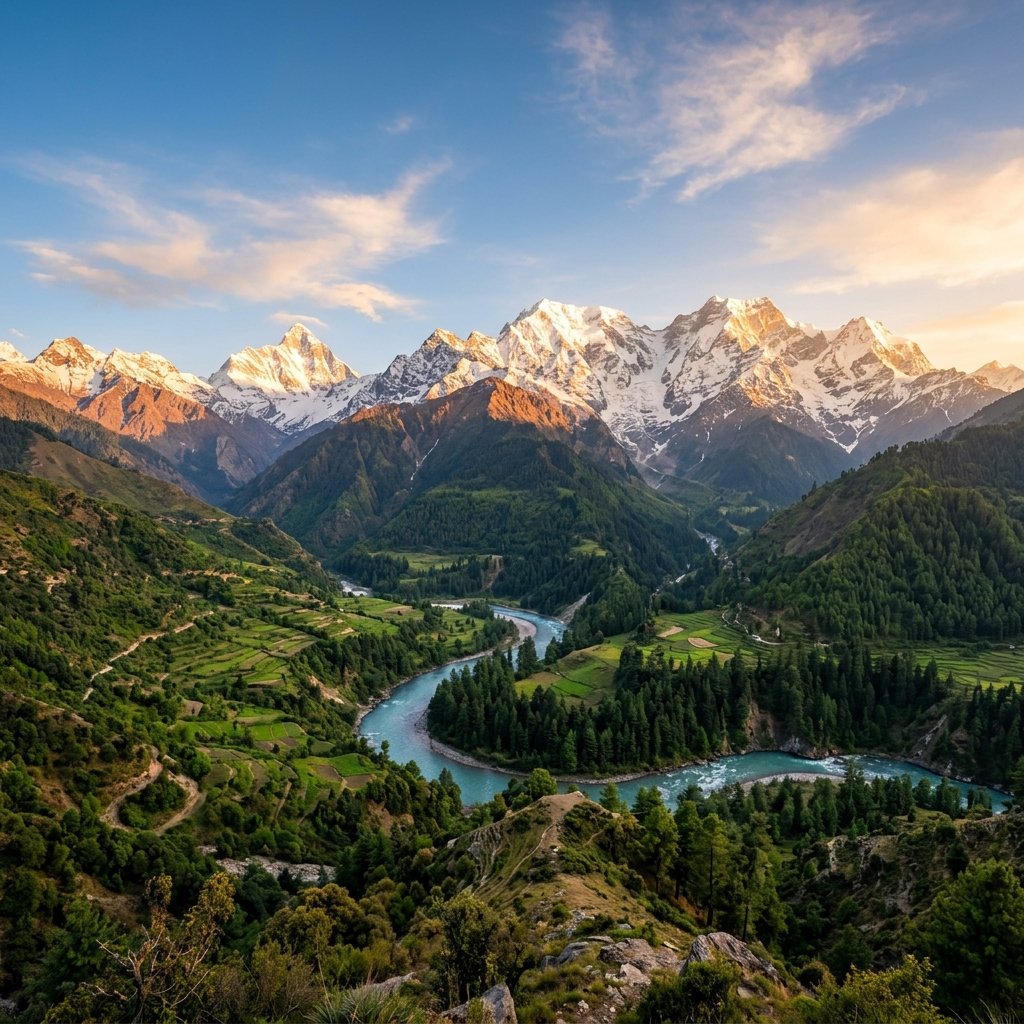 Traditional Bhotia Village · 2,317m
05
 Administrative Base · 25 km
06
Trek with certified local guides from Lata village to Bhekal Kharak, Lata Kharak, and Dharansi Pass at 4,250m.
Look for Blue Sheep (Bharal) grazing on cliff ledges, Himalayan monal pheasants, and traces of snow leopards.
Capture staggering close-up panoramas of Mount Dunagiri (7,066m), Bethartoli Himal, and Mount Nanda Devi.
Walk through dense forests of silver birch (Bhojpatra), junipers, and rare Himalayan blue poppies blooming above 3,500m.
 Spiritual
 Adventure
 Spiritual
 Adventure
Nature
 Spiritual
 Nature
 Spiritual
 Nature
 Spiritual
 Spiritual
 Spiritual
Forest Permits Strictly Regulated: Permits must be secured from the Divisional Forest Officer (DFO) in Joshimath with medical fitness certificates and ID proofs.
Authorized Guide Mandatory: Visitors cannot enter the park without a registered, authorized mountain guide and porters from the local community.
Strict Cap on Visitors: To preserve ecological integrity, only two groups of up to 5 persons per week are permitted on the Lata Kharak trek.
Acclimatize in Joshimath First: Spend at least 24 hours at Joshimath (1,890m) before attempting the steep ascent to Lata Kharak (3,689m) to prevent AMS.
Zero Waste & Strict Conservation: All non-biodegradable waste is strictly cataloged at the forest check-post and must be brought back to Joshimath.
Self-Contained Camping Equipment: There are no commercial lodges or permanent structures in the park; all food, fuel, and four-season tents must be packed.
Everything you need to know about Nanda Devi National Park: permits, inner sanctuary rules, wildlife, and UNESCO status.
Nanda Devi National Park is an awe-inspiring citadel of pure, untouched nature where the sacred Goddess of Garhwal reigns supreme amid walls of eternal ice and granite. Standing on the high windswept ridge of Lata Kharak as golden alpenglow illuminates the twin summits of Nanda Devi, one feels a profound reverence for one of the greatest natural sanctuaries on earth.
Start Planning Your Trip →Explore More: UNESCO Biosphere & High Chamoli