Summer
June
8°C – 18°C
The park opens as winter snow rapidly melts. Early shoots of alpine flora and green grasses emerge against snowy glacier backdrops.
UNESCO World Heritage Alpine Paradise · 500+ Wildflower Species Beneath Glaciated Peaks
Tucked away in the high-altitude glacial meadows of Chamoli district at an elevation between 3,352 and 3,658 metres, the Valley of Flowers National Park is an enchanting botanical wonderland of global renown. Immortalized in 1931 by British mountaineer Frank S. Smythe, this 87-square-kilometre glaciated valley was inscribed as a UNESCO World Heritage Site in 1988, celebrated as one of the most stunning floral sanctuaries on earth.
During the brief monsoon window from July to September, the valley awakens from months of deep winter snow to erupt in an extraordinary riot of color. Over 500 species of wild alpine flowers—including rare orchids, primulas, anemones, marigolds, daisies, and the elusive Himalayan Blue Poppy (Meconopsis)—transform the meadows into an undulating, fragrant tapestry of scarlet, gold, purple, and azure.
Cutting through the heart of the floral expanse is the roaring Pushpawati River, born from the hanging glaciers of the surrounding mountain walls. Towering above the floral pastures are the majestic glaciated sentinels of Rataban, Nilgiri Parvat, and Gauri Parvat, whose glistening snow ramparts create a breathtaking contrast with the vibrant wildflowers below.
Along a gentle rise near the center of the valley stands a touching memorial stone dedicated to Joan Margaret Legge, a botanist from the Royal Botanic Gardens at Kew who tragically lost her life here in 1939 while collecting floral specimens. Her tombstone bears the moving epitaph: "I will lift up mine eyes unto the hills from whence cometh my help."
The valley is also a fragile wildlife sanctuary, sheltering elusive species like the Asiatic black bear, snow leopard, musk deer, red fox, and brilliant iridescent Himalayan monals and high-altitude butterflies flitting among blossoming flora.
Accessible via a thrilling 10-kilometre trek from the base village of Ghangaria, the Valley of Flowers offers an ethereal communion with the purest and most delicate expressions of nature's beauty, a living Garden of Eden nestled in the high Himalayas.
The park opens as winter snow rapidly melts. Early shoots of alpine flora and green grasses emerge against snowy glacier backdrops.
The magical peak flowering season! Millions of blossoms—including the legendary Blue Poppy and Brahma Kamal—blanket the entire valley floor.
Flowers give way to golden autumn grasses and crystal-clear blue skies before the valley closes on October 31. Buried under deep snow all winter.
 UNESCO Core Zone · 3,658m
01
Historic Memorial Stone (1939)
02
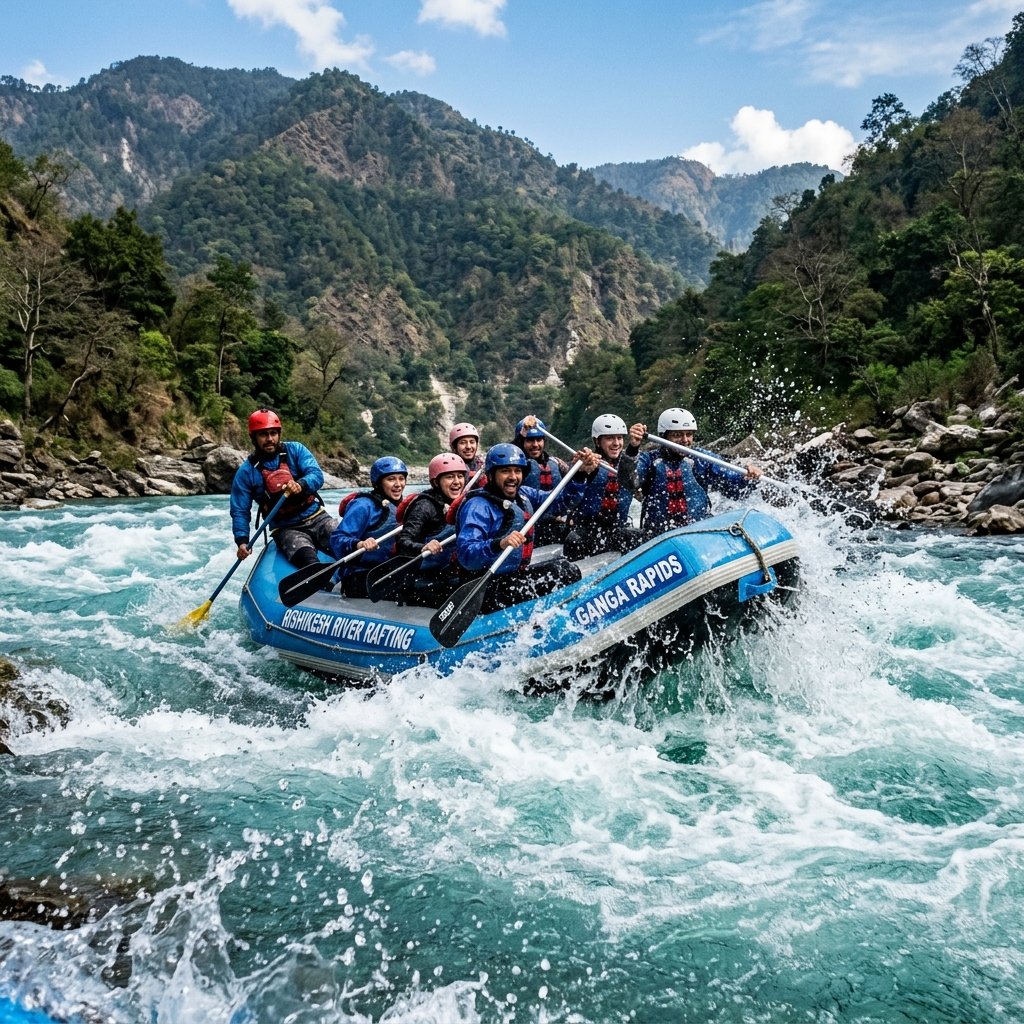 Roaring Meltwater River
03
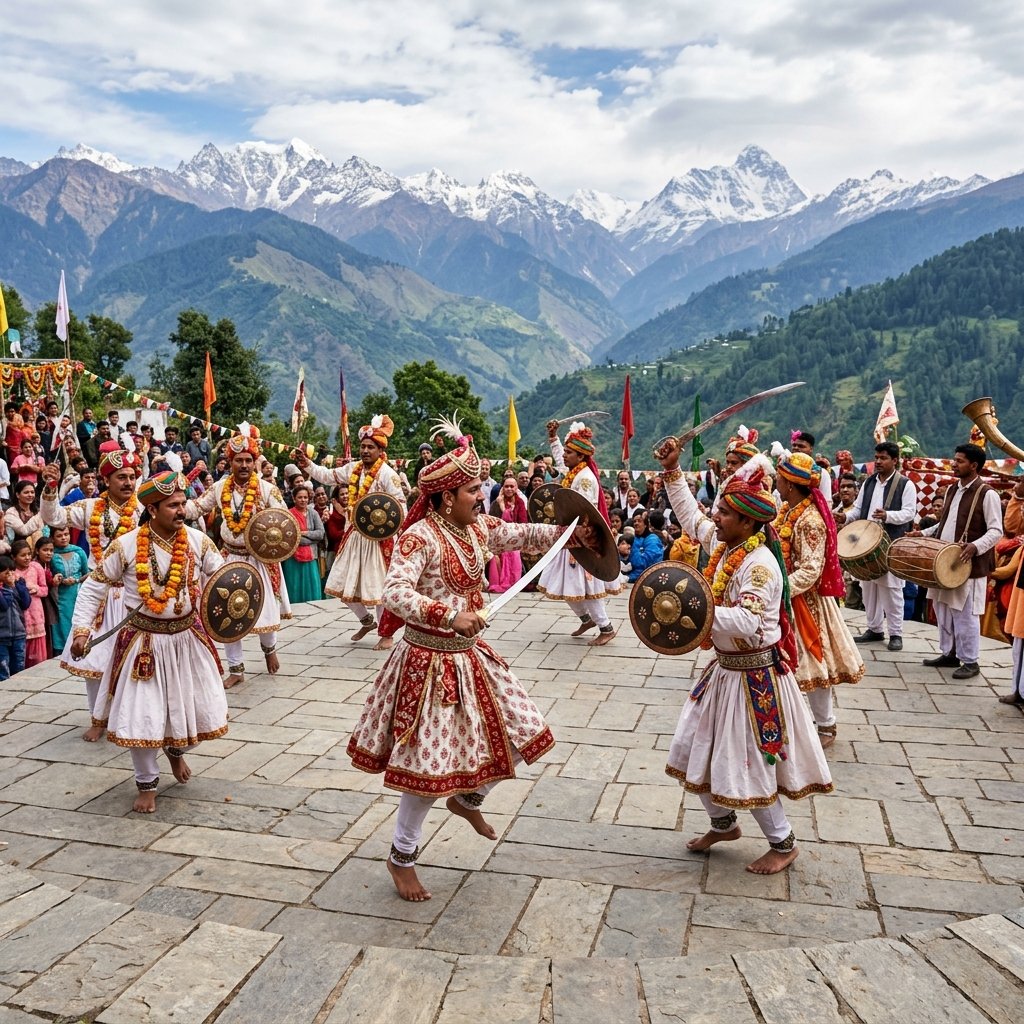 Trekking Staging Village
04
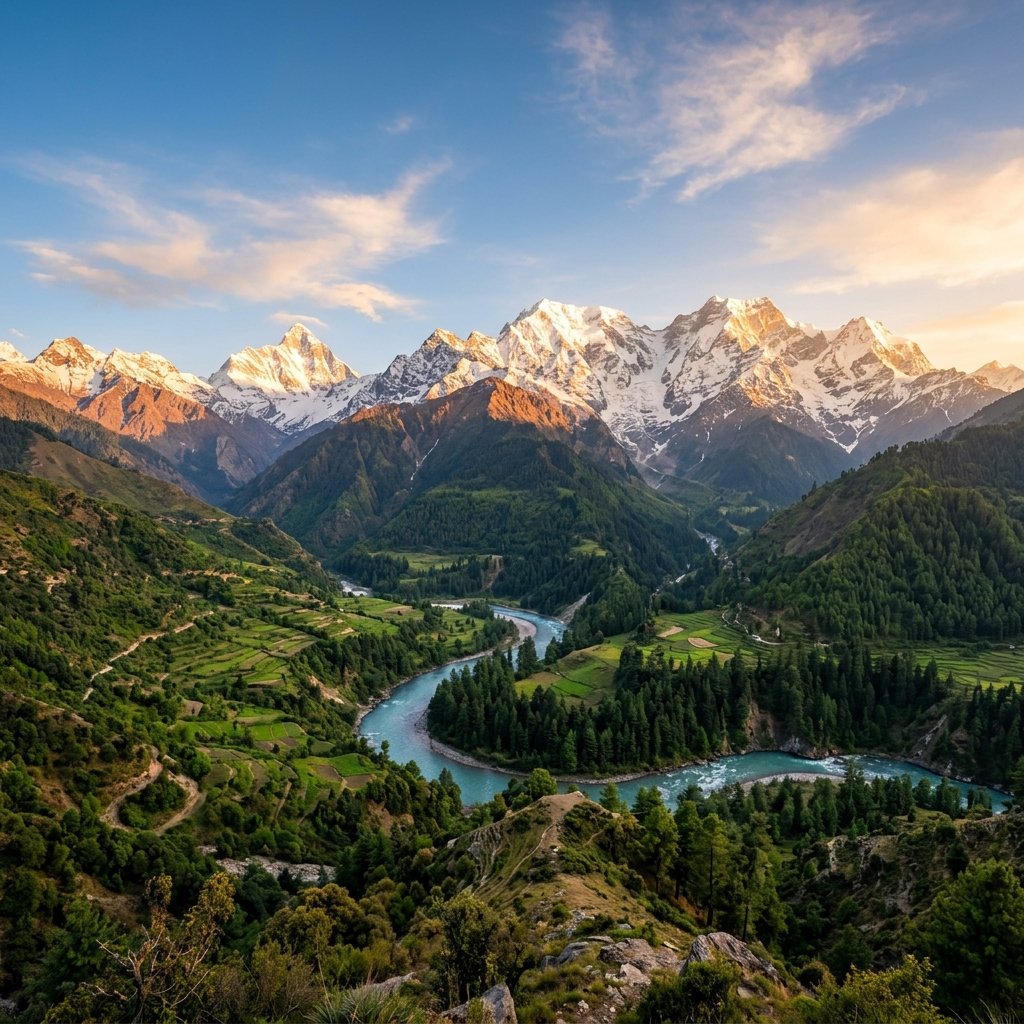 High-Altitude Sikh Shrine · 4,329m
05
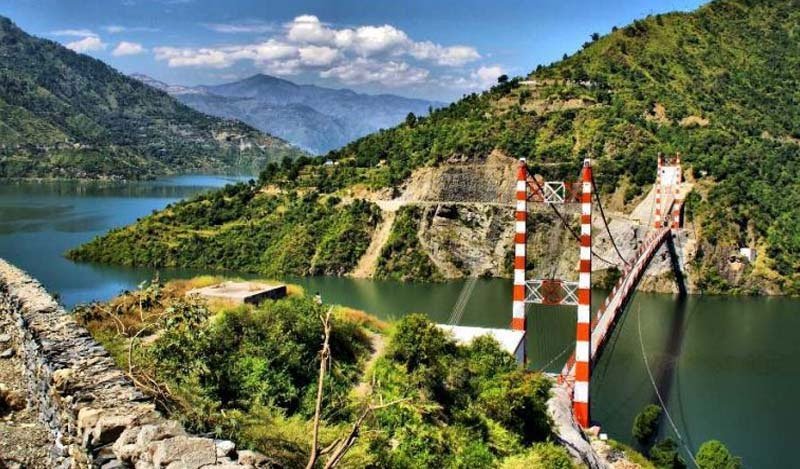 Roadhead Base · 1,828m
06
Hike the 4-km trail from Ghangaria into the national park, wandering across undulating floral meadows beside the Pushpawati.
Identify the rare Himalayan Blue Poppy (Queen of Himalayan flowers), Brahma Kamal, Cobra Lily, and golden potentillas.
Capture dew-dropped petals, iridescent butterflies, and cascading glacial waterfalls set against snowy granite peaks.
Climb the steep 6-km stone staircase to the sacred glacial lake of Hemkund Sahib (4,329m) surrounded by 7 snowy peaks.
 Nature
 Spiritual
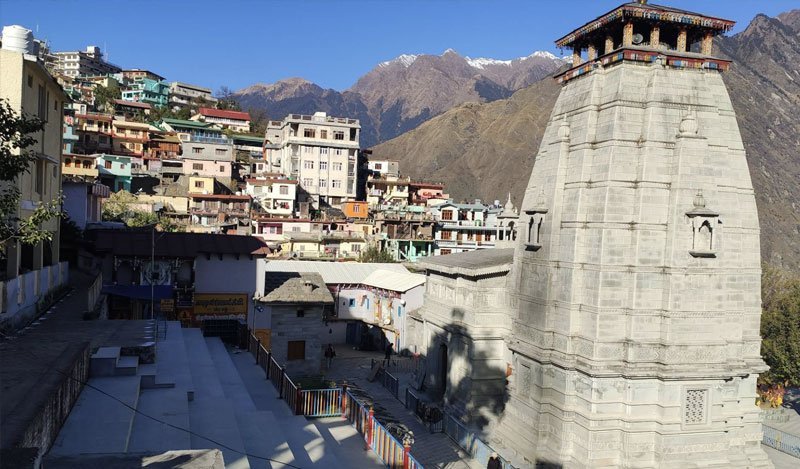 Spiritual
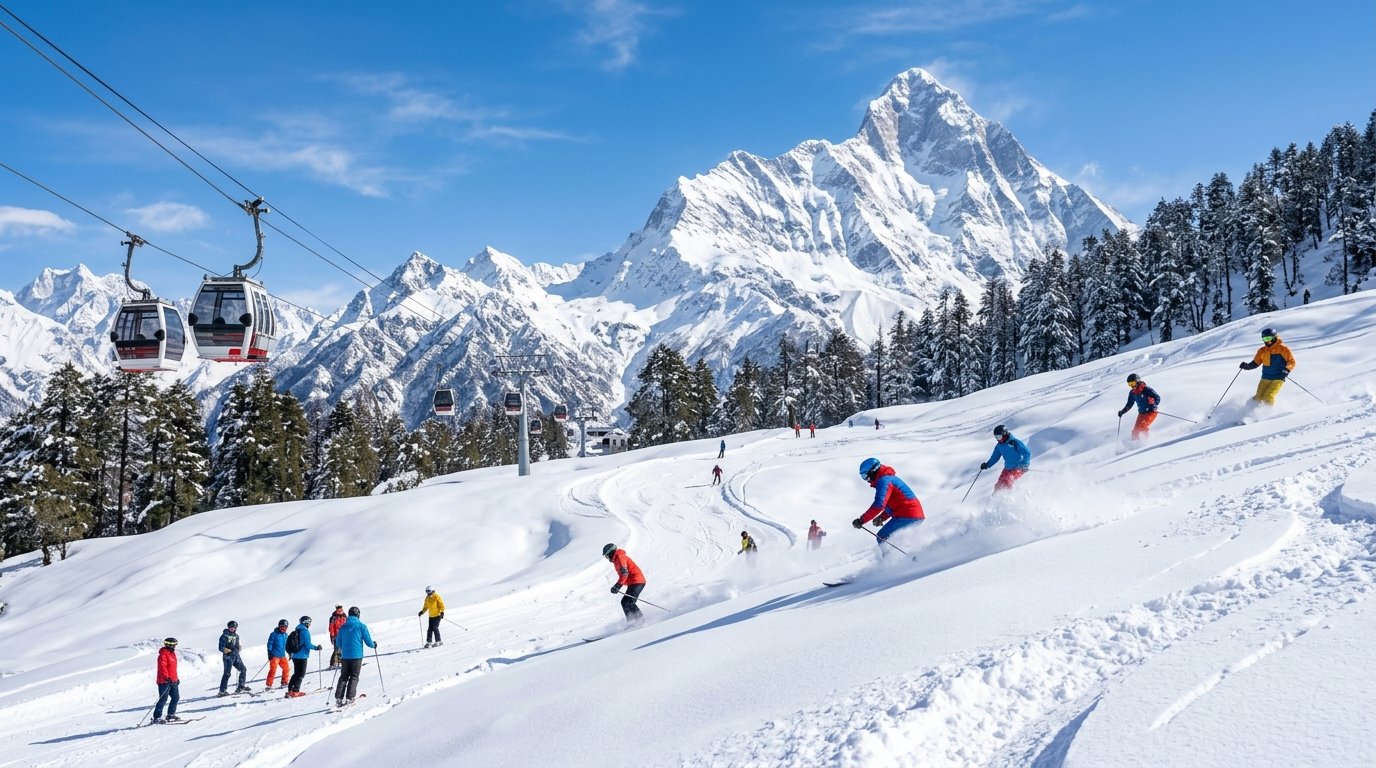 Adventure
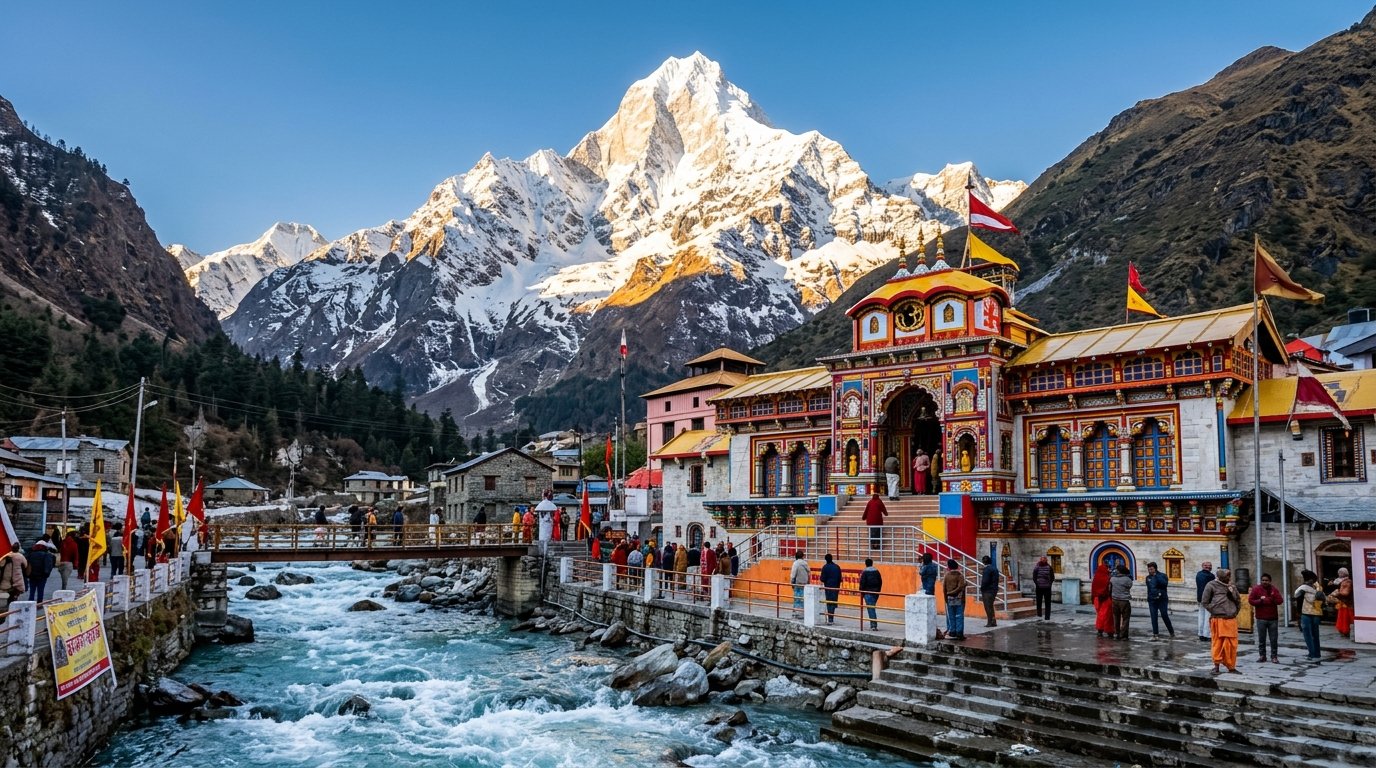 Spiritual
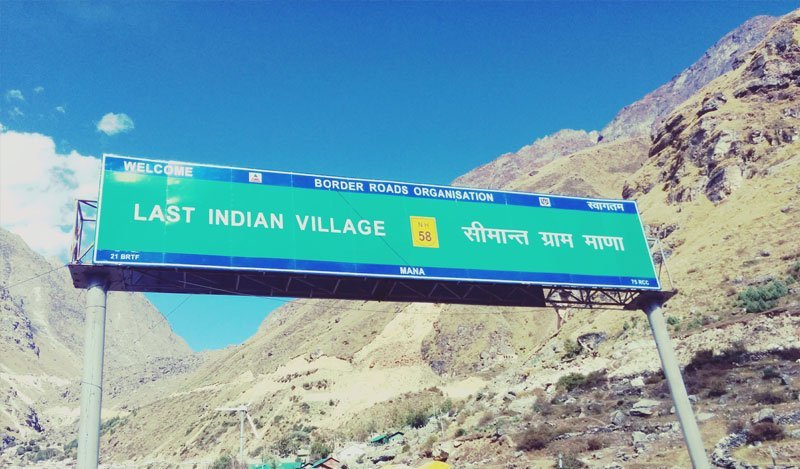 Adventure
 Nature
 Spiritual
 Nature
 Spiritual
 Spiritual
 Spiritual
Timing is Everything for Flowers: Visit between mid-July and mid-August for peak blooming; late June has fewer flowers, while September sees golden grasses.
No Overnight Stays in the Valley: Camping or staying overnight inside the national park is strictly prohibited; all visitors must return to Ghangaria before 5:00 PM.
Entry Permit Valid for 3 Days: The Forest Department entry permit (₹150 for Indians / ₹600 for foreigners) is valid for 3 consecutive days of entry.
High-Grade Waterproof Clothing: July and August are peak monsoon months; pack high-quality rain ponchos, waterproof backpack covers, and water-resistant boots.
Helicopter Option to Ghangaria: Those with limited time or physical constraints can take the 8-minute helicopter shuttle between Govindghat and Ghangaria.
Sturdy Ankle-Support Hiking Boots: The 4-km trail inside the valley involves rocky paths, moraines, and shallow stream crossings; wear broken-in trekking boots.
Everything you need to know about the Valley of Flowers: best blooming month, permits, trek difficulty, and Ghangaria.
The Valley of Flowers is an unearthly Eden where the divine hand of nature paints across the Himalayan canvas in millions of fragrant petals and brilliant colors. Standing amidst rolling meadows of blue poppies and rare Brahma Kamals as gentle monsoon mists drift across the icy crags of Mount Rataban, one experiences the purest, most magical poetry of the living Earth.
Start Planning Your Trip →Explore More: UNESCO Alpine Paradise